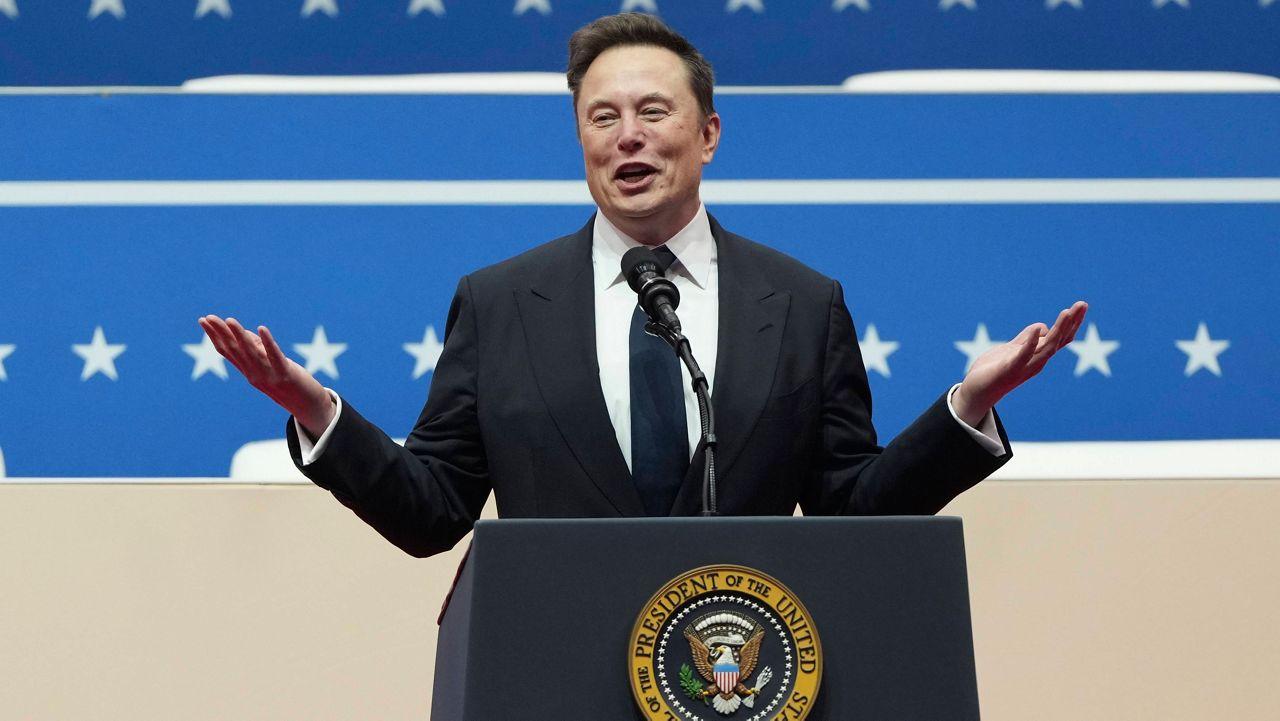
One Year Later, Elon Musk Still Has Questions for USAID
Musk's Probe Into USAID Was Supposed to Settle the Debate. Instead, It Complicated It.

WASHINGTON — A year ago, billionaire Elon Musk spearheaded a dramatic overhaul of America’s foreign aid system like the USAID. He found a common ground with president Donald Trump as they questioned transparency of these organizations but In June 2026, Elon Musk renewed his criticism of USAID after pointing to a U.S. criminal case involving a Syrian national accused of diverting over $9 million in American-funded humanitarian aid to the Al-Nusra Front, an al-Qaeda affiliate.
In response to the case, Musk posted on X that “USAID funding was used for terrorism,” arguing the incident highlighted the need for stricter oversight of foreign aid programs though For decades, USAID had served as America’s primary vehicle for delivering humanitarian assistance, disaster relief, health programs, and development aid across the globe.
The South African-born billionaire and entrepreneur, who built global companies like Tesla, SpaceX, AI, and X formerly known as Twitter, has built his reputation on challenging long-established institutions and demanding measurable results. When he turned his attention to USAID in 2025, Musk argued that Americans deserved proof that taxpayer’s money sent overseas were reaching the children, families, and communities they were intended to help. His criticism was rooted in a business philosophy that values efficiency, transparency, and data driven decision-making.
Those views found a willing partner in President Donald Trump, whose administration moved to dramatically restructure USAID. While supporters praised him for asking difficult questions about government spending, critics argued that his push for sweeping reforms overlooked the human cost of disrupting humanitarian programs.
One year later, Musk remains a symbol of the tension between demanding accountability for public funds and preserving aid systems that millions of vulnerable people rely on. To Trump and Musk, the agency represented something else, a government institution they believed had become bloated, inefficient, and insufficiently accountable to American taxpayers. Their campaign against USAID sparked a political firestorm that continues to shape U.S. foreign policy today.
Elon Musk and President Donald Trump, argue that foreign aid must be transparent in giving proof of where and who the funds GOTO giving accountability to taxpayers. On the other hand, humanitarian groups and aid experts, caution that severe funding cuts could disrupt llife-savingprograms. What is at stake is a challenging balance between eliminating waste and ensuring that millions of vulnerable people continue to receive food, healthcare, and emergency assistance. The outcome could shape not only how U.S. taxpayer money is spent, but also the lives of people who depend on American aid around the globe.
“Public investigations have identified instances of waste management, weaknesses, but they have not produced evidence of widespread fictitious beneficiaries. It's important to distinguish between isolated problems and systematic fraud." Said Dr. Sarah Banette, a Senior Fellow in International Development and Foreign Aid Policy.”
The restructuring of USAID has reignited discussion over how governments should oversee tax-funded foreign aid. For taxpayers, it raises questions about whether public funds are being used efficiently and whether agencies can clearly show results. Policymakers must also balance the need for stronger oversight with the potential effect on humanitarian programs that deliver food, healthcare, and emergency assistance. The main question is whether government agencies can provide transparent, measurable outcomes while still fulfilling critical public service and foreign policy goals.
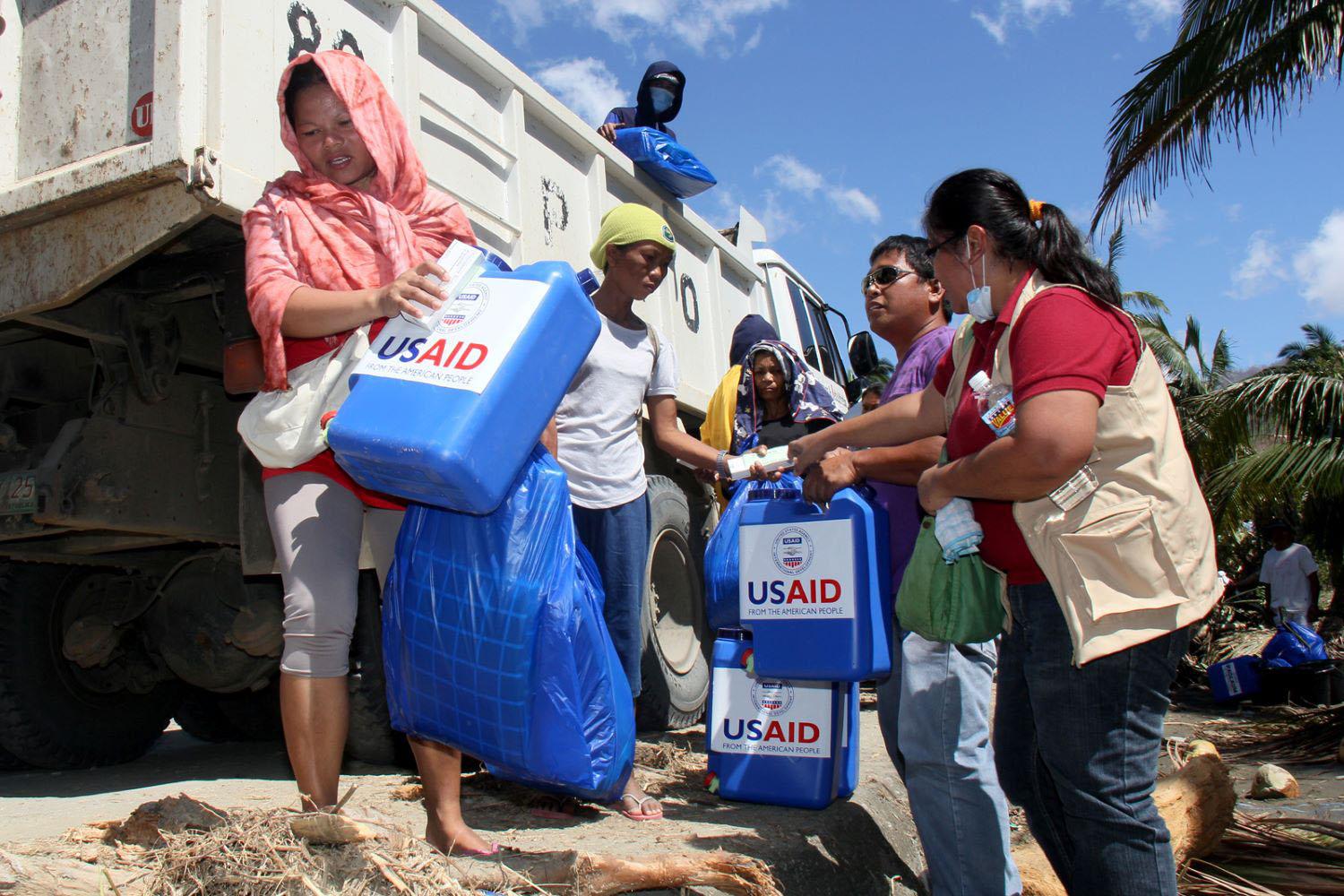

USAID giving out assistance during a relief operation in India on June 9, 2025 at 10:40 AM
The discussion around USAID is moving into a new stage. Elon Musk‘s June 2026 assertion that redirected U.S. aid money ended up backing a terrorist organization has increased demands for tighter oversight and may spark renewed congressional review of foreign aid programs. Federal prosecutors are anticipated to advance the criminal case concerning the alleged misuse of humanitarian funds, while legislators and oversight bodies continue assessing whether further reforms are necessary. As probes and policy assessments progress, the key question persists: can the United States enhance accountability without jeopardizing essential aid for millions of people who rely on it? The result could influence the future of American foreign assistance for years ahead.