Charlie Kirk Case Takes Dramatic Courtroom Turn
The court finds prosecutorial misconduct yet refuses to derail the high profile murder prosecution

SALT LAKE CITY — A judge found evidence of prosecutorial misconduct in the high-profile murder case involving Charlie Kirk but declined to dismiss the prosecution, ruling that the alleged violations did not warrant derailing the proceedings during a court hearing this week.
A packed courtroom fell silent as the judge delivered a ruling that instantly changed the tone of one of the year’s most closely watched murder cases. After weeks of legal arguments, the court concluded that prosecutors had engaged in misconduct during the handling of the case. Yet, in a decision that surprised many observers, the judge stopped short of dismissing the prosecution, allowing the case to continue toward trial.
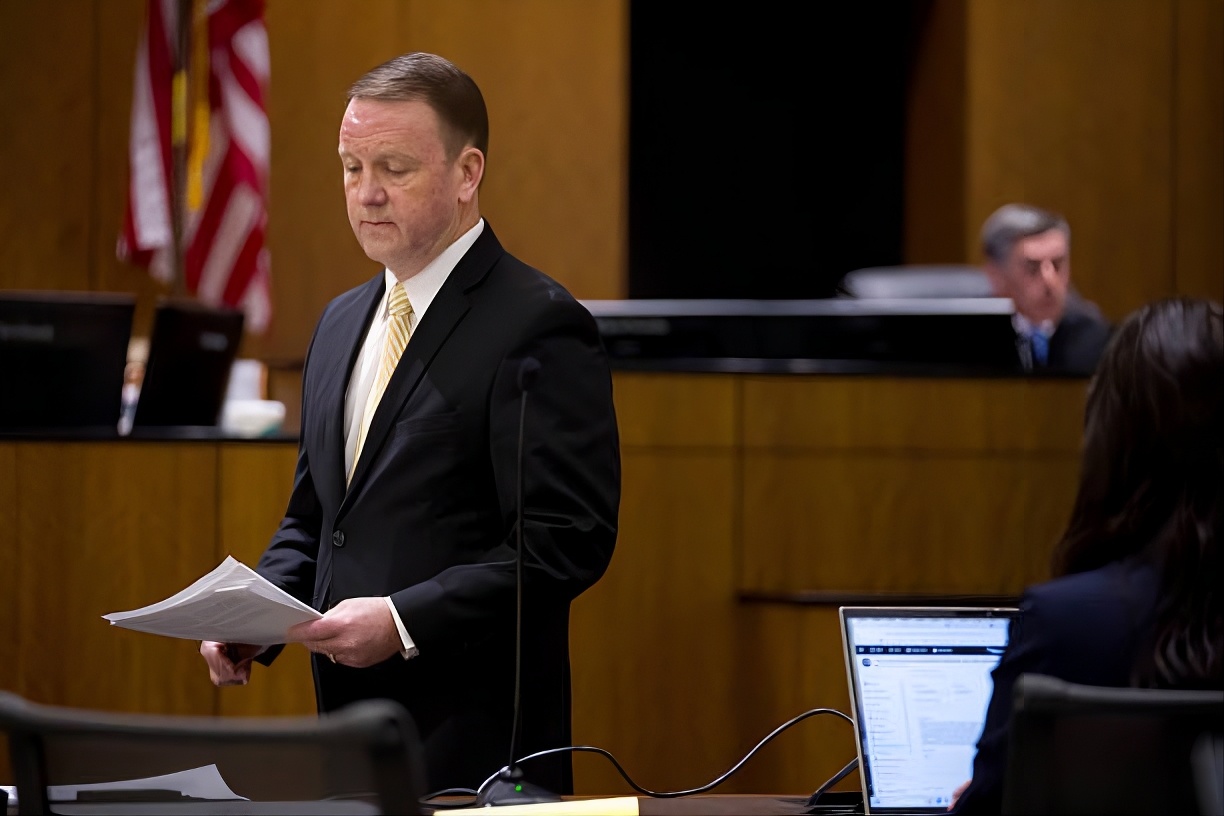

Deputy Utah County Attorney Christopher Ballard leaves the witness stand during a hearing for Tyler Robinson, accused in the fatal shooting of Charlie Kirk in 4th District Court on June 28, 2026 at 7:57 PM. Photo: Francisco Kjolseth/Getty Images
The ruling created a dramatic split outcome. On one hand, the court acknowledged that mistakes had been made by the prosecution, an unusually serious finding that raised questions about how parts of the investigation were managed. On the other hand, the judge determined that the misconduct did not rise to the level required to end the case entirely.
Defense attorneys argued that the prosecution’s actions compromised the fairness of the proceedings and that dismissal was the only appropriate remedy. They maintained that the integrity of the justice system depends on holding prosecutors to the highest standards, especially in a case attracting intense public attention.
Prosecutors countered that although errors occurred, the evidence supporting the murder charge remained intact and that any prejudice could be addressed through judicial safeguards rather than by throwing out the case. The court ultimately agreed, emphasizing that dismissal is considered an extraordinary remedy reserved for situations where no other solution can protect a defendant’s right to a fair trial.
The decision has fueled debate among legal analysts, who note that findings of prosecutorial misconduct do not automatically result in criminal charges being dismissed. Instead, courts often weigh the seriousness of the misconduct against its actual impact on the fairness of the trial before deciding on an appropriate remedy.
With the case still alive, attention now shifts to the next phase of the proceedings. Future hearings are expected to focus on disputed evidence, witness testimony, and whether additional sanctions against the prosecution are warranted.
The courtroom victory claimed by the defense was therefore only partial. While the judge openly criticized the prosecution’s conduct, the central murder case remains on track. As both sides prepare for the battles ahead, the latest ruling ensures that public interest in the proceedings will only continue to grow, with every hearing likely to attract even greater scrutiny.