Venezuela’s twin earthquakes expose deep infrastructure and humanitarian vulnerabilities
Rescue teams race to find survivors as one of Venezuela's deadliest disasters in decades leaves thousands displaced.

LAGUNILLAS, VENEZUELA — Luis Hernández never imagined a regular afternoon would end with his family taking refuge in an emergency shelter. The 42-year-old man from northern Venezuela quickly packed a bag with clothing and family documents and hurried outside with his wife and children as two earthquakes shook their neighborhood on June 24. When the shaking finally stopped, the destruction was widespread. Cracks spread through the walls of their home, and part of the roof had collapsed.
“We don’t know when we’ll be able to go back,” Hernández said from a temporary shelter that is now home to hundreds of displaced people. “Right now, we are just thankful to be alive.”
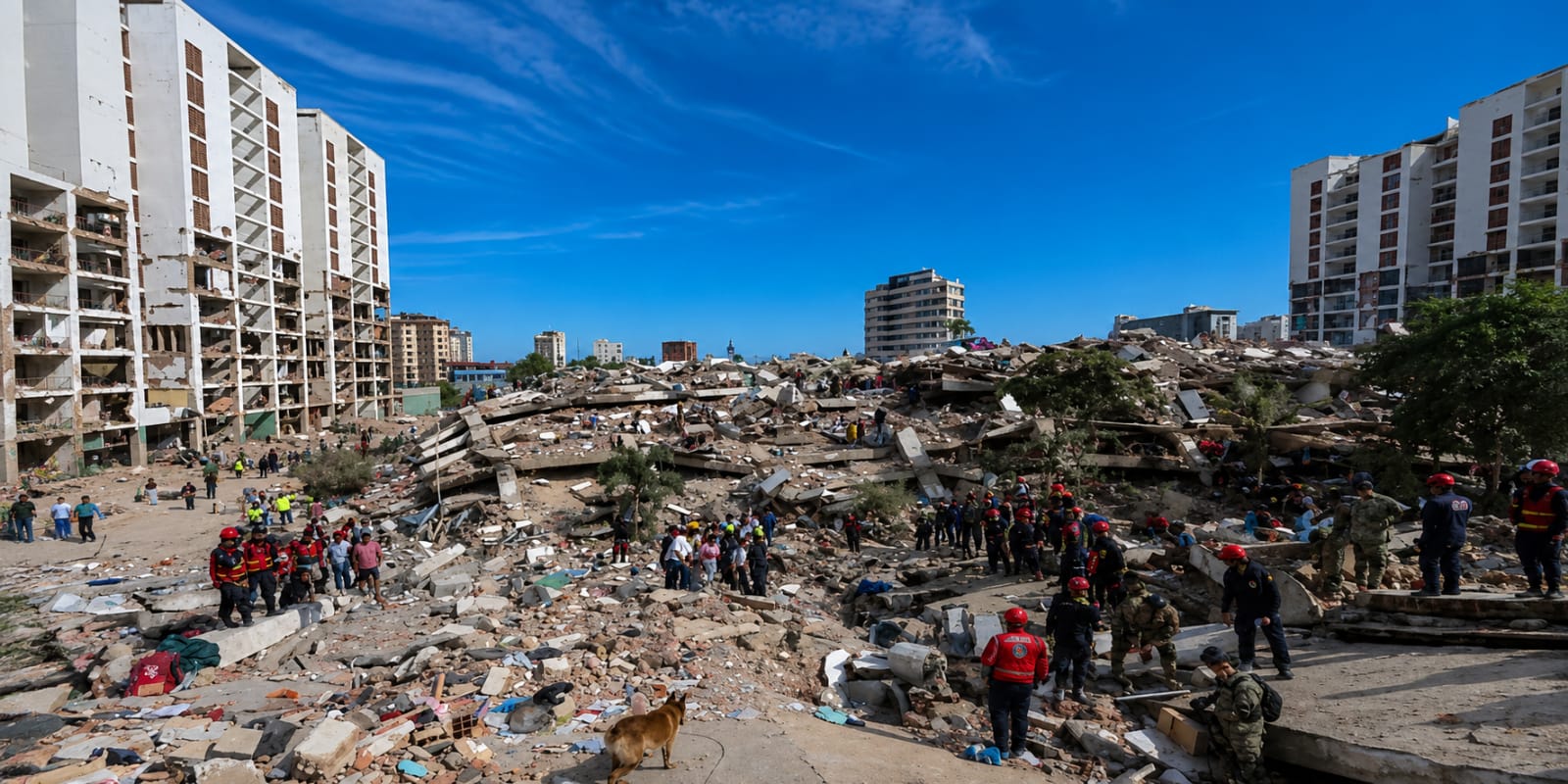
The twin earthquakes hit northern Venezuela, damaging homes, cutting off electricity and communications, and forcing thousands to leave their homes. Emergency teams have been working nonstop to inspect damaged buildings, rescue people trapped inside, and provide food, water, and medical aid to affected areas.
This disaster has highlighted a growing concern among humanitarian experts. Countries that are already dealing with economic challenges and weak infrastructure often find it hardest to prepare for and recover from natural disasters.
Years of economic hardship have placed severe strain on Venezuela’s public infrastructure. Roads, power systems, and health facilities in many regions were already in poor condition before the earthquakes.
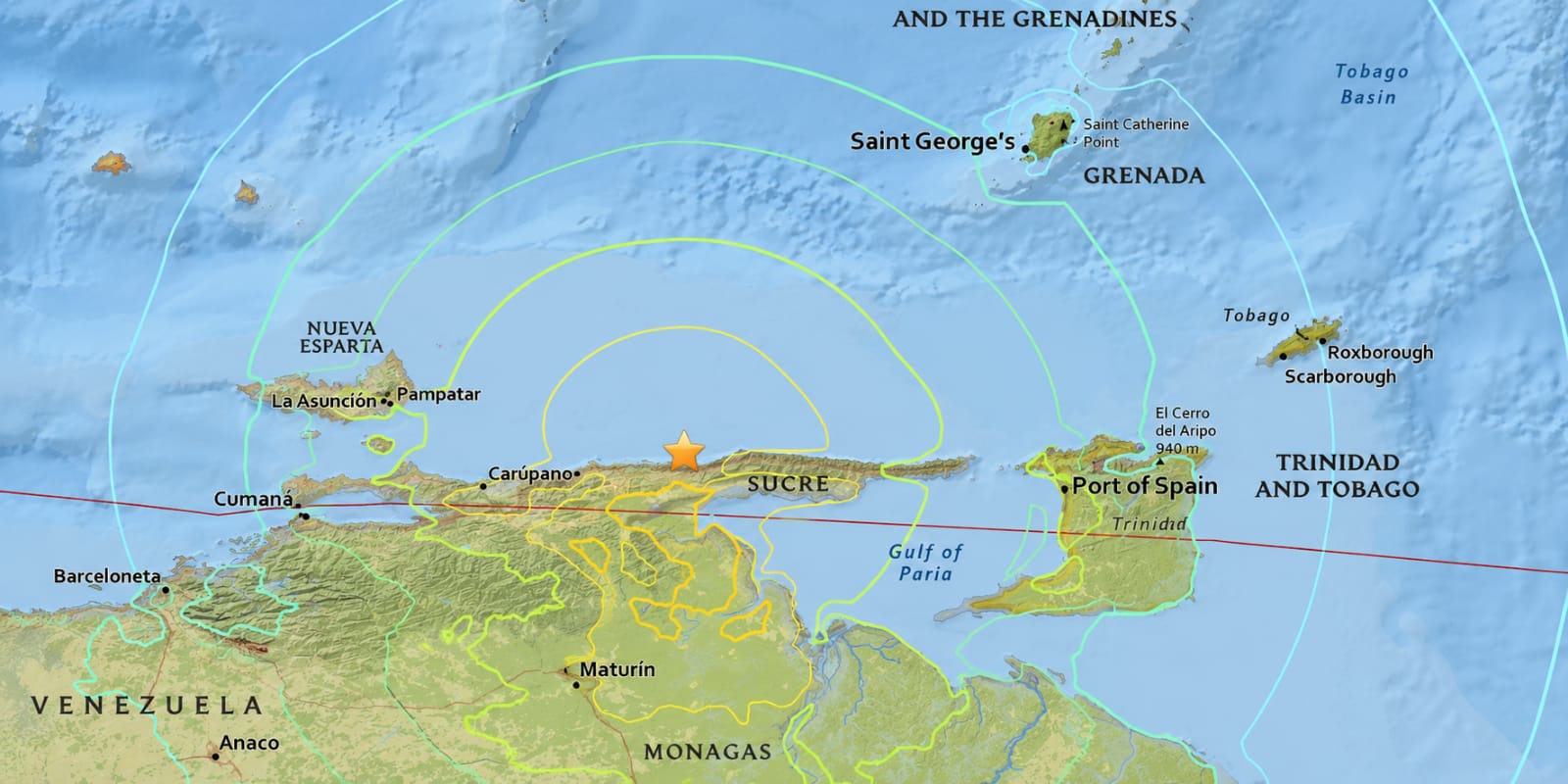

Seismic intensity map Showing effects of earthquake in Venezuela on June 27, 2026 at 2:06 PM. © Zenger News
The latest disaster has made these weaknesses more apparent, making rescue operations more difficult and slowing down the delivery of aid. In some areas, damaged roads delayed emergency teams from reaching isolated residents. Hospitals were overwhelmed as injured people sought care, and power outages made communication even harder. Humanitarian groups say the crisis demonstrates how much more vulnerable people can be in areas with fragile infrastructure and limited resources.
Authorities have increased rescue efforts and set up temporary shelters for displaced families. Emergency workers are also inspecting buildings to determine which are safe to use and which may need to be demolished or repaired.
International aid agencies and neighboring countries have offered support as relief operations continue. Supplies like food, clean water, medicine, and temporary shelter have started arriving in some of the most affected regions.
For residents like Hernández, however, recovery still seems far off. His children have not been able to go back to school, and his family relies on emergency aid for basic needs. Standing outside the shelter where his family now sleeps, Hernández looked back at his damaged neighborhood and wondered what the future holds. His story reflects the uncertainty faced by thousands of Venezuelans whose lives were changed in a matter of seconds. Like many other displaced families, he is worried about how long they will have to stay in temporary housing and whether they will be able to rebuild their lives.
Disaster-risk experts say Venezuela’s experience shows a larger issue facing many countries. As natural disasters continue to affect communities, nations with aging infrastructure and limited financial resources may have a hard time both preparing for emergencies and recovering afterward. The earthquakes have also sparked new calls for more investment in resilient infrastructure, better emergency preparedness systems, and improved disaster response capabilities. For now, the immediate goal is to help affected families find safety and stability.
As rescue and recovery efforts continue, one question remains: will this disaster be a turning point that leads to greater investment in preparedness and infrastructure, or will vulnerable communities remain exposed when the next natural disaster strikes?