US envoy Hochstein faces Hezbollah test as Israel-Lebanon deal nears collapse

BEIRUT — Hezbollah refuses US plan; Israeli-Lebanese deal set to fail.
“This is not a deal, it’s an imposed settlement,” one Lebanese politician – speaking on condition of anonymity – told The National in Washington on June 26. The plan offered an Israeli withdrawal from southern Lebanon in exchange for the disarmament of the Iran-backed group. Hezbollah chief Naim Qassem on Saturday described the deal as “null and void” and “a surrender of Lebanon’s sovereignty.”
A day later, Israeli troops destroyed a 200-meter tunnel system in Majdal Zoun and seized weapons and drone components.
Over 4,250 people have been killed in Lebanon in cross-border clashes since early March, according to the Lebanese Ministry of Health. The cross-border exchanges between Hezbollah and Israel started on March 2, and on March 4, Israel invaded Lebanon, launching airstrikes throughout the country. US envoy Amos Hochstein led five rounds of shuttle negotiations in Beirut and Tel Aviv in a bid to hammer out a compromise. “A diplomatic solution is the only way to end the current hostilities,” said Hochstein.
Israeli negotiators are requesting assurances from Beirut that Hezbollah will not stockpile weapons on the border.
The United States, moreover, appears reluctant to commit to any demilitarized zone between the two nations for fear that such a buffer could trigger a wider war. The core demands of the deal – a cessation of attacks from Hezbollah in return for total disarmament of the party – are ultimately unattainable, according to analysts. “This agreement has put all the burden on Lebanon,” Michael Young the editor of the blog Beirut Report wrote.
“It creates a structure that allows the Israelis to remain indefinitely.”A professor of Middle East studies at George Washington University Fawaz Georges described the deal as “born dead.” The Lebanese army “is not able to enforce the disarmament of the most powerful armed actor within its borders,” said George.
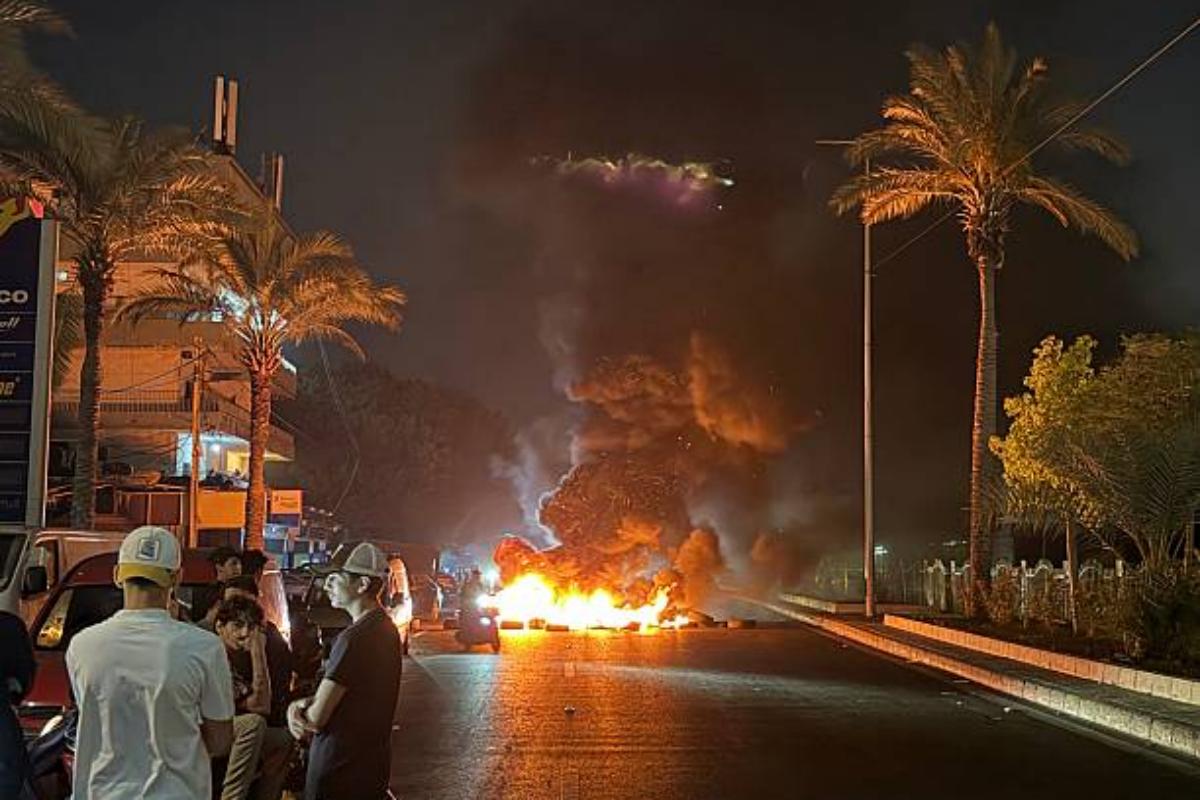

Hezbollah supporters block the old airport road in the southern Beirut,with burning tires to protest against the trilateral agreement that was signed between the US. Israel and Lebanon in Beirut, Lebanon on June 27, 2026 at 5:16 PM. Photo: Ibrahim Amro/AFP via Getty Images
Indeed, the system that emerged in Lebanon after the civil war was one of power-sharing, not coercion.
Hezbollah’s decision to spurn the deal, however, appears to have united a splintered political scene. Parliamentary speaker Nabih Berri likewise blasted the proposal as “unbalanced,” and a vast majority of political parties refused to back it. In addition, there is no timeline outlined in the Security Annex, an accompanying document specifying Israel’s withdrawal plans, and the pullout itself is contingent upon the Lebanese army disarming the group and enforcing law and order. The Israelis insist they will not pull back their troops until Hezbollah has been completely disarmed.
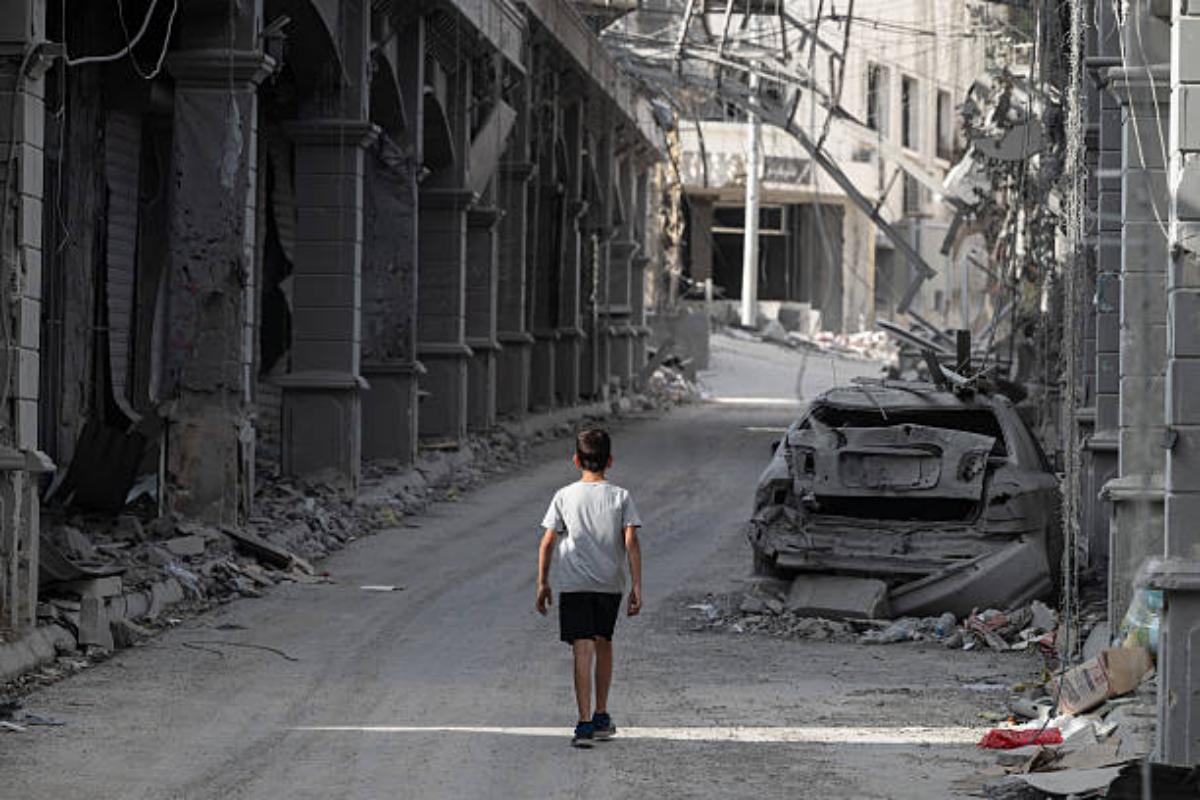
For more than a million Lebanese displaced from their homes, the deal’s collapse signifies an endless limbo and a prolonged inability to return to shattered villages.
The fighting has levelled 30 border villages and rendered an estimated 1.2 million people displaced. Israeli authorities state that approximately 80,000 residents of northern communities still cannot return home. Hochstein is expected to head back to the region “in the coming days”, according to diplomatic sources.
Hezbollah vows to continue fighting until “the occupation is removed”, whereas Israeli leaders are unlikely to retreat from their security demands.