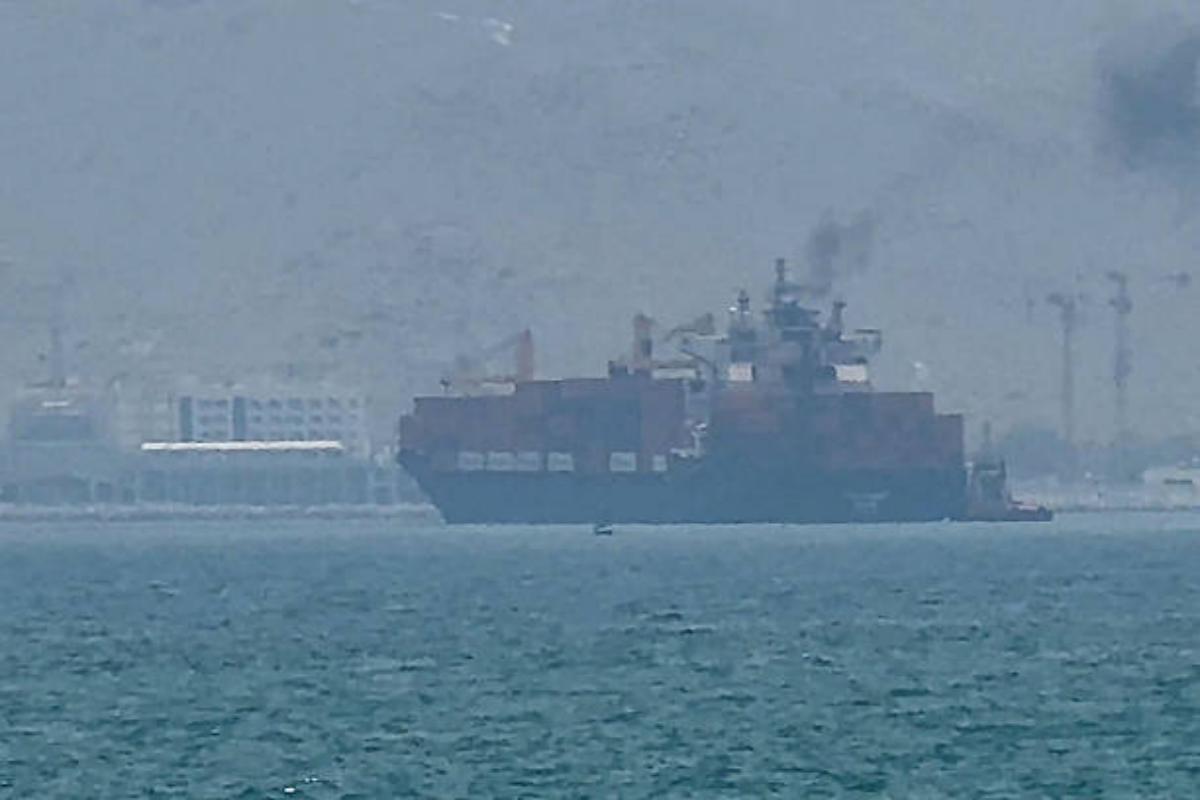
Vessels turn back from strait as four ships cease transmitting near Iran
Strait of Hormuz shipping stalls as tankers alter course and disable transponders amid rising tensions.

DUBAI, UNITED ARAB EMIRATES — Ships in the Strait of Hormuz passed with transponders turned off on Sunday, with traffic falling drastically amid US-Iran strikes.
According to satellite images, observed crossings fell significantly, with several tankers moving into “dark mode” or conducting ship-to-ship transfers outside the strait, with the Qatar Transport Ministry banning all maritime activity, the first such restriction by a Gulf state since the start of the conflict in late February after Iran struck a Cypriot-flagged container ship, which prompted retaliatory strikes with the United States.
“Some ships are slipping in and out,” a shipping official said on Monday.
Two vessels were stopped overnight by Iran’s Islamic Revolutionary Guard Corps [IRGC] after the IRGC Navy turned off their tracking systems. On Sunday, a container ship was hit by an unknown projectile, causing fire damage, according to the Joint Maritime Information Center (JMIC) of the US-led coalition. Iran has attacked multiple vessels in recent days, with no crossings detected along the strait’s southern corridor on the Omani coast since the beginning of the week. Only a handful of passages were recorded along the northern route identified by Iran until Saturday.
“Any prolonged closure due to renewed escalation will leave the world in a far worse situation,” wrote shipbroker Gibson (E.A. Gibson Shipbrokers Ltd) in a report. “Global inventories are drawn down, and this is a recipe for tighter supply, higher prices, and downside risk.”
Captain John Konrad, a former US Merchant Marine captain and founder of gCaptain, who tracked ships from his office in the United States, noted this trend was reminiscent of the darkest days of the conflict, when commercial vessels frequently turned off their automatic identification systems (AIS) to avoid being seen by Iranian forces.
“Disabling your AIS is like turning into a ghost,” Konrad said. “You’re completely invisible to other vessels, to the Coast Guard, to everyone. In a crowded strait, with narrow shipping lanes, you are navigating completely blind, using nothing but your radar and your lookouts. It’s a sign that the risk is high and that the captains believe the risk is higher than not going through.”
Commercial traffic was still moving, but at reduced levels and with extreme caution. An Iranian foreign ministry spokesman said on Monday that ships travelling the US-supported route were at risk, while President Donald Trump stated that the strait remained open for commercial vessels. While the United States demanded Iran declare it would stop attacks and keep all shipping lanes open, Tehran has indicated that the strait would remain closed indefinitely following the strike on a ship following an unapproved route.
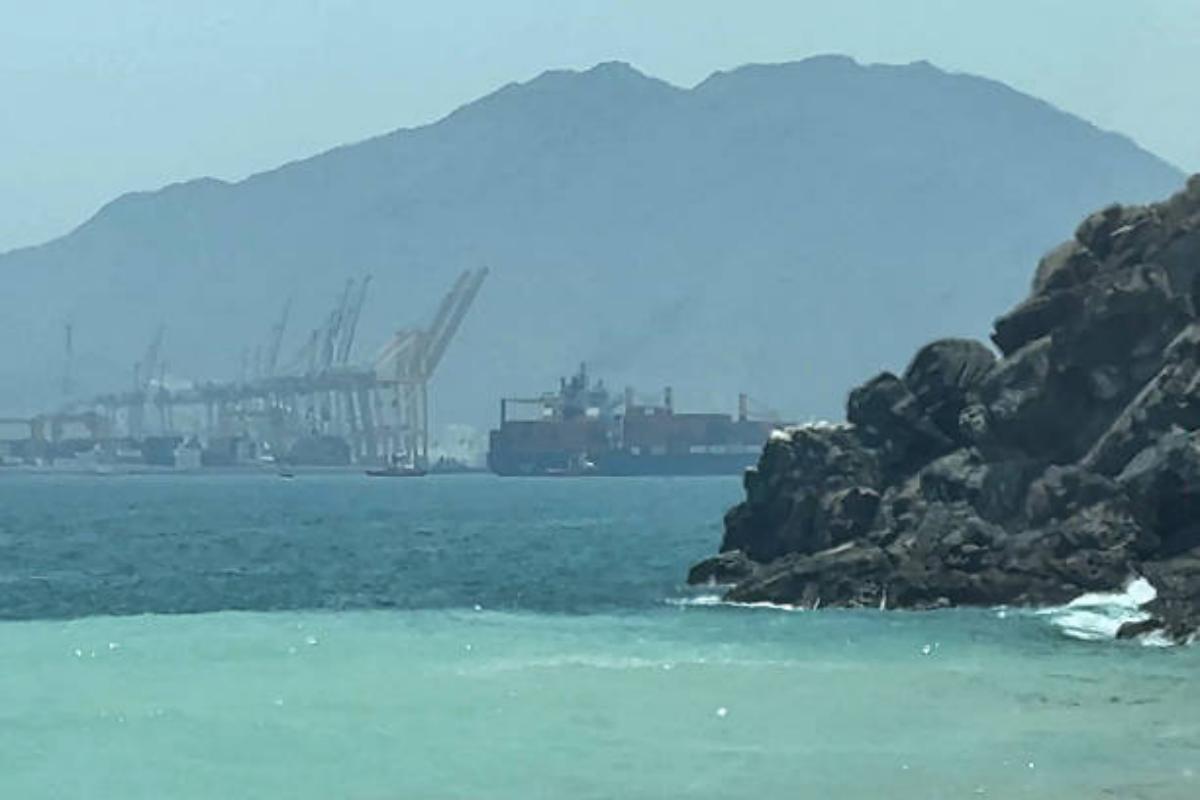

A frame grab showing a ship sailing near the Strait of Hormuz off the eastern coast of the United Arab Emirates at Khor Fakkan in Tehran on July 12 2026. Photo: AFPTV/AFP via Getty Images.
The strait, previously a major route for international oil transport before the war, has experienced ongoing disruption since February. During the summer, an informal arrangement with the US Navy saw some tankers turn off their transponders to move through the strait and enable additional oil to reach the market. This tentative agreement has now apparently broken down.
“This is shaping up as a managed conflict now, not unlike what we see from the Houthis in the Red Sea,” said a shipping official, referring to the Yemeni militia that has brought the Red Sea to a standstill for almost two years. “What makes this different is that there’s so much more energy at stake here given the volume that goes through this chokepoint.”
Konrad said the return to dark crossings signals a dangerous escalation with the potential for significant consequences for energy supplies and shipping insurance costs.
“When captains turn off their AIS in large numbers, you know something bad is happening,” Konrad said. “These are guys with mortgages and kids and years in this profession. When they calculate survival and see that going dark is safer than being visible, it shows you the degree of risk in that waterway.”
As of Monday morning, maritime intelligence firm data indicated no vessels were transiting the Strait of Hormuz via AIS signals; the ships seen on Sunday crossed unobserved. It is uncertain whether more vessels will attempt the crossing in the coming days, with Qatar’s liquefied natural gas (LNG) exports suspended and global oil inventories low; the pressure to navigate the strait will continue.
The world, yet again, faces the familiar and unnerving question: How can we ensure the continued operation of a critical trade artery without sparking a broader conflict?