Trump Posts Image of Graffiti, Labels It Vandalism
Trump shares a photo of white spray-paint on a concrete wall with the caption “Vandalism RIP,” offering no location or details about the markings.

WASHINGTON D.C. — Donald Trump posted an image of graffiti on a concrete wall and labeled it vandalism, without naming a location or explaining the scene.
The photograph showed white spray-painted markings on a low concrete barrier at the base of a textured aggregate wall, including an arrow and the letters “RIP.” The image carried the word “Vandalism” in bold lettering across the top. Trump gave no address, landmark, or date to identify where the markings appeared.
Here is the full post on truthsocial: “Vandalism RIP.” on August 7, 2026 at 10:15 PM ET.
This is Trump’s 14th message released today, and the last post was 11 minutes earlier, and it is not part of a thread. On average, Trump produces 18 posts per day since his inauguration on January 20, 2025. The move fits a broader pattern in Trump’s recent messaging, with 11 of his 470 posts over the last 30 days classified as crime posts.
The post offered no specific details about the alleged vandalism or its location according to truthsocial. The caption paired the word “RIP,” which appears in the spray paint, with the header labeling the scene as vandalism. The image showed no street signs, addresses, or identifiable markers.
Graffiti and property damage sit at the center of a long-running debate over urban crime enforcement. Business owners, city cleanup crews, and taxpayers carry the cost of removing markings and repairing surfaces. Residents of neighborhoods with visible graffiti often cite it as a signal of disorder, while artists and free-expression advocates draw a line between tagging and public art.
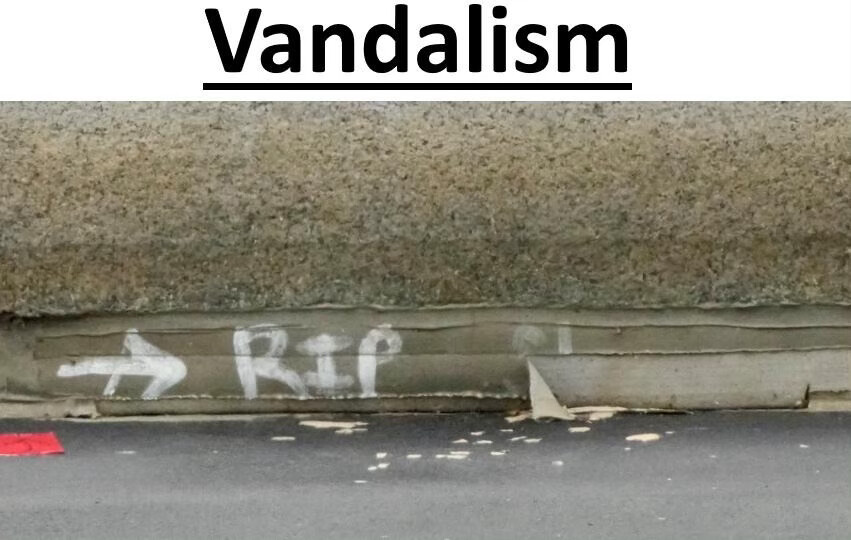

President Donald J. Trump posted an image of graffiti on a concrete wall at an undisclosed location on 08/07/2026.
© copyright Zenger.News
The image itself carries no data that would place it in any city, and the post did not supply a claim tying it to a policy dispute. That absence leaves readers unable to verify what property was marked or when. A general audience gains little practical guidance from the post beyond its framing of graffiti as a crime.
Trump has raised the theme of urban crime before. His social feed over the past month reflects steady attention to the subject, with a small share of his output classified under crime. The post continues that pattern without adding verifiable facts.
No public official, prosecutor, or agency has emerged as the next decision-maker on the scene shown in the image, and a date for any action remains unannounced. The post stands as a message rather than a report of an investigation.
Graffiti has drawn official crackdowns in American cities for decades, as happened before. New York City launched a sweeping anti-graffiti campaign in the 1980s, scrubbing subway cars and enforcing a “clean car” program that pulled marked trains from service until crews repainted them. The Metropolitan Transportation Authority declared its subway fleet graffiti-free in 1989 after a five-year effort. City leaders credited the campaign with reshaping public perception of the transit system, and later administrations pointed to it as a model for tackling visible disorder.
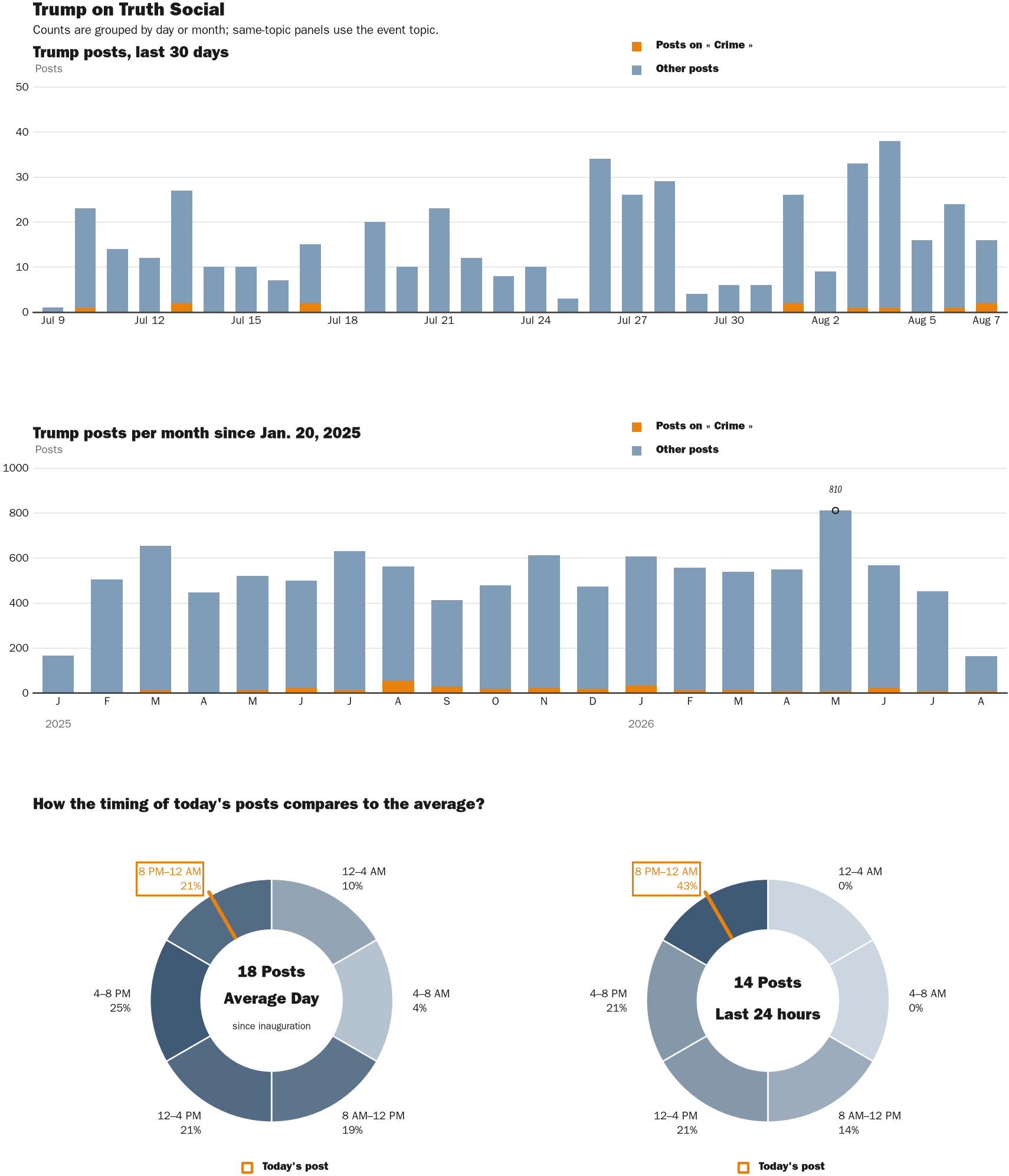
NewsFindr Chart Maker
Photo by Zenger real-time database of all Truth Social posts.
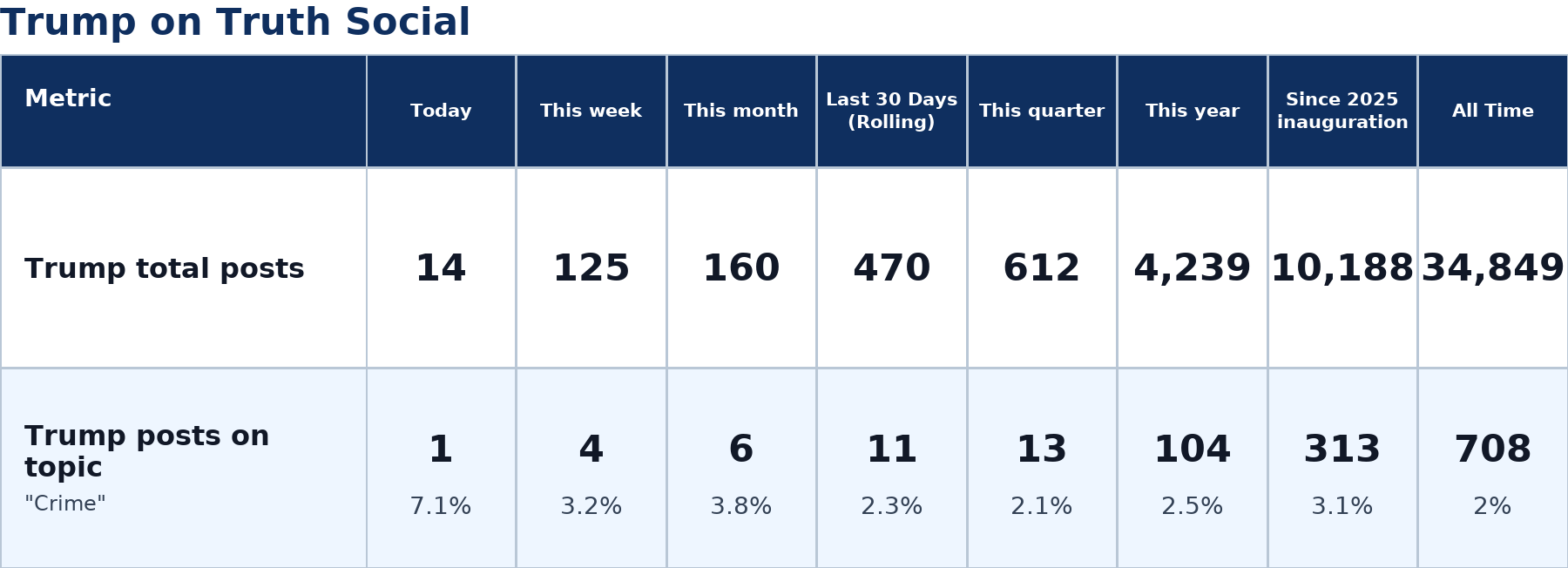
Zenger analysis
Photo by Zenger analysis