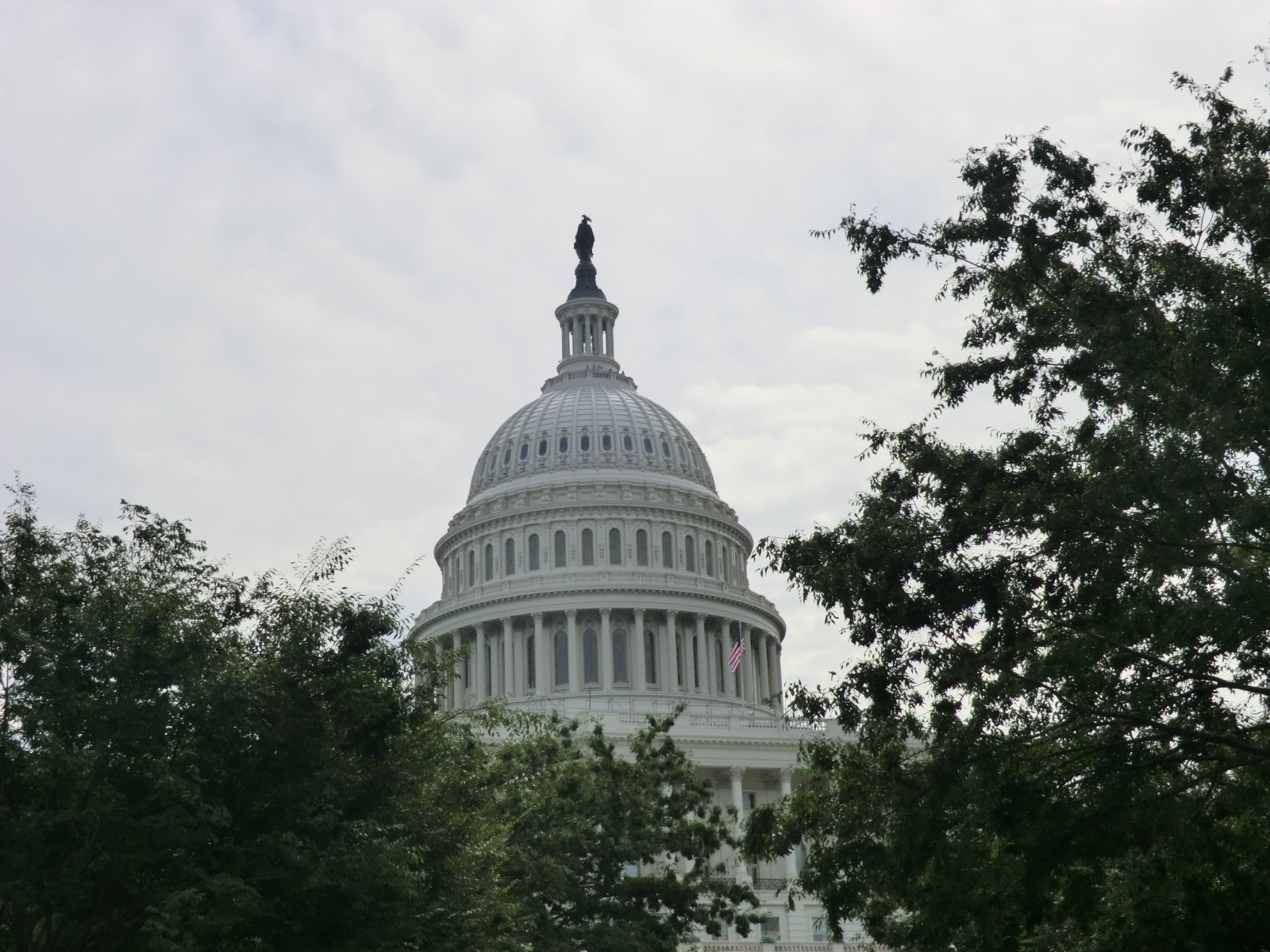
Trump Cites Declassified Files to Challenge 2020 Election Security Claim
Trump points to newly declassified documents on the Maricopa County breach and Chinese access to voter files to press Congress for the SAVE America Act.

WASHINGTON D.C. — Donald Trump said newly declassified documents undermine the claim that the 2020 election was the “most secure” in U.S. history.
The president pointed to files released this summer by the White House showing that federal agencies tracked breaches of voter data and internal warnings about foreign interference, according to justthenews.com. None of the released evidence shows manipulated votes or widespread fraud, according to justthenews.com.
Here is the full post on truthsocial: “New evidence further undermines claim that 2020 election was “most secure” in history: https://justthenews.com/politics-policy/elections/new-evidence-further-undermines-claim-2020-election-was-most-secure” on August 8, 2026 at 3:50 PM ET.
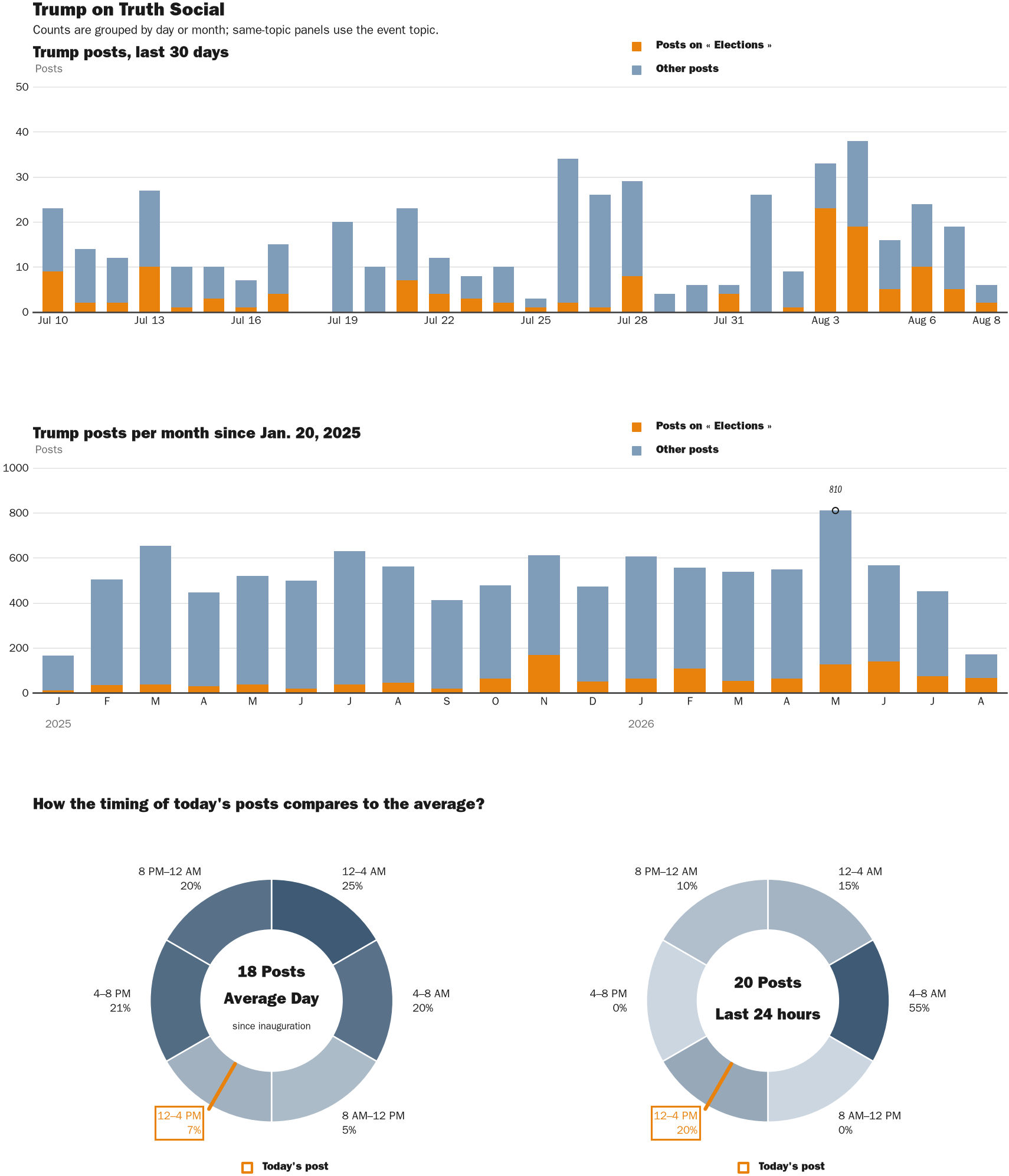
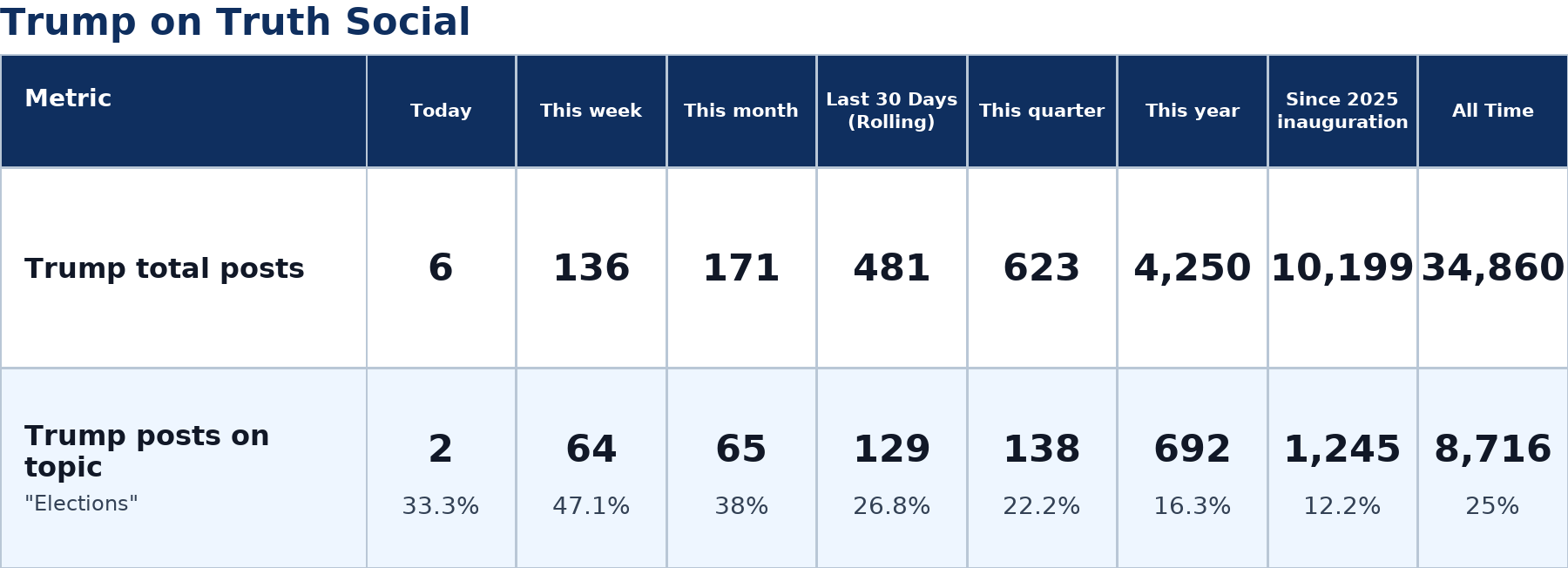
This is Trump’s 6th message released today, and the last post was 2 hours ago, and it is not part of a thread. On average, Trump produces 18 posts per day since his inauguration on January 20, 2025. The move fits a broader pattern in Trump’s recent messaging, with 129 of his 481 posts over the last 30 days classified as Elections posts.
Trump linked to the Just the News report by mentioning the source (see justthenews). The article, published August 6, 2026, reported that FBI investigated a breach of voter registration data in Arizona’s largest county in the days before the 2020 vote. A self-described hacker obtained 633,000 voter registration files, and the Biden Justice Department and local prosecutors declined to bring charges even after the FBI secured a confession, according to justthenews.com.
The scraping of Maricopa County’s voter registration files topped a cyberintrusion log kept by U.S. spy agencies around the November 3, 2020, election, according to justthenews.com. The FBI case files described 930 records with sensitive information tied to domestic violence victims, judges and law enforcement officers, according to justthenews.com. Intelligence officials monitored the breach while voting was still under way.
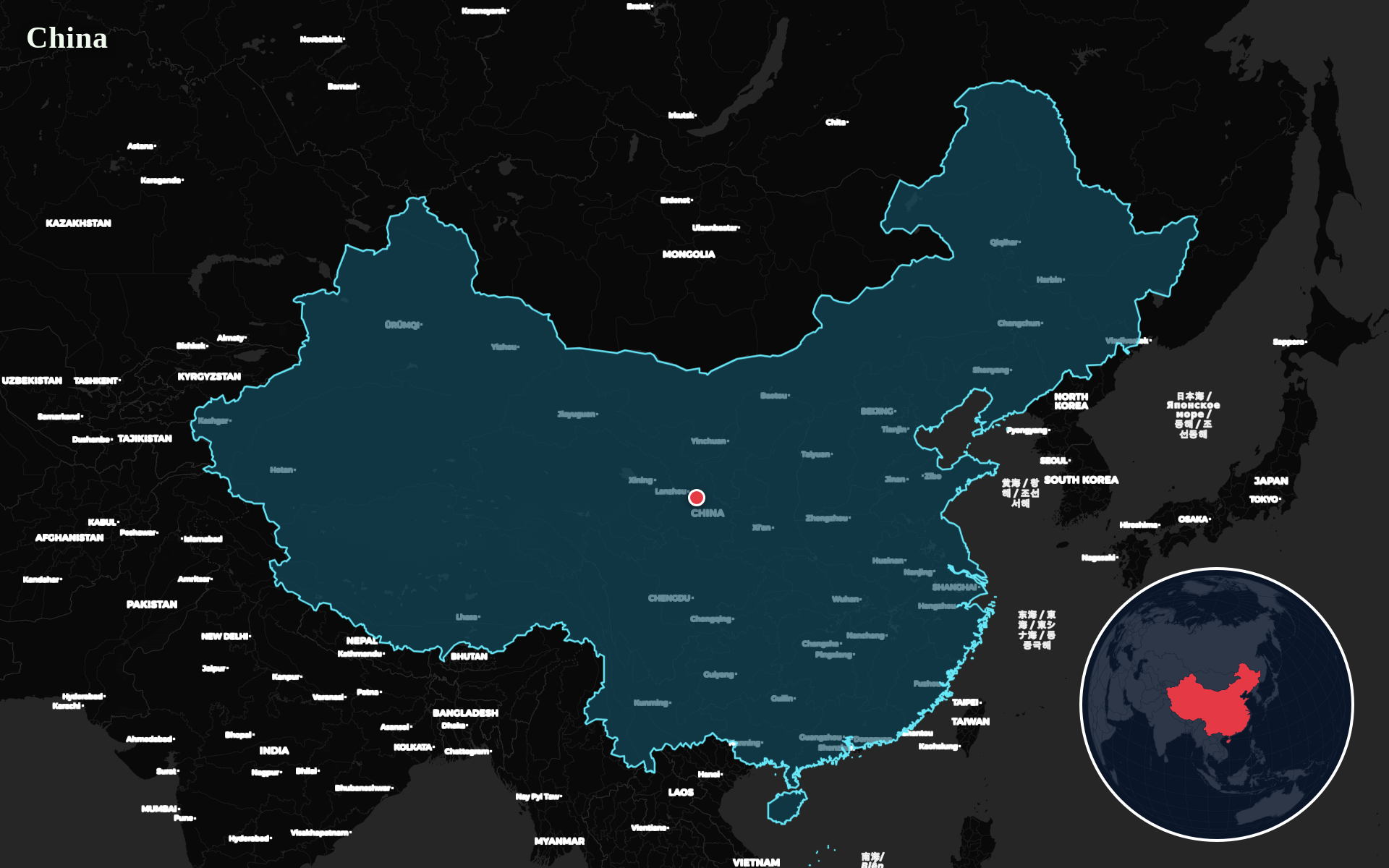
The documents also describe a broader foreign threat. Starting in 2020, the Intelligence Community detected efforts by China to obtain voter registration data, and by 2023 concluded that Beijing had obtained 220 million individual voter files with names, addresses, phone numbers and party preferences, according to justthenews.com. Spy agency chiefs said this month in a joint statement that China’s targeting of those files likely meets the definition of election interference, according to justthenews.com.
The stakes fall along familiar lines. Trump has used the evidence to argue for Congress to pass the SAVE America Act, which would require proof of citizenship to vote in federal elections, according to justthenews.com. Supporters of tighter rules gain a fresh argument, while critics who defended the 2020 result face renewed pressure over official assurances of security.
Chris Krebs, the then-director of the Cybersecurity and Infrastructure Security Agency, told the Senate after the 2020 election that he approved an assessment calling it the most secure in U.S. history, according to justthenews.com. The new files, released in batches by the White House, show officials also held internal concerns about breaches and the vulnerability of electronic voting machines, according to whitehouse.gov.
For the average reader, the dispute touches the security of personal data held in state voter rolls. The files at issue included addresses, phone numbers and party registration for millions of Americans, information that bad actors can exploit regardless of whether any vote changed, according to justthenews.com.
This has happened before. Foreign probing of U.S. election systems drew scrutiny after 2016, when officials confirmed attempts to access state voter databases, according to csis.org. The latest disclosures extend that record with named counties and specific file counts, according to justthenews.com.
Congress is the next decision-maker on the SAVE America Act, which would need floor votes in both chambers before reaching the president’s desk. A date for a vote has not been announced.
Election-security fights have shadowed American presidents before, as happened after contested results reshaped the office. The 1876 race between Rutherford B. Hayes and Samuel Tilden ended without a clear winner, sending disputed returns from Florida, Louisiana and South Carolina to a 15-member Electoral Commission. The panel awarded all 20 contested electoral votes to Hayes by a single vote, 185 to 184, and he took office in March 1877 amid claims of a corrupt bargain. Hayes governed under a cloud that limited him to one term, a reminder that disputes over how votes are counted can define a presidency long after the ballots are cast.

NewsFindr Chart Maker
Photo by Zenger real-time database of all Truth Social posts.
Zenger analysis
Photo by Zenger analysis
Protomaps / Natural Earth – China
Photo by Protomaps / Natural Earth – China