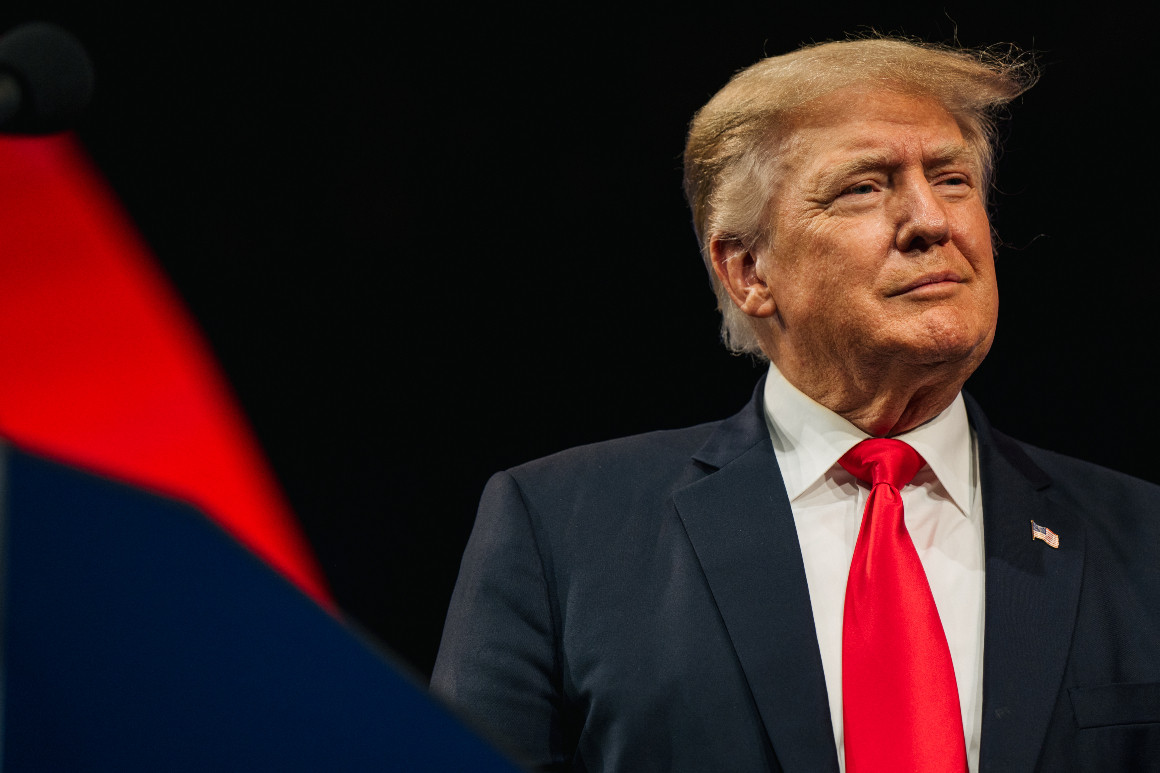
U.S President Trump Set to Meet NATO Chief Rutte as Alliance Faces Mounting Strains
Trump–Rutte talks loom as NATO faces deepening divisions over security and strategy
Trump–Rutte talks loom as NATO faces deepening divisions over security and strategy

NAIROBI, KENYA — A high-stakes meeting between U.S. President Donald Trump and NATO Secretary General Mark Rutte has brought long-simmering tensions within the alliance into sharp focus, raising fresh questions about its unity and future direction.
The talks came at a moment of heightened global uncertainty, with ongoing military operations in the Middle East exposing deep divisions among NATO members. Washington has grown increasingly frustrated with what it sees as a lack of meaningful support from several European allies.
While the United States pushed forward with its campaign, some countries chose not to participate directly, and others limited their involvement, reflecting a mix of political caution and strategic hesitation. This uneven response has strained the sense of collective responsibility that has long defined the alliance.
President Trump used the moment to renew its criticism of NATO, arguing that the United States continues to shoulder a disproportionate share of the defense burden. His stance has reignited a familiar but now more urgent debate over military spending and commitments within the alliance.
Although there has been no formal shift in U.S. membership, the rhetoric surrounding the meeting has unsettled all, many of whom are increasingly concerned about the reliability of American leadership.
For his part, Mark Rutte has sought to ease tensions while acknowledging the seriousness of the situation. Stepping into his role at a time of mounting pressure, he has worked to maintain a delicate balance between addressing U.S concerns and preserving unity among member states.
He has pointed to ongoing efforts by European countries to boost defence spending and strengthen military readiness, signaling that the message from Washington is being taken seriously even as disagreements persist.
At the same time, broader changes in U.S military strategy are adding to the uncertainty. Adjustments to troop deployments in Europe, including potential reductions and repositioning, have raised concerns about the long-term direction of American commitment to the region.
These developments are prompting European nations to accelerate efforts towards greater self-reliance in defence, a shift that could reshape the balance within NATO.
The meeting between Trump and Rutte reflects more than a single dispute, highlighting a deeper transformation underway within the alliance. As NATO confronts evolving security challenges and internal divisions, its ability to adapt while maintaining cohesion is being tested.
The outcome of this moment will likely influence not only the future of the alliance but also the broader landscape of international security.