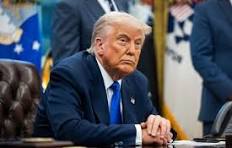
Trump Hardens Stance As Iran Deal Faces New Uncertainty
Revised demands on nuclear controls and regional security raise new doubts over a potential agreement.
Revised demands on nuclear controls and regional security raise new doubts over a potential agreement.

Revised demands on nuclear controls and regional security raise new doubts over a potential agreement.
NAIROBI, KENYA — Efforts to secure a peace agreement between the United States and Iran have entered a more uncertain phase after President Donald Trump demanded significant changes to a draft deal that had been nearing completion.
According to officials familiar with the negotiations, the president has sent the proposed framework back for revision, signaling dissatisfaction with key provisions. The move introduces fresh complications into talks that were already delicate, following months of military confrontation and fragile ceasefire arrangements.
At the center of Trump’s demands is a push for stricter guarantees on Iran’s nuclear program. U.S. negotiators are now seeking clearer commitments on how Tehran would reduce or eliminate its stockpile of enriched uranium, as well as stronger verification measures to ensure long-term compliance.
The revised proposal also places renewed emphasis on the strategic Strait of Hormuz, a vital global shipping route. United States insists that the waterway remain fully open to international traffic, rejecting any suggestion of restrictions or control that could disrupt global energy supplies.
Despite the tougher tone, the White House continues to frame the negotiations as ongoing rather than collapsing. Trump has indicated that a deal remains within reach, even as tensions between the two sides persist and recent military exchanges underscore the fragility of the situation.
Behind the scenes, the strategy appears to combine pressure with diplomacy. By raising the bar on key issues, the administration is attempting to secure broader concessions while maintaining the possibility of an agreement. However, the changes risk widening the gap between U.S and Tehran, where officials have already signaled resistance to some of the proposed terms.
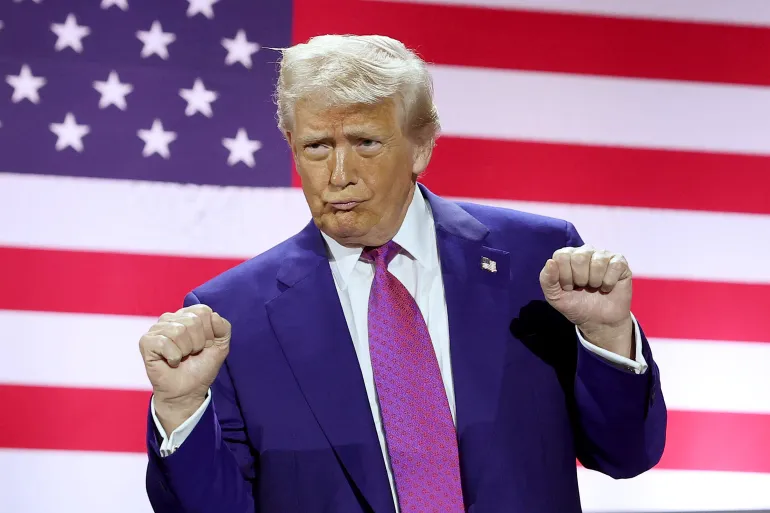

US President gestures on stage on May 15,2025 in Qatar.
The developments come at a critical moment, with economic and geopolitical stakes rising. Disruptions linked to the conflict, particularly around oil supply routes have already begun to influence global markets, adding urgency to the negotiations.
“"I think they want to make a deal. I really do. They understand the pressure they are they are under. Whether they agree for to everything, well, we'll see. But we are in a strong position, and we are going we are not going to settle for less than what keeps people safe," said the president in an interview.”
For now, the fate of the deal remains unclear. While both sides continue to signal openness to diplomacy, the latest revisions highlight just how far apart they remain on the issues that matter most.