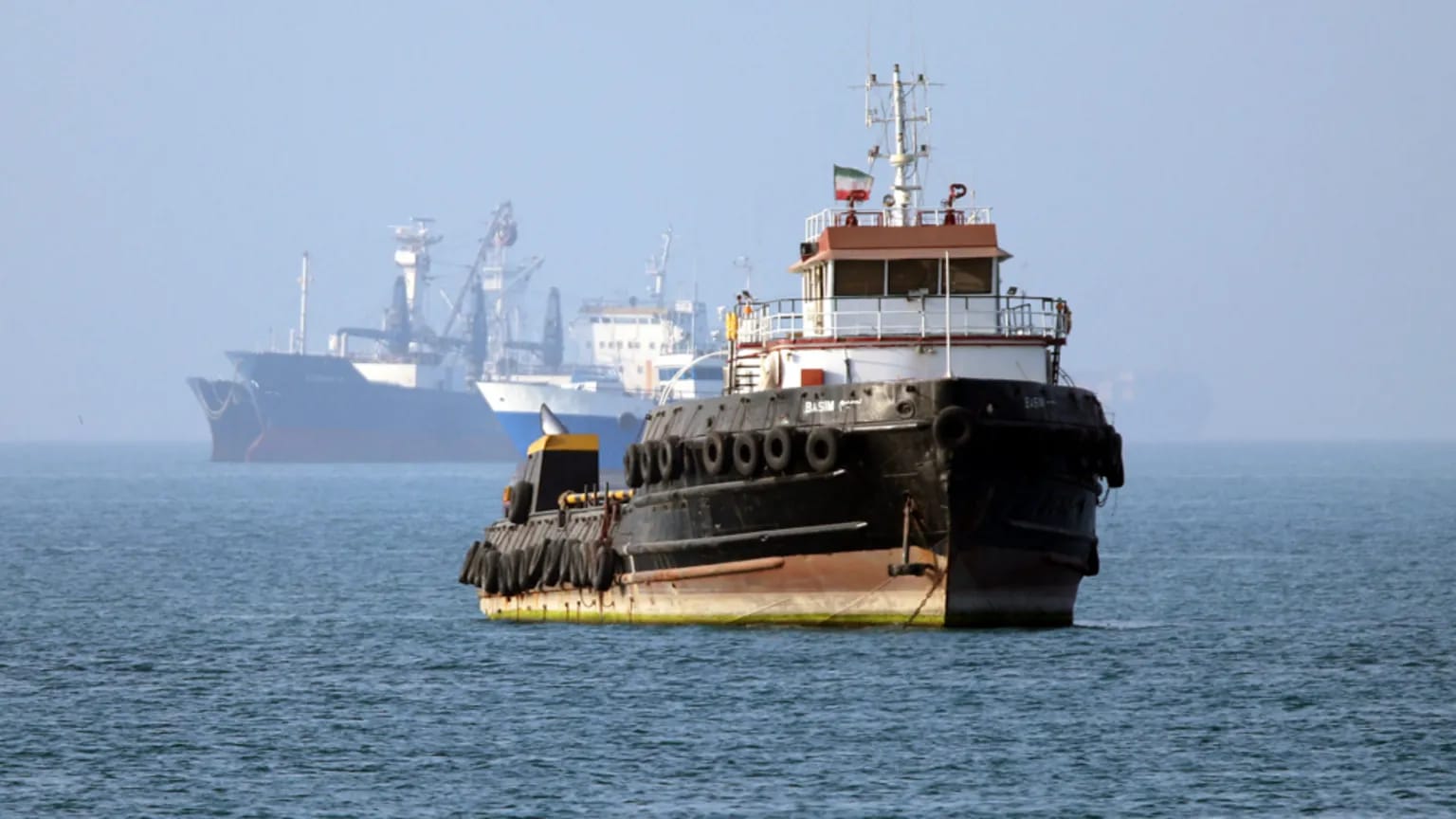
Oil Surges to Highest Since 2022 Amid Iran War Fears
Brent crude spikes above $126 as reports of potential US strikes and Strait of Hormuz disruption shake global markets
Brent crude spikes above $126 as reports of potential US strikes and Strait of Hormuz disruption shake global markets

NEW YORK — Global oil prices climbed to their highest point since 2022 after fears of a wider Iran-U.S. conflict rattled financial markets, with traders reacting sharply to renewed military threats from president Trump and escalating tensions around the Strait of Hormuz the narrow passage through which 20% of the world’s oil flows
Even the fear of possible conflict between Iran and the United States is enough to create uncertainty in energy markets and affect economies worldwide.
The price spike, triggered by reports of possible U.S. strikes or blockades, reflected not just immediate supply fears but deeper anxieties rooted in years of deteriorating U.S.-Iran relations over sanctions, nuclear ambitions, and regional influence. As President Trump framed his firm stance as a matter of national security and global energy stability, investors parsed his warnings as potential signals of military or economic action.
Analysts noted that markets were bracing for possible disruptions to oil transportation routes, a concern that last sent prices soaring during the 2022 energy crisis following Russia’s invasion of Ukraine. The tipping point came with reports of military activity near key Gulf shipping lanes, sparking panic buying and driving crude futures sharply higher from New York to London.
“"Diversification is key. Investing in renewable energy, expanding LNG infrastructure, and improving energy efficiency can reduce dependence on volatile oil markets. In the short term, diplomacy remains the most effective tool to calm fears."”
– Dr. Elena Voss
The ripple effects are already expected to hit consumers worldwide through higher fuel costs, transportation, food prices, and inflation, pressuring governments to consider subsidies, tax adjustments, or strategic reserve interventions especially in developing economies heavily dependent on imports.
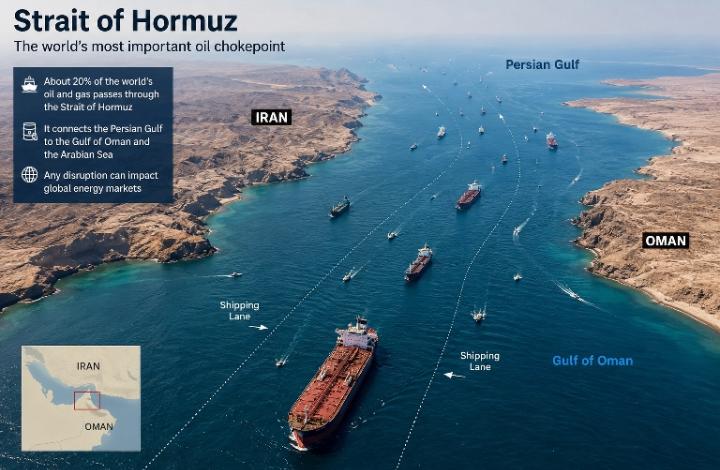

While diplomatic efforts could still calm the crisis, the situation remains unresolved, and any further escalation would likely push oil prices even higher, deepening economic strain globally. As one expert put it, “Even the fear of possible conflict between Iran and the United States is enough to create uncertainty in energy markets and affect economies worldwide.” And as uncertainty grows around the Strait of Hormuz, one thing remains clear: in today’s interconnected world, conflict in one region can quickly become a global concern.
As tensions continue to unfold, the world is once again being reminded that oil is more than a commodity it is power, leverage, and influence. What happens next in the Gulf may not only determine the direction of global energy markets, but also shape the next chapter of international diplomacy and security. For now, investors, governments, and ordinary citizens alike remain caught in the uncertainty of a conflict whose consequences could stretch far beyond the battlefield.