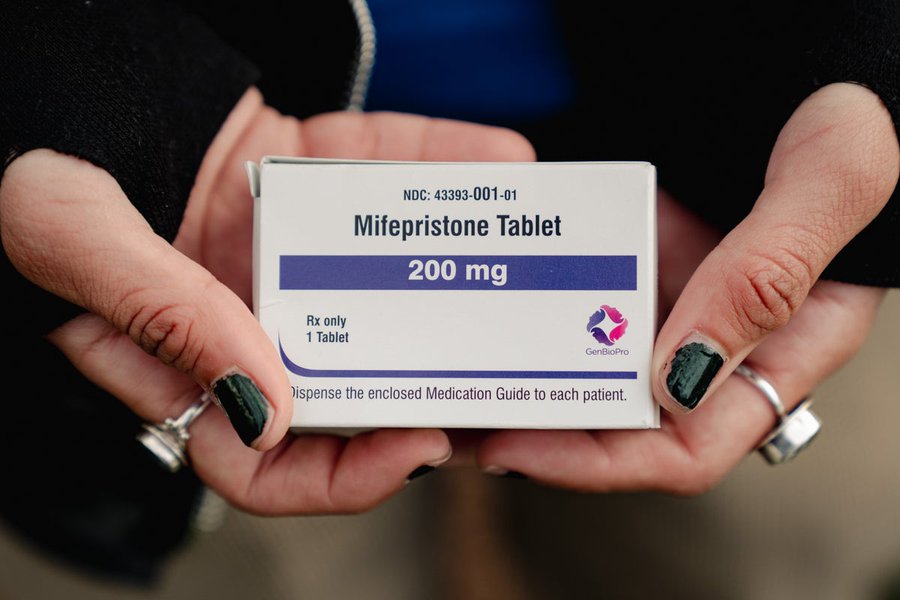
Supreme Court Preserves Telehealth Access to Abortion Pill Mifepristone Amid Legal Battle
High Court weighs In On Abortion Pill Battle
High Court weighs In On Abortion Pill Battle

NEW ORLEANS — Women across the United States can continue to access the abortion pill mifepristone through telehealth consultations after the Supreme Court on May 14 stayed a May 1 appeals court order that would have reinstated in-person prescribing requirements and restricted access to the drug pending further legal review.
The U.S. Supreme Court’s decision to keep access to the abortion pill mifepristone through telehealth appointments isn’t just a legal decision; it’s affecting the everyday lives of thousands of women. The country’s highest court has relaxed a lower court’s restrictions, allowing patients to continue consulting health providers online and having prescriptions filled without having to travel to a clinic.
The ruling clears away major hurdles to care for many women, especially women in rural areas of states like Texas and Mississippi, where abortion providers may be far between. Virtual appointments mean they can still receive treatment from home, without needing to drive for hours, take unpaid leave from work, arrange childcare, or even cross state lines for an appointment. While the legal battle over the regulation of mifepristone is far from settled, the Supreme Court’s decision provides immediate relief to women who depend on telehealth services to obtain reproductive healthcare. The U.S. Supreme Court is the final appellate court of the U.S. judicial system. It has the power to review and overturn the decisions of lower courts. It also has original jurisdiction based in the United States.
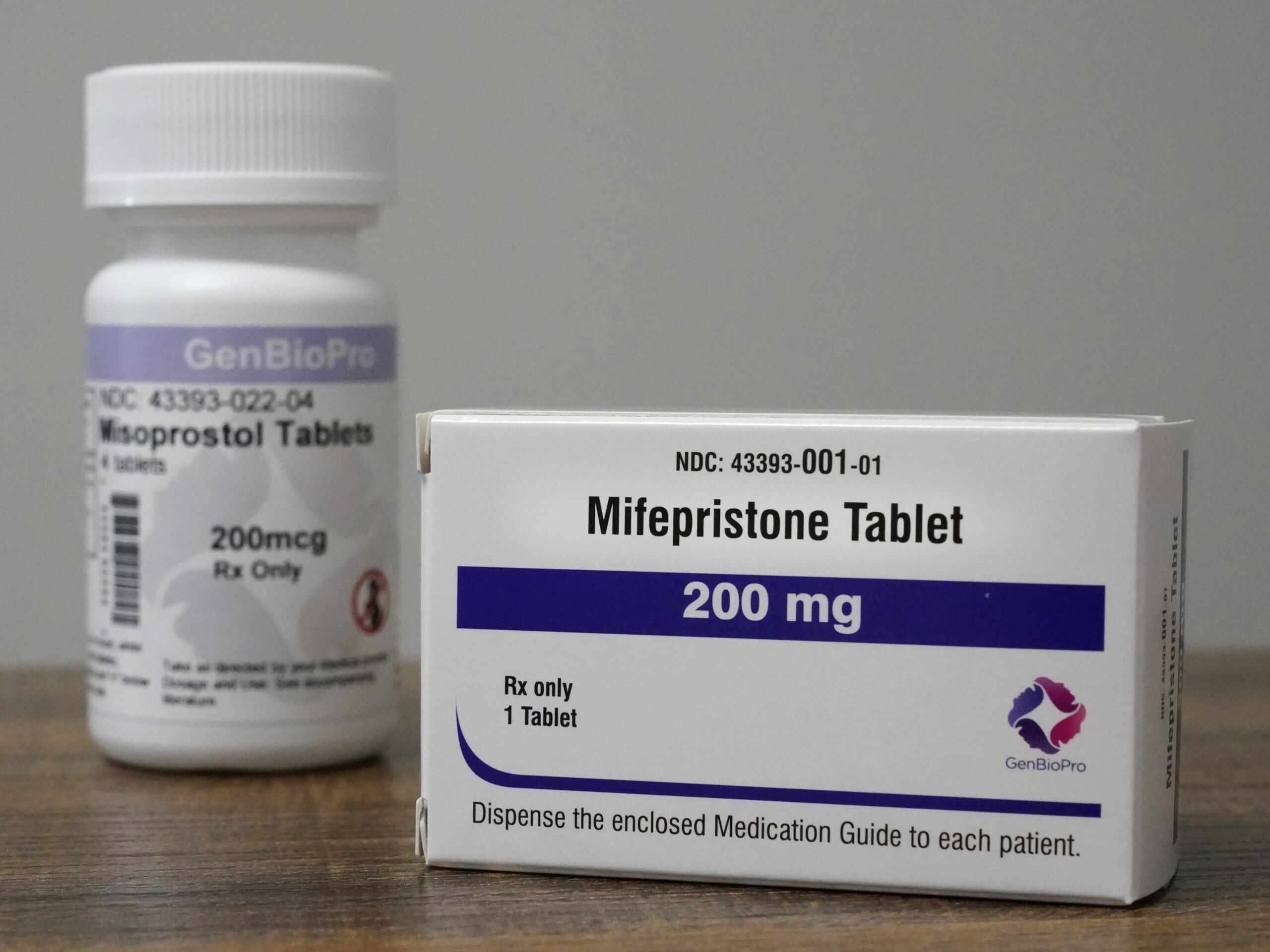

Mifepristone is typically used as part of a two-pill regimen for medication abortion
The battle over mifepristone is a legal battle playing out in the U.S. court system, but it extends far beyond the courtrooms and legal briefs. It’s a battle at its core between two fundamental values: protecting unborn life and protecting a woman’s right to make personal healthcare decisions. Abortion-rights advocates argue telehealth removes barriers to care for women, while opponents say restrictions are needed to protect patients and unborn children.
For many women in rural and underserved communities, the effects are immediate and personal. Restrictions can mean long drives to clinics, lost wages from missing work, child care burdens, and delayed access to care. Similarly, for many Americans, the question is framed morally, raising issues about the value of human life and society’s obligation to protect it. As the legal battle unfolds, the stakes are deeply human. The issues of life, conscience, compassion, and the difficult choices women, families, and communities face across the nation.
The battle over mifepristone is part of a wider national fight over abortion rights that heated up after the U.S. Supreme Court overturned Roe v. Wade in 2022, stripping away federal constitutional protection for abortion and largely leaving regulation to states and courts. Since then, access to abortion in the United States has become increasingly patchwork. Some states have tried to limit or ban the procedure; others have offered protections. These changes have come amid a focus on medication abortion, particularly the drug mifepristone, which has accounted for a large share of abortions and can be prescribed via telehealth and delivered through the mail.
The current case followed legal challenges to the Food and Drug Administration’s rules for mifepristone, including efforts to limit when and how it can be prescribed. A federal appeals court imposed limits on in-person visits, but the Supreme Court put that on hold for now, so telehealth remains accessible for now as the bigger legal battle goes on.
The Supreme Court’s stay maintains telehealth access for the time being, but the battle is not over yet. The ruling by the appeals court is still being reviewed, and more arguments are expected as both sides continue to fight over how the drug is regulated and who can prescribe it.
The larger question of how far states and federal courts can go to restrict or protect abortion medication remains unanswered. The next rulings could either expand the access or cut back on it further, so millions of women, healthcare providers, and policymakers are watching closely as the legal battle continues to unfold.
“The effect is very real. Patients don't always know what's out there and where to go when access rules are changing so often. Providers also need to be fast to adapt. Their uncertainty can create stress and further exacerbate existing inequalities, particularly for low-income or rural communities.”
– Dr Amina Aokoro.