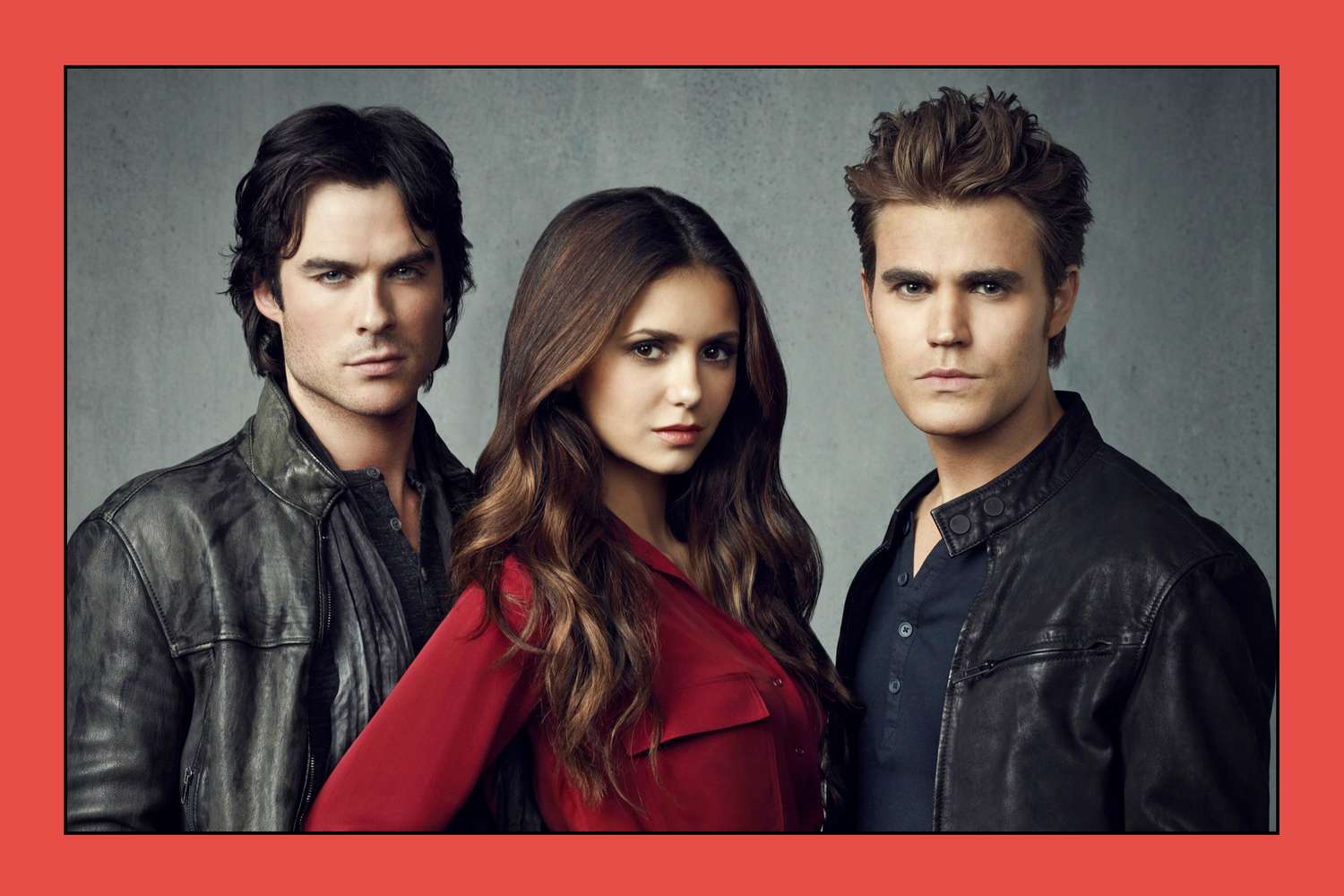
The Vampire Diaries Stars Return to Mystic Falls, Reuniting With Fans
After The Series Finale A Decade Ago, Cast Members From Supernatural Drama Still elicit Memories.

COVINGTON, GEORGIA — Nearly a decade after The Vampire Diaries aired its final episode, Damon Salvatore still draws crowds.
On a recent fan weekend in Covington, Georgia — the real-life town that doubled as Mystic Falls — hundreds of visitors lined up for photos, autographs, and guided tours of filming locations that first appeared on television more than 15 years ago. Some traveled across the United States and from overseas, filling local restaurants, hotels, and souvenir shops in a community that continues to benefit from a show that officially ended in 2017. For many attendees, the trip was about more than meeting cast members; it was a chance to reconnect with a series that shaped their teenage years or helped them through difficult periods of their lives. Cast reunions featuring actors such as Ian Somerhalder, who portrayed Damon Salvatore, have become major attractions, turning nostalgia into an economic engine.
One fan visiting from Texas described the experience as emotional.
The phenomenon highlights a growing trend in entertainment: television fandoms are no longer tied to a show’s broadcast run. Instead, audiences are sustaining communities through conventions, podcasts, social media groups, and reunion events years after a finale. For The Vampire Diaries, that loyalty has transformed the fictional Mystic Falls into a real-world tourism destination, with recurring fan conventions and cast appearances continuing to attract visitors long after many expected the franchise’s popularity to fade.
Evidence of that staying power can be found in Covington itself. Guided Mystic Falls tours operate year-round, taking fans to filming locations featured throughout the series. Fan weekends continue to draw visitors and cast members, while local businesses actively participate in themed events designed around the franchise. Organizers say these gatherings bring together fans who grew up watching the show and younger viewers who discovered it through streaming services years later. Parents now attend alongside their children, sharing a fandom that has crossed generations.
Supporters argue that fandom-driven tourism provides lasting economic benefits for communities and creates new revenue streams for actors, event organizers and local businesses. The continued popularity of The Vampire Diaries has helped keep Covington associated with Mystic Falls, generating demand for tours, themed accommodations and fan experiences.
But critics question whether the convention boom is always sustainable. Some fans have complained online about overcrowding, rising costs and organizational problems at certain events, reflecting broader concerns about the commercialization of fan culture. As conventions grow larger and more expensive, some longtime supporters worry that intimate fan communities risk becoming profit-driven enterprises.
Industry observers say the success of The Vampire Diaries reflects a wider shift in entertainment consumption. Streaming platforms allow older series to continuously attract new viewers, while social media enables fans to remain connected long after a show’s conclusion. The result is a new lifecycle for television franchises, one in which the finale no longer marks the end of audience engagement.
As more studios look to capitalize on established fan bases through reunions, conventions, and franchise extensions, the enduring popularity of Mystic Falls raises a larger question: if a television show can continue generating tourism, community, and commerce nearly a decade after ending, where exactly does a hit series’ lifespan end?