America’s World Cup Moment Has Arrived

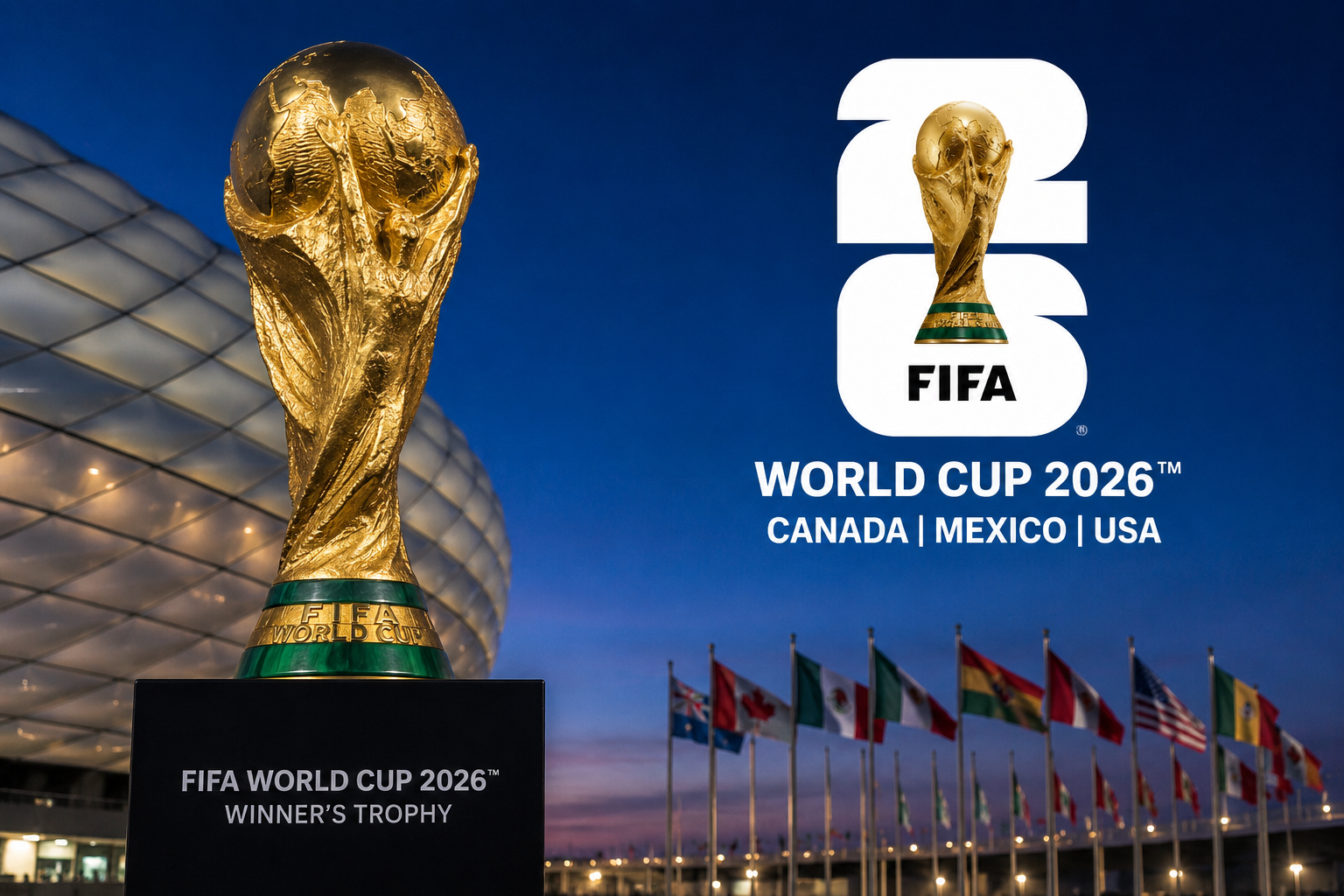
NAIROBI, KENYA — As the world’s biggest sporting event approaches, the United States faces the opportunity and pressure of hosting millions of fans under the global spotlight. For the first time in a generation, the United States is set to take center stage in global soccer as the FIFA World Cup 2026 arrives next June, drawing the world’s attention to American stadiums and marking a landmark moment for the sport’s growth across the nation.
To Lasry, FIFA 2026 represents far more than packed stadiums and international competition. He views the tournament as a rare moment when the United States will stand at the center of the global stage, welcoming millions of visitors and capturing the attention of fans worldwide. Through his eyes, the World Cup is a catalyst for cultural connection, economic opportunity, and national pride. As anticipation builds, Lasry sees the event as a chance to create lasting memories, strengthen communities, and elevate soccer’s place in the American sports landscape for years to come.
As FIFA 2026 draws closer, American host cities are caught between the promise of global recognition and the realities of an unprecedented logistical challenge. On one side are tournament organizers, government officials, and business leaders determined to deliver a world-class event that showcases the nation’s capabilities. On the other side are concerns over public safety, overcrowded transportation networks, rising costs, and the pressure placed on local services as millions of international visitors arrive.
The outcome will affect far more than soccer fans. Residents could benefit from new investments, increased economic activity, and enhanced infrastructure, but they may also face traffic disruptions, stretched resources, and heightened security measures. With the world’s attention fixed on the United States, the tournament has become a test of whether host communities can meet extraordinary expectations without sacrificing the needs of the people who live there every day.
FIFA 2026 is set to redefine the scale of the World Cup, introducing an expanded 48-team format and bringing the tournament to North America through a partnership between the United States, Canada, and Mexico. Since securing hosting rights several years ago, organizers have been preparing for an influx of international visitors by investing in venue readiness, transportation capacity, and public safety measures. The competition comes at a pivotal moment for soccer in the United States, where interest in the sport has steadily increased. As a result, the tournament is widely viewed not only as a premier global event but also as an opportunity to demonstrate the country’s readiness to welcome the world on an unprecedented scale.
“It represents a unique opportunity to showcase our country, strengthen local economies, and bring people together through a global celebration of sports", said Lasry in an interview”