Man United CEO Berrada Vows Disciplined Approach In Transfer Market
Omar Berrada says United will stick to their long-term plan and refuse to let agents influence recruitment decisions.

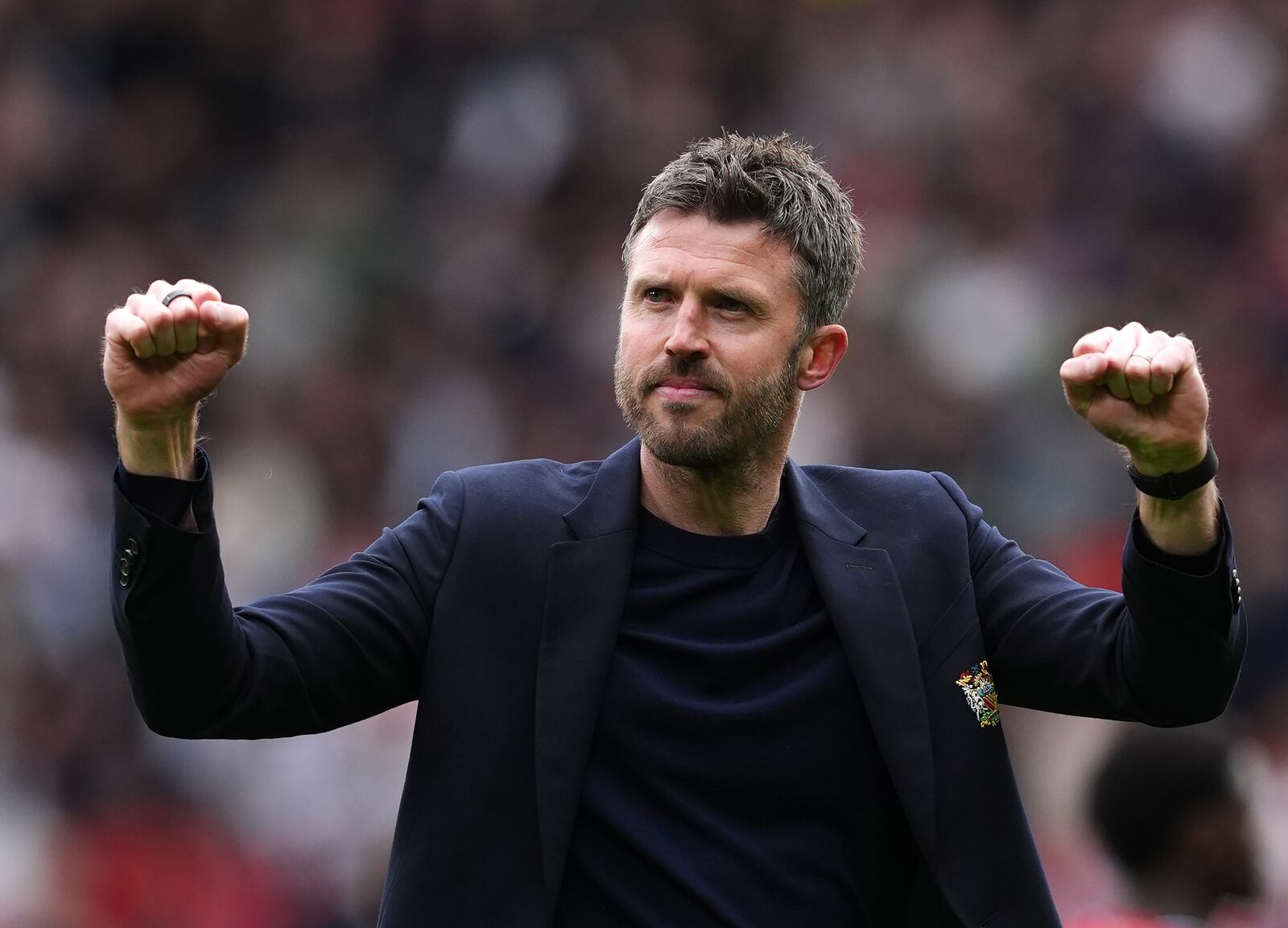
MANCHESTER, UNITED KINGDOM — After years of costly transfer mistakes and inconsistent recruitment, Manchester United are embracing a more disciplined, long-term approach to squad building, with chief executive Omar Berrada insisting the club will no longer allow agents or market pressures to dictate decisions as they seek to build on their return to the Champions League under Michael Carrick.
Omar Berrada, Manchester United’s Moroccan-born chief executive, is at the centre of the club’s new recruitment philosophy. Having previously held senior executive roles in European football, Berrada has been tasked with restoring stability and ensuring the club avoids the costly mistakes that hampered previous regimes.
His emphasis on planning, financial discipline, and sustainable investment reflects Manchester United’s attempt to create long-term success rather than relying on short-term fixes.
The trend is supported by Manchester United’s successful 2025 transfer window, which saw signings such as Matheus Cunha, Bryan Mbeumo and Benjamin Sesko make immediate impacts as the club secured a top-three Premier League finish and qualification for the UEFA Champions League.
Speaking on the club’s Inside Carrington podcast, Berrada stated that United intend to replicate that strategy by identifying key areas for improvement while remaining financially responsible.
Manchester United face the challenge of strengthening their squad while avoiding the transfer errors that have previously cost the club millions of pounds. The club must balance the pressure to compete with Europe’s elite against the need for financial sustainability.
While supporters and club executives believe a more strategic approach will bring long-term success, agents and the inflated transfer market continue to exert pressure on clubs seeking immediate results.
Manchester United supporters are eager to see the club return to competing consistently for major honours. Sponsors and commercial partners benefit from a successful and financially stable club, while Premier League rivals must contend with a potentially stronger Manchester United.
The wider Manchester community and club employees also have a vested interest in the team’s long-term success, given the club’s significant economic and social impact.
“We have to be really disciplined. We have a plan, we know what we can invest in, and we have to stick to that. It's very important that you don't let the market or the agents dictate what we should be doing." — Omar Berrada, Manchester United CEO.”
The club is shifting toward a more disciplined, long-term recruitment strategy, focusing on planned investments rather than reacting to agents or market pressure. The aim is to avoid repeating costly transfer mistakes from the past and instead build a squad that can compete consistently at the highest level over several seasons.
The real test will come in the upcoming transfer windows, where this approach will be measured against on-pitch results. If the strategy works, it could reshape how the club operates in the transfer market — but failure to deliver immediate success may bring pressure to abandon it. The question now is whether patience and planning can win out in a results-driven environment.