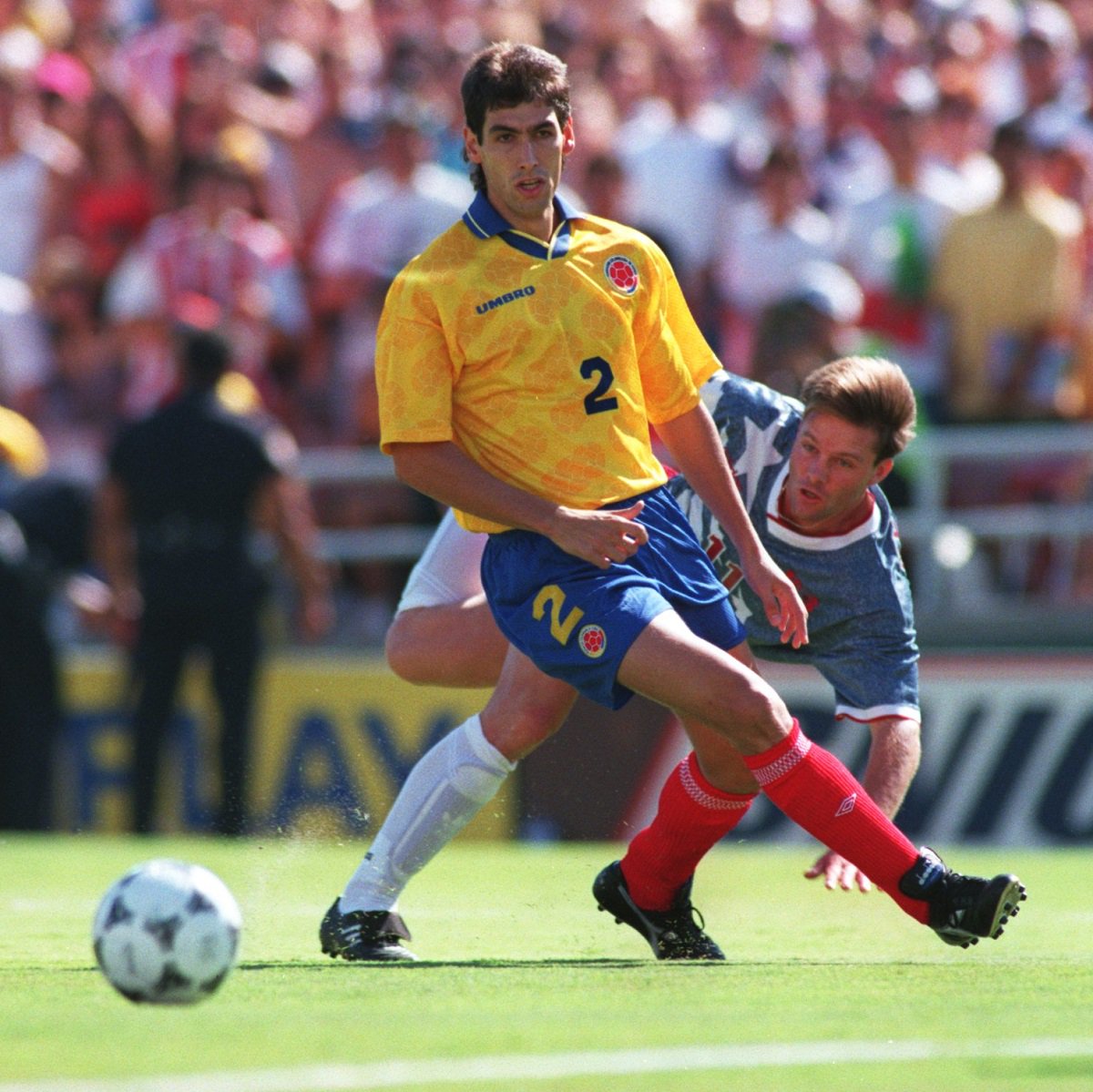
The Own Goal That Changed A Nation

MEDELLíN, COLOMBIA — On July 2, 1994, Colombian football defender Andrés Escobar was shot and killed in Medellín, Colombia, days after his own goal against the United States contributed to the national team’s elimination from the FIFA World Cup, turning a sporting mistake into one of football’s darkest tragedies and exposing the violent undercurrents surrounding the game in the 1990s Colombia.
Andrés Escobar was never supposed to be remembered for an own goal. Known in Colombia as ‘The Gentleman of Football’, the 27-year-old defender was admired for his calm demeanour, humility and sportsmanship. He captained by example, earning the respect of teammates and rivals alike. Despite the criticism, he publicly accepted responsibility and urged Colombians to move forward, writing, ‘Life doesn’t end here’ Days later, he was shot and killed outside a nightclub in Medellín.
His death transformed a beloved footballer into a symbol of how violence and fanaticism can turn a game into tragedy. More than three decades later, Colombians remember not the mistake he made on the pitch, but the dignity with which he faced it.
Andrés Escobar’s own goal, a mistake common in sport, became magnified by immense national expectations and the influence of gambling and organized crime. The consequences were devastating: a respected player lost his life, and Colombia was forced to confront the dangerous cost of fanaticism.
Colombia entered the 1994 FIFA World Cup as one of the favorites after a dominant qualifying campaign. But the country was also grappling with widespread violence and the influence of drug cartels. Following Colombia’s early elimination, tensions ran high, and Escobar’s murder became a stark reminder of how deeply crime and fanaticism had infiltrated the nation’s most beloved sport.
“He was Colombian, he was fighting to become a man of dignity, a man who played the game with grace and lived his life the same way. The world should remember that face, that number six on his back. And know that is who we are too. That is who we are trying to be,' said Maria Gomez”
As Colombia continues to reflect on Escobar’s legacy, questions remain about how sport, violence, and public pressure intersect. Investigations, testimonies, and historical accounts still shape how the story is understood today, with each retelling adding pressure to separate myth from fact and memory from emotion.