Brazil Bets On Smart Vests And Analytics To Boost World Cup Chances
Wearable technology is helping coaches track player performance, but questions remain about its impact on results.
SãO PAULO, BRAZIL — The training grounds in Brazil have been transformed into a tech environment with players now wearing smart vests that capture all their sprints, accelerations, and fatigue.
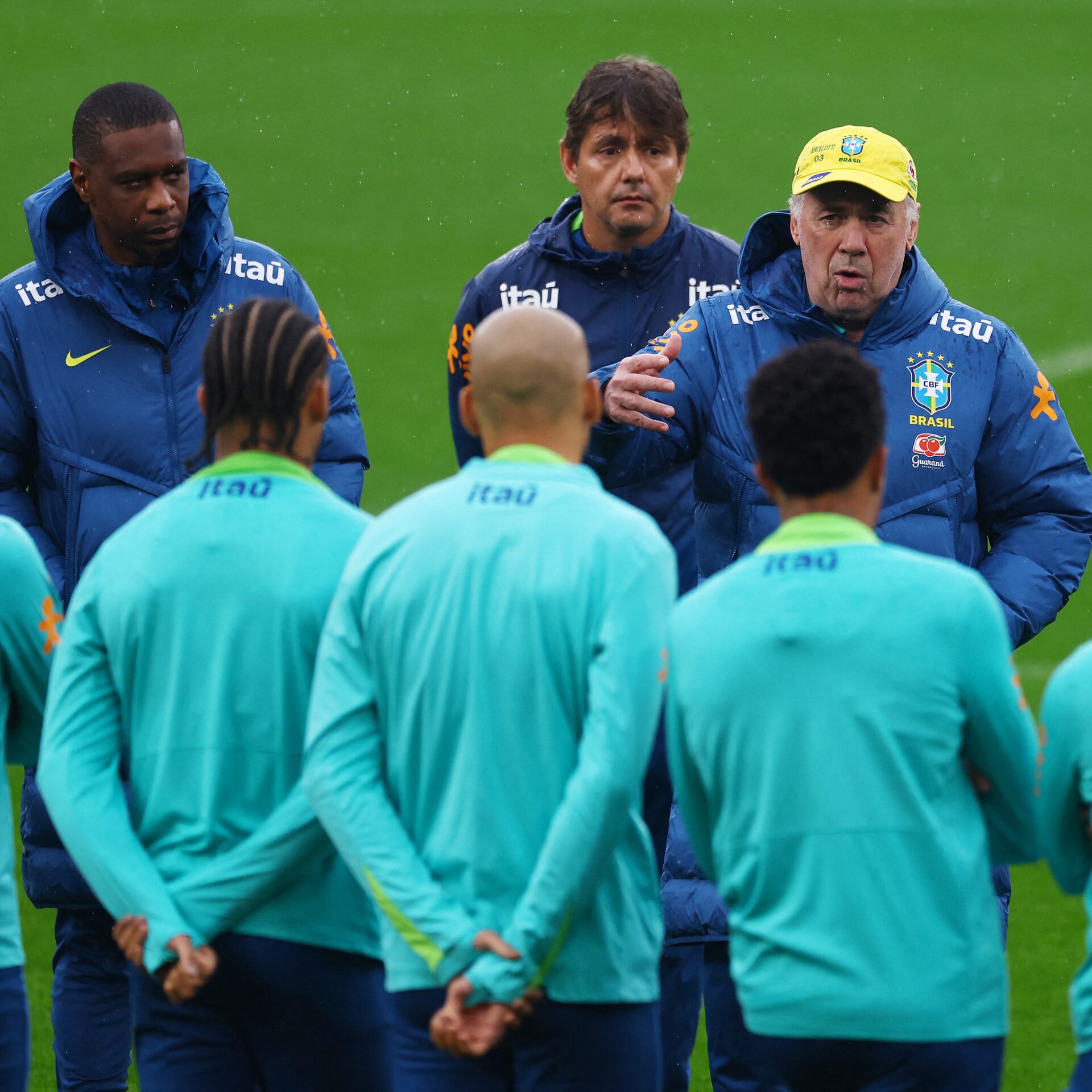
Coach Carlo Ancelotti has begun incorporating wearable technology into the national team’s performance to inform coaching decisions. Real-time tracking is part of a new trend in elite football, where data has emerged as a valuable asset and a force to be reckoned with alongside traditional coaching methods.
Coaches and sports scientists can use GPS-fitted vests and monitoring equipment to track players’ movement, workload, recovery, and injury risk.
Clubs and national teams from around the world are investing in these systems as a means to a competitive edge, with Brazil leading the way in using smart vests as proof of data-driven decision-making for their team.
Data and industry reports indicate there has been a rising trend in sports analytics and wearable monitoring devices in top-tier football. They record important metrics such as distance traveled, maximum sprint speed, and recovery rate. Teams apply this information to adjust training programs, develop fatigue management strategies, and minimize injuries.
As with most sectors, sports technology has become a massive industry, and this trend indicates that performance data is becoming crucial in the modern football world for the organizations that want to achieve success at the very pinnacle of the game.
Some people see the potential in wearable technology, but others wonder if numbers can take the place of instinct and experience. Sports scientists and coaches maintain that objective information is the basis of better decisions and healthier athletes.
Others argue that creativity, leadership, and decision-making in demanding situations are the most vital attributes of football, which are not possible to be captured by sensors. The debate is broader than the clash between technology and old-school values in the sport.
The trend has been felt across the football industry, including players, coaches, fans, and the wider football community. The results of performance tracking are expected to be better, and fewer injuries are seen, with technology firms reaping greater demand for analytics solutions.
While this can be a fun thing for fans to see star players stay fit longer, there are still data privacy issues and personal performance information usage questions. The smart vests are just one example of how technology is changing the future of football, as Brazil gets ready for upcoming matches.


carlo-ancelotti_reto1zbn138r1oap9ujtih8ce
As Brazil’s head coach, Carlo Ancelotti is responsible for deciding how new technologies are integrated into training and match preparation. His leadership will help determine whether wearable devices become a permanent part of the team’s strategy or remain a supplementary tool.
“It is a new experience, something very special. Obviously, because of the responsibility and the honor of representing a country—the country of football and the most successful national team in the world. So there are two things: responsibility and honor. I want to experience this moment with joy and happiness because it is a very beautiful chapter in my life." -Carlo Ancelotti”
The growing use of performance-tracking technology suggests that data analytics will play an even larger role in football’s future. As artificial intelligence and real-time monitoring continue to evolve, teams may gain deeper insights into player performance. The key question is whether technology can enhance success without diminishing the human instincts that define the sport.