A New Iran Strategy
Trump's decision could alter the region's future.

WASHINGTON — A noticeable shift is unfolding in Washington as President Donald Trump steers U.S. policy toward Iran in a new direction. After months dominated by warnings, pressure campaigns, and fears of a broader regional confrontation, the administration is now placing diplomacy at the center of its strategy. The move has surprised political observers and sparked fresh debate about how the United States should navigate one of the Middle East’s most persistent challenges.
The decision arrives at a time when tensions across the region remain high. For years, relations between Washington and Tehran have been shaped by mistrust, sanctions, and competing security interests. Recent developments had fueled concerns that the standoff could spiral into a larger crisis. Instead, the administration is signaling that dialogue may offer a chance to ease tensions and prevent further instability.
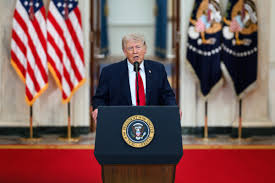
“The administration has emphasized continued cooperation with regional partners. A successful agreement could improve stability and security and allies while reducing uncertainty across the region," said President Donald Trump in an interview.”
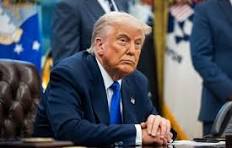

Donald Trump Iran War in USA, June 17, 2026. Trump's Iran pivot sparks debate at home and abroad.. Photo: Jane Doe/Reuters
Supporters of the new approach view diplomacy as a practical tool rather than a sign of weakness. They argue that negotiations create opportunities to address difficult issues without exposing the region to the consequences of another major conflict. Advocates believe that opening channels of communication could help reduce uncertainty, improve regional stability, and create conditions for broader cooperation on security matters.
At the heart of the discussions are questions that have challenged policymakers for years. Sanctions, nuclear activities, regional influence, and long-term security commitments continue to divide the two sides. Although there is interest in finding common ground, turning that interest into a workable agreement will require difficult compromises and sustained political will.
What makes this moment particularly significant is the contrast with the administration’s earlier posture. Trump’s approach had largely emphasized pressure as the primary means of influencing Iranian behavior. The current strategy suggests a different calculation, one that tests whether negotiation can produce outcomes that confrontation alone could not achieve. It represents a gamble that diplomacy may deliver greater stability than continued escalation.
The consequences of that gamble could extend well beyond the negotiating room. Any meaningful progress could affect global energy markets, reshape regional alliances, and influence future American involvement in the Middle East. A successful agreement could lower the temperature in a region that has experienced years of uncertainty, while failure could revive concerns about renewed confrontation.
For now, the outcome remains unclear. Yet the shift itself has already changed the conversation. Instead of asking how far tensions might rise, attention is increasingly focused on whether diplomacy can succeed. The answer may help determine not only the future of U.S.-Iran relations but also the direction of the Middle East in the years ahead.