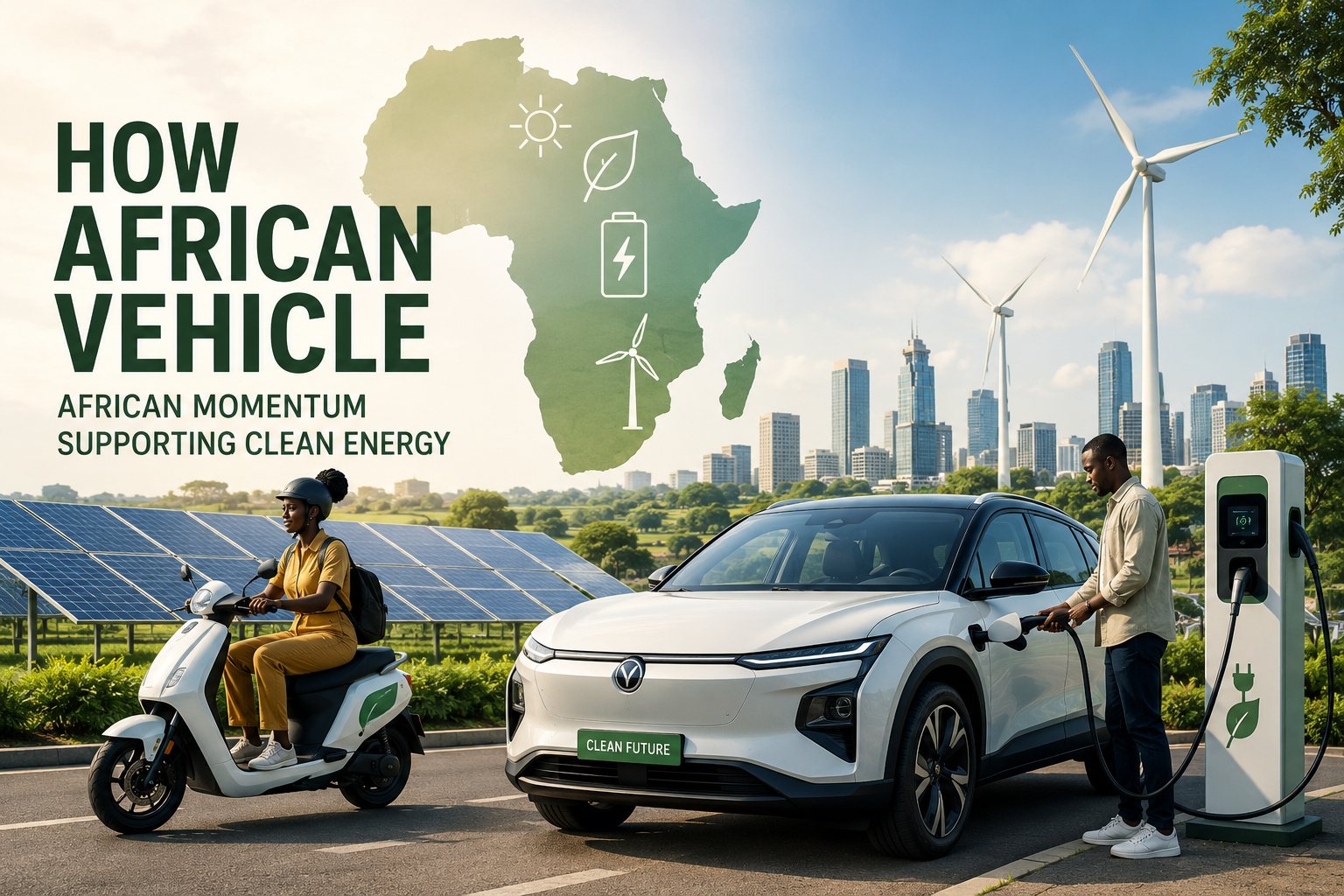
African’s electric vehicle revolution gains momentum amid rising demand for clean transport.
As fuel prices rise and climate concerns grow,African countries are turning to electric vehicles to build clean and more affordable transport future.
As fuel prices rise and climate concerns grow,African countries are turning to electric vehicles to build clean and more affordable transport future.

CAPE TOWN, SOUTH AFRICA — On the busy streets of Nairobi, a boda boda rider who once spent most of his daily earnings on fuel now plugs his electric motorbike into a charging station at the end of each shift, paying a fraction of what he used to spend on petrol. Across Kenya and other African cities, more drivers are beginning to make the same shift to electric vehicles as rising fuel prices and growing congestion push them toward cheaper, cleaner transport options.
“Many African countries are investing in renewable energy and sustainable transport to reduce fuel costs and pollution,” says a rider in Nairobi.
Still, the transition is not without challenges. Limited charging infrastructure, high upfront vehicle costs, and unreliable electricity in some areas continue to slow adoption, leaving many drivers unsure how quickly this shift can fully take hold across the region.
Jit Bhattacharya is a clean-energy entrepreneur working on solutions that support the growth of electric mobility and sustainable transport systems in emerging markets. His work focuses on improving access to affordable electric vehicle infrastructure, especially charging networks that can support riders and drivers in fast-growing African cities. He has observed that the shift to electric transport is being driven largely by economic pressure, with many users motivated by lower daily operating costs rather than environmental concerns alone. Bhattacharya also emphasizes that without reliable and widely available charging infrastructure, the adoption of electric vehicles will remain slow, even as interest in cleaner transport continues to grow.
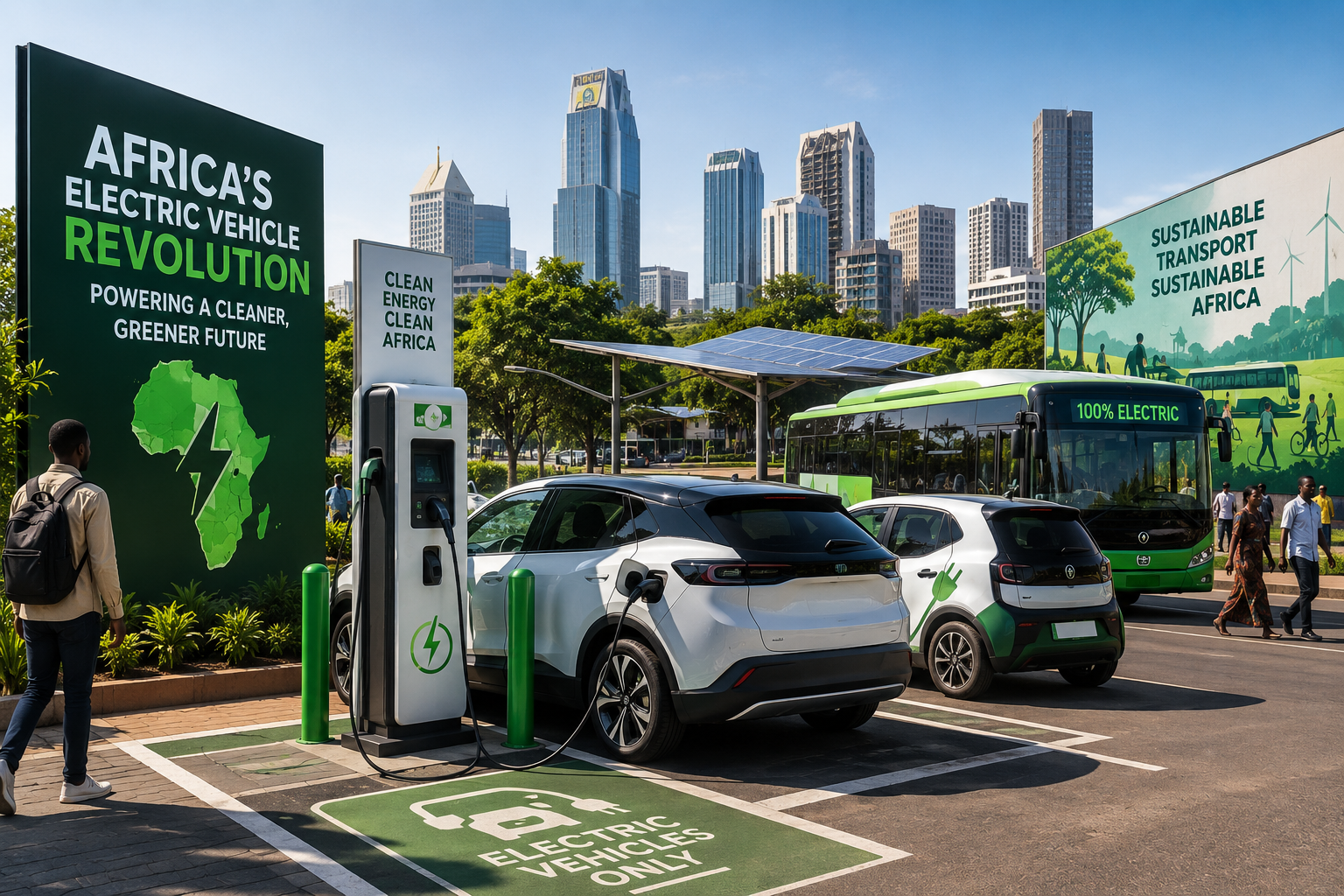

Electric vehicle adoption in Africa is steadily gaining momentum, supported by growing evidence from regional energy and mobility reports. According to findings highlighted in Africa E-Mobility Alliance’s Africa’s Electric Mobility Status 2025 report, several African countries are already seeing a gradual increase in electric two- and three-wheelers, especially in urban transport sectors like boda bodas and delivery services, where fuel costs make up a large share of daily income. The report also notes that high fuel prices and rapid urban growth are key drivers pushing users toward electric alternatives, even though infrastructure gaps remain a major barrier. This is reinforced by data from organizations such as the International Energy Agency (IEA), which reports that global electric vehicle sales continue to rise sharply, with developing regions increasingly participating in the shift. However, both reports emphasize that Africa’s transition is still in its early stages, held back by limited charging networks, high upfront vehicle costs, and inconsistent electricity supply, meaning the growth is real but uneven across the continent.
The shift toward electric vehicles across Africa is creating a clear divide between those driving the transition forward and those feeling left behind. On one side, EV startups, clean-energy investors, and urban delivery companies are pushing aggressively for adoption, arguing that electric mobility will cut transport costs, reduce emissions, and modernize fast-growing cities. On the other side, many fuel-dependent drivers—especially boda boda operators and small transport owners—remain skeptical, worrying about the high upfront cost of electric bikes, unreliable charging infrastructure, and the risk of losing income if breakdowns or power shortages leave them stranded. Petroleum suppliers and fuel station businesses also face indirect pressure from the gradual move away from gasoline, raising concerns about long-term job and revenue losses. This tension between economic opportunity and economic uncertainty is what is shaping the transition: while some see electric mobility as the future of transport in Africa, others see it as a costly shift that may not yet match the realities of everyday.
As electric mobility slowly expands across African cities, the next phase of the trend will depend on how quickly charging infrastructure grows, whether governments introduce supportive policies, and if prices of electric vehicles continue to fall. Industry players say the coming years will determine whether electric transport remains a niche option for early adopters or becomes a mainstream solution for everyday urban mobility.
If current momentum continues, the key question is no longer whether Africa will adopt electric vehicles but how fast it can build the systems needed to support them at scale.