AI Regulation Plan Delayed As Trump Weighs Innovation Risks And Global Competition
Cybersecurity risks posed by powerful new AI systems.
Cybersecurity risks posed by powerful new AI systems.

Cybersecurity risks posed by powerful new AI systems
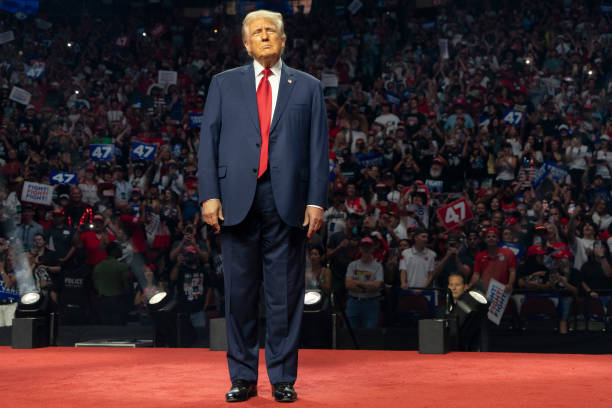
NEW YORK — Plans to introduce new federal oversight on artificial intelligence were unexpectedly delayed after President Donald Trump pulled back from signing a proposed executive order at the last moment.
The measure, which had been scheduled for a formal rollout with industry leaders, was expected to outline a framework encouraging AI companies to cooperate with the government on safety standards. This included voluntary steps such as sharing advanced systems for review before public release, aimed at addressing concerns over misuse and national security risks.
“"Well, we want to get it right. AI is a very powerful technology, and while safety is important, we also don't want to hold back innovation or put American companies at a disadvantage," said President Trump on a live interview.”
However, the signing was abruptly postponed, highlighting ongoing disagreements within political and industry circles about how far regulation should go. According to officials familiar with the discussions, concerns were raised that the proposed rules, though voluntary, could slow innovation and place U.S. firms at a disadvantage in the global race for AI leadership.
The delay also follows intensified lobbying from major technology companies, some of which have cautioned against introducing measures they believe could evolve into stricter regulatory burdens over time.
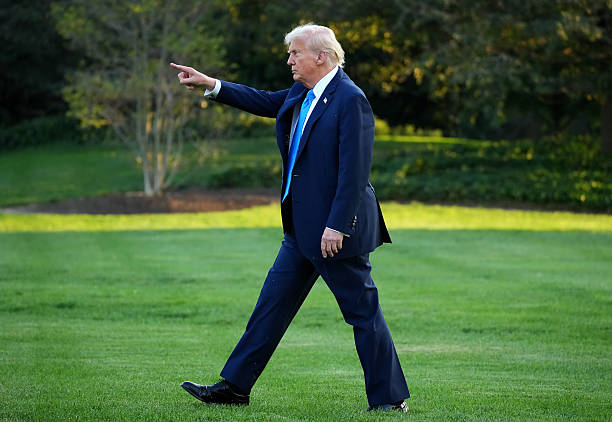

president Trump
At the center of the debate is a broader tension balancing the rapid development of powerful AI technologies with the need for safeguards. While some policymakers argue that early oversight is essential to prevent future risk, others emphasize maintaining competitiveness, particularly against countries like China.
Speaking at the Oval Office, Trump said, “I didn’t like certain aspects of it, I postponed it. I think it gets in the way of you know, we are leading China, we are leading everybody and I don’t want to do anything that’s going to get in the way of that lead.”
For now, the proposal remains in limbo, leaving uncertainty over when or if a comprehensive federal approach to AI governance will move forward.