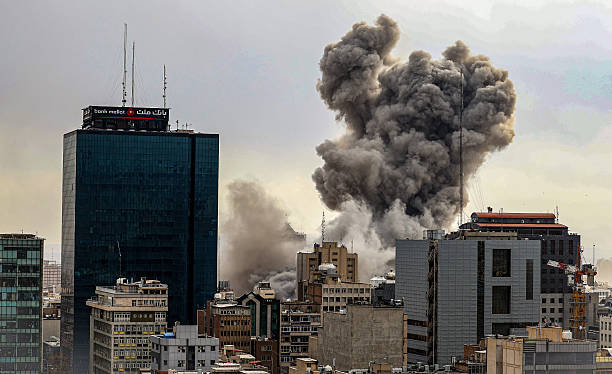
Iran’s Military Warns US Forces of Attacks if They Try To Enter Hormuz
Trump says US will will help to free up ships stuck in Hormuz Strait
Trump says US will will help to free up ships stuck in Hormuz Strait

NAIROBI, KENYA — Global markets, energy supplies, and millions of people’s lives are in danger due to the growing prospect of conflict between Iran and the United States in the Strait of Hormuz, a tiny passageway that carries almost a quarter of the world’s oil.
As tensions rise between Iran and the United States in the Strait of Hormuz, Donald Trump has become the central figure in the crisis. The growing confrontation puts enormous pressure on Trump as the world observes how he reacts to Iran’s warnings about U.S. military presence in the Gulf.
For Trump, this situation goes beyond politics and military strategy. His choices could impact global oil prices, international trade, and the safety of military personnel and civilians in the region. Supporters may see strong action as a demonstration of leadership, but critics worry that any escalation could bring the region closer to open conflict.
The crisis also underscores the human impact of high-level political decisions. From sailors navigating threatened shipping routes to families dealing with rising fuel and food costs, the result of this standoff could effect millions well beyond the Middle East.
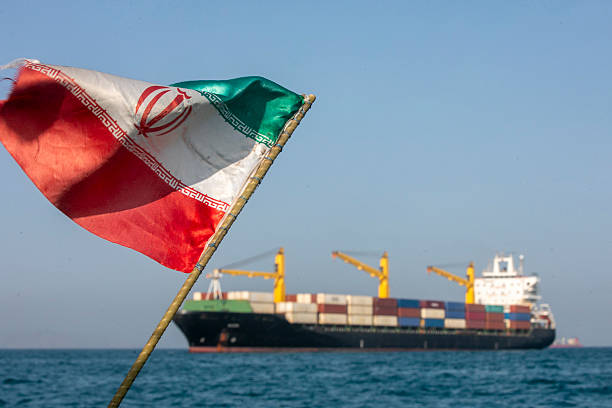

An Iranian flag flutters in the wind as ships remain anchored on May 16, 2026 in the Strait of Hormuz near Larak Island, Iran. Negotiations between the U.S. and Iran over opening this critical waterway have largely stalled as the countries have rejected each other's proposals to end the war that began when the U.S. and Israel attacked Iran
Tensions between Iran and the United States are heating up quickly as Tehran threatens to hit U.S. forces entering a strategically important oil corridor known as the Strait of Hormuz, through which much of the world economy flows. It involves not just military control of the Gulf but also the stability of global energy supplies, with nearly a quarter of all oil in international trade flowing through that channel. With war rhetoric escalating, that reverberates already into the lives of ordinary people: higher fuel bills, trade interruptions, and fears by seafarers and coastal communities in harm’s way should a conflict arise.
Decades of political animosity, military competition, and disagreements over influence in the Middle East are the main causes of the current tensions between Iran and the United States. After the United States withdrew from the 2015 Iran nuclear agreement in 2018 and reinstated severe economic sanctions on Tehran, relations considerably deteriorated. Iran responded by stepping up its military presence in the Gulf and issuing many warnings against foreign meddling in its territorial waters.
Both nations have accused one another over the years of endangering regional stability through military operations, sanctions, and assaults connected to Middle Eastern proxy groups. After Iranian commander Qasem Soleimani was killed in a U.S. drone attack in 2020, tensions increased, and the two countries came dangerously near confrontation. Uncertainty has been exacerbated ever since by conflicts involving naval troops, oil tankers, and military threats in the Gulf.
The Strait of Hormuz, a small but extremely important waterway that carries around 25% of the world’s oil supply, is at the heart of the most recent conflict. Any interruption in the region might have an effect on international trade routes, gasoline prices, and economic stability.
“Strength is necessary to maintain stability, but we also remain open to diplomacy if Iran chooses dialogue over threats.”
said President Donald Trump in an interview.
The larger picture is a reflection of the Middle East’s continuous conflict over security and regional dominance. Although Iran and the United States are the main parties involved in the conflict, its ramifications go well beyond the region, impacting international diplomacy, global markets, and the daily lives of millions of people who depend on reliable trade networks and energy.