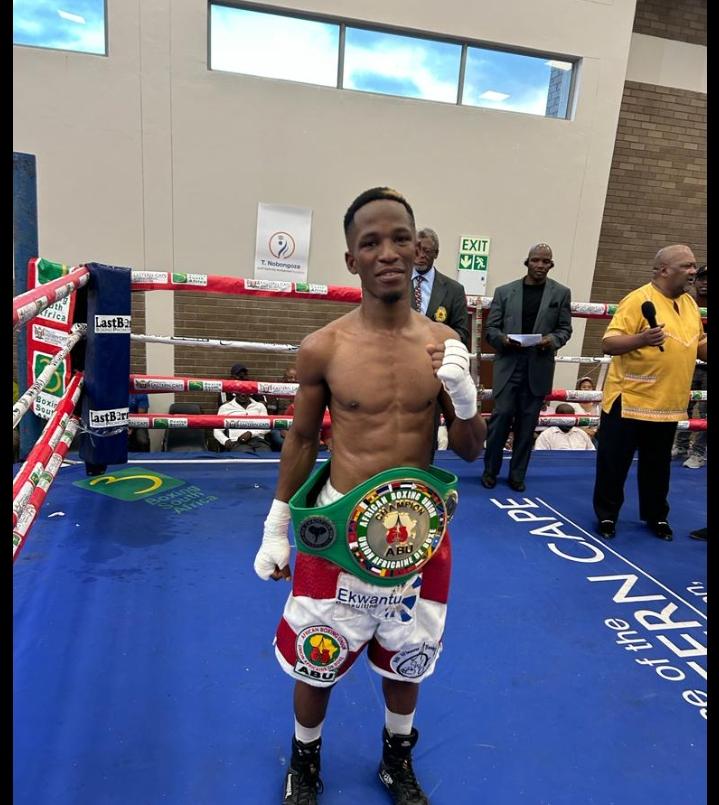
Kuse defends WBC title in South Africa showdown
South Africa champion Siyakholwa Kuse retains his WBC minimum weight crown after a decisive victory over Melvin Jerusalem.
South Africa champion Siyakholwa Kuse retains his WBC minimum weight crown after a decisive victory over Melvin Jerusalem.

KUGOMPO CITY, SOUTH AFRICA — Siyakholwa Kuse defended his WBC World minimum weight title with a unanimous decision over Filipino challenger Melvin Jerusalemon Saturday night, sending a capacity crowd at the Orient Theatre into raptures and cementing his status as Africa’s brightest boxing star.
From the moment Kuse strode to the ring draped in a South African flag, it was clear this was more than a championship fight — it was a homecoming for a champion who had spent years chasing his dream in relative anonymity. Across 12 rounds of technical, high-stakes boxing, Kuse gave the 3,000 fans who packed the theatre exactly what they came for: precision, heart, and an emphatic victory by scores of 116-112, 117-111 and 118-110.
“Tonight I wasn’t fighting for myself, I was fighting for every young African boxer who is told they don’t belong at the top,” Kuse said as the green-and-gold belt rested across his lap. “This belt is staying in South Africa because it represents more than a title. It represents hope.”
Kuse’s journey from the rough streets of Mdantsane, a township known as South Africa’s boxing factory, to the pinnacle of the minimum weight division is the stuff of local legend. He first laced up gloves at the age of 10 under the watchful eye of his late uncle, a former amateur standout, and turned professional in 2016. His rise through the ranks was steady but quiet, too quiet, say those who have watched him develop a rare blend of defensive mastery and spiteful punching power that has now earned him a 16-0 record with 12 knockouts.
“Siyakholwa is the most complete fighter the minimum weight division has seen in a decade,” said Andile Mthembu, a Johannesburg-based promoter and boxing analyst. “The problem is, very few people outside this country actually know his name.”
That paradox sat at the heart of Saturday’s triumph. Inside the Orient Theatre, the atmosphere was electric: vuvuzelas blared, supporters danced between rounds, and the roar when the final bell sounded could have rattled the corrugated roof. Yet outside the venue, the fight was virtually invisible. No major international broadcaster carried the card. Local businesses, rather than global brands, dominated ringside advertising. Kuse’s purse, while career-best, was a fraction of what a Japanese or Mexican minimumweight champion commands for a defence.
“We have world-class talent but third-world investment. That’s the real fight in African boxing. It’s not about whether our fighters can win — they’ve been doing that for generations. It’s about whether the business of the sport will ever give them a platform that matches their ability,” said Bongani Moyo, veteran boxing writer for City Press
The numbers bear out Moyo’s frustration. South Africa has produced 97 world champions across the sanctioning bodies since the end of apartheid. Yet, only a handful have fought on premium television networks or secured the kind of sponsorship deals that turn champions into household names. In the minimum weight division, the lightest in the sport, capped at 105 pounds, the struggle for exposure is especially acute. Fighters in Asia regularly headline sold-out arenas and ink seven-figure endorsement contracts; their African counterparts often share dressing rooms and rely on ticket sales to break even.
Jerusalem, himself a former WBO title challenger, was a worthy opponent who tested Kuse in the middle rounds with a sustained body attack. But the champion’s composure never wavered. He adjusted, picked his shots, and swept the championship rounds with the authority of a man who refuses to let his moment slip away.
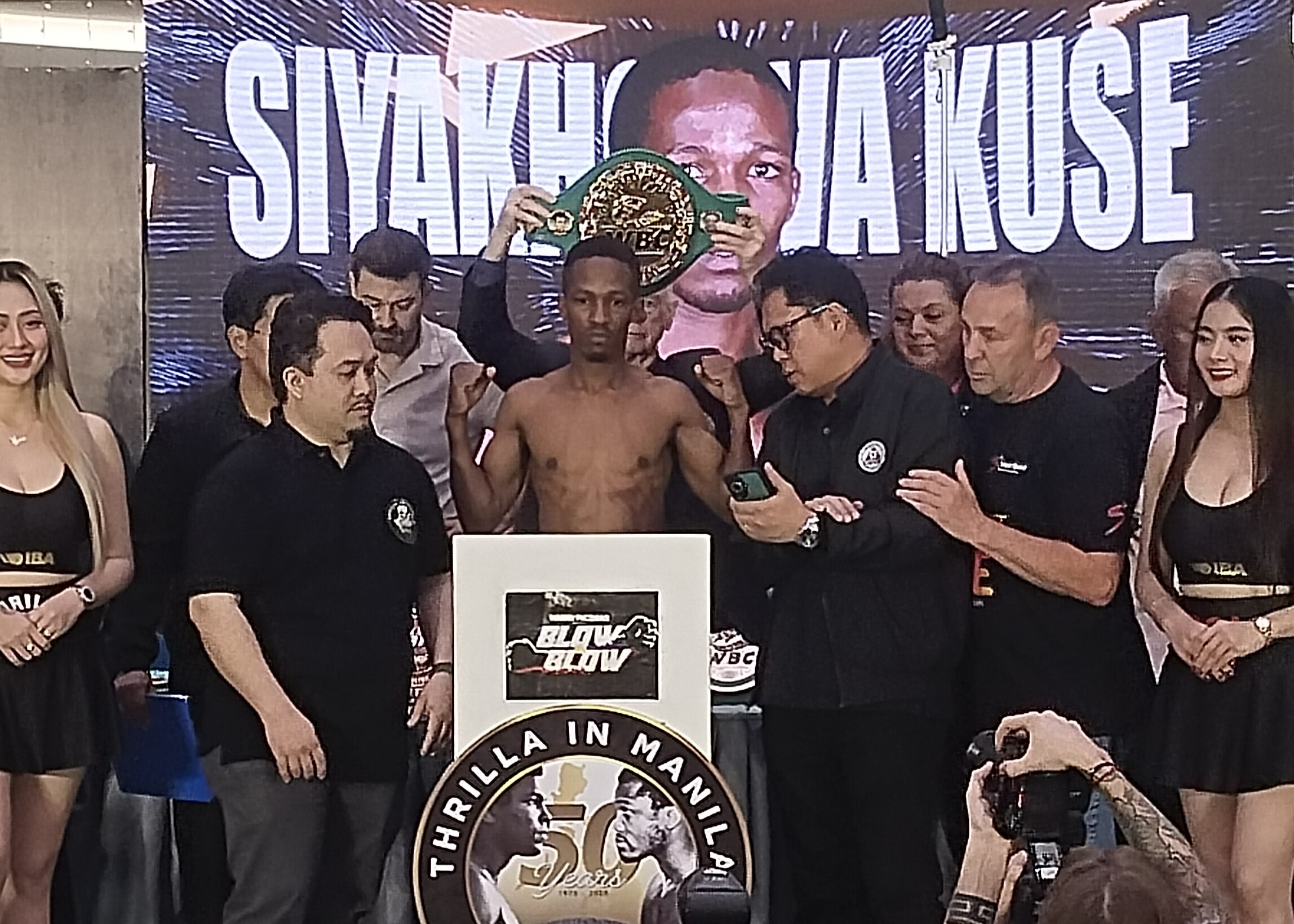

Siyakholwa Kuse defended his #WBC World minimumweight title with a unanimous decision over Filipino challenger Melvin Jerusalem on Saturday night.
For Kuse, the victory was never just about beating the man in front of him. It was about proving that a South African fighter could be the face of a division historically dominated by names from the Americas and Asia. The immediate next step, according to his management, is a mandatory defence against a top-ranked contender later this year, with talk of a possible unification bout should a deal with another titleholder materialise.
“I want the big fights, wherever they are Japan, Mexico, the United States,” Kuse said. “But I also want the world to come here, to see what we have in South Africa. We don’t need charity. We need opportunity.”
As the last fans trickled out of the Orient Theatre, the champion posed for photographs with children who had waited hours just to touch his glove. The scene was a poignant snapshot of what is possible when talent meets a platform, however modest. The question that lingers is whether the sport’s power brokers will finally provide that platform on a scale that matches the hunger inside and outside the ring, and for now, Siyakholwa Kuse remains a world champion.