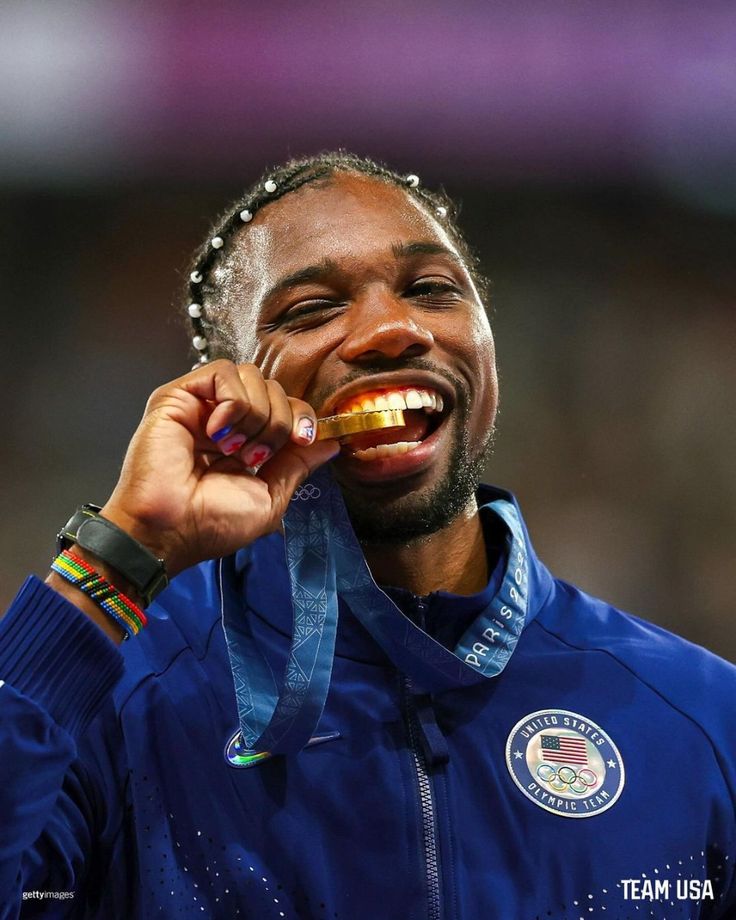
Lightning Return: Noah Lyles Blazes 9.95s to Open Season in Tokyo
Olympic champion sends early warning to rivals with dominant 100m win at Seiko Golden Grand Prix
Olympic champion sends early warning to rivals with dominant 100m win at Seiko Golden Grand Prix

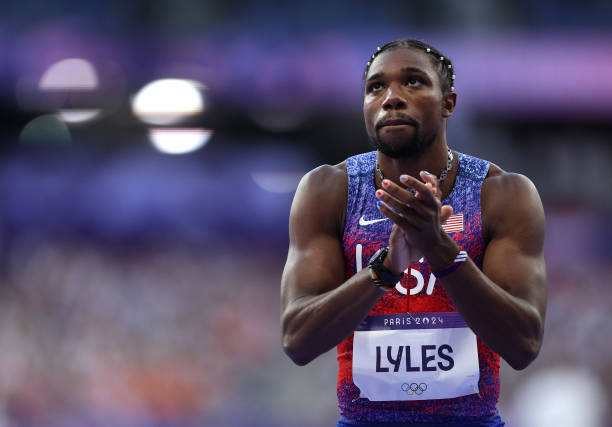

Noah Lyles
ALEXANDRIA, VIRGINIA — Noah Lyles is more than just the winner of a race in Tokyo; he is the focal point of a season beginning under pressure and expectation. Opening his 2026 campaign at the Seiko Golden Grand Prix, Lyles stepped onto the track carrying the weight of a reputation as one of sprinting’s biggest names.
For him, the 9.95-second victory in the 100m was not just a result on a scoreboard, but an early test of rhythm, confidence, and intent. Through his performance, the story becomes personal: a champion reasserting himself, one race at a time, as the world watches to see how the season will unfold.
The tension surrounding Noah Lyles stems from a sport where dominance is never guaranteed, and every season resets the hierarchy. On one side is Lyles himself, an Olympic champion expected to remain the standard-bearer of men’s sprinting. On the other are a growing field of hungry rivals closing the gap, each race tightening the margins that once separated him from the pack.
What is at stake is more than medals or times; it is legacy and control of the sprinting narrative. A single slow start to the season can shift perception, inviting doubt about whether he still owns the 100m stage. For Lyles, every race becomes a test of identity under pressure, balancing confidence with scrutiny, and performance with expectation. The consequence is clear: in sprinting, authority is fleeting, and maintaining it demands constant proof.
Noah Lyles enters his 2026 season as one of the defining figures in men’s sprinting after years at the top of the sport, including major global titles and consistent sub-10-second performances. In recent seasons, the men’s 100m landscape has become increasingly competitive, with multiple sprinters regularly pushing into elite times and narrowing the gap between the established champion and the chasing pack.
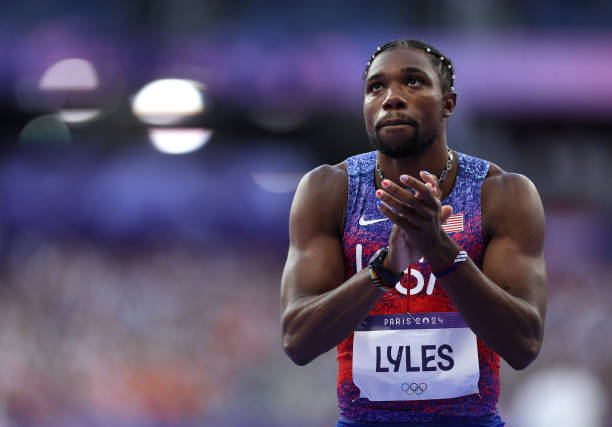
Noah Lyles
The Seiko Golden Grand Prix in Tokyo is part of the early-season international circuit where top athletes test form and fitness ahead of major championships. Lyles’ 9.95s opener fits into this broader setting: a high-profile athlete beginning his campaign in a field where every performance is closely measured, and where early results often shape expectations for the rest of the season.
While Noah Lyles sets the tone with a strong season opener in Tokyo, the race for dominance in the men’s 100m continues to build pressure from rising competitors and coaching teams tracking every early-season result. Witnesses at the Seiko Golden Grand Prix note a tightly contested field that signals a more competitive sprinting season ahead.
Track analysts suggest that early performances like this one often reshape expectations heading into major championships, where form, fitness, and consistency will ultimately decide who leads the pack. Coaches and rivals alike are now expected to respond as the season schedule intensifies across international meets.
Looking ahead, the focus shifts to recovery blocks, training adjustments, and upcoming races where Lyles will be tested again under different conditions. With more elite sprinters entering form, each event becomes another checkpoint in the fight for seasonal dominance.
As Lyles puts it, “I’d say recovery, training, and getting ready for the next race. It’s a long season, and this is just the beginning.”
A fan in Tokyo erupted with excitement as Noah Lyles stormed to victory in the 100m, with the crowd still buzzing long after he crossed the finish line. The energy in the stadium reflected the growing belief that his season is already taking shape in style.
One eyewitness captured the feeling in the stands: “It means he’s going to be a major force again.”
Another fan reacted, thrilled by the performance, saying: “It’s a strong season opener. That 9.95s is a solid time, especially this early in the year, and it shows he already has a competitive rhythm without needing peak conditioning yet.”