Virginia Port Operator Wins $19.8 Million Navy Stevedoring Contract
Virginia International Terminals LLC, the non-profit operator of the Ports of Virginia, secured a firm-fixed-price deal worth up to $24.7 million to load and unload military cargo through August 2031.

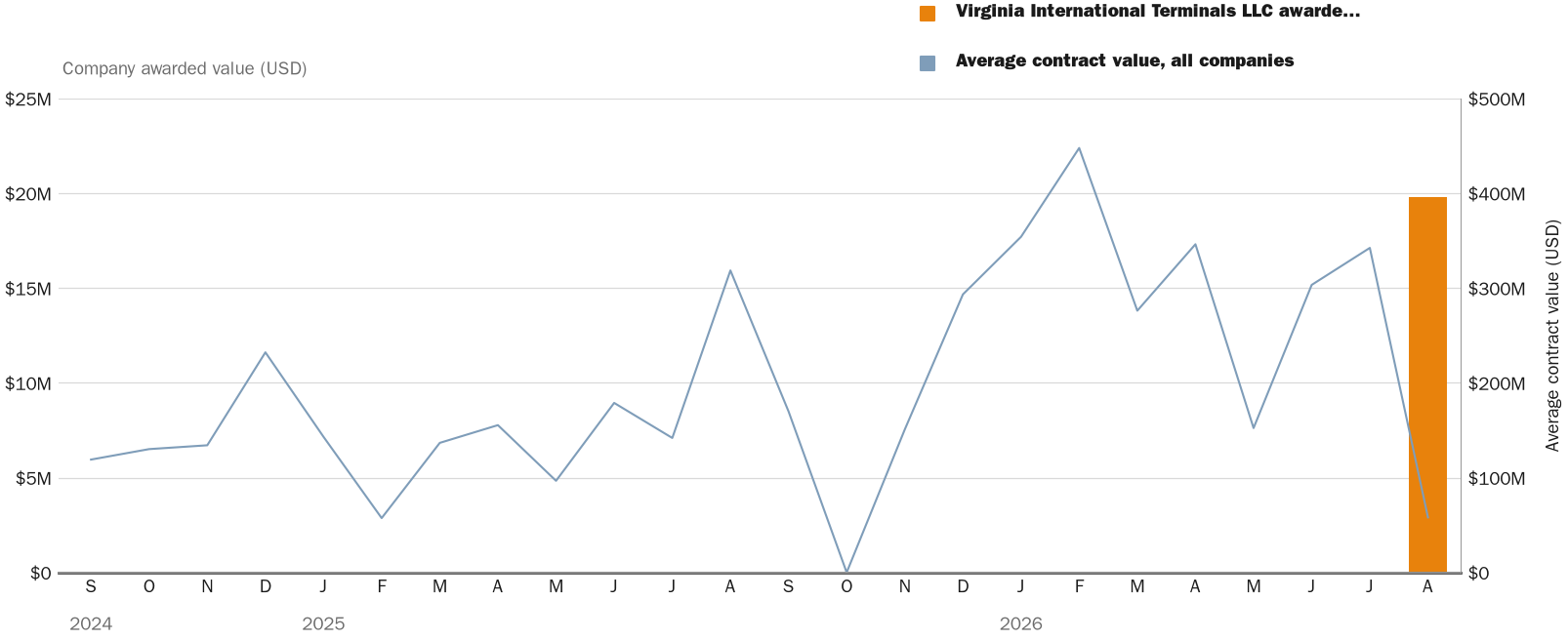
NORFOLK, VIRGINIA — Virginia International Terminals LLC, the non-profit affiliate that runs the Ports of Virginia, won a $19.8 million Navy contract for stevedoring and terminal services at the Hampton Roads harbor, as announced on war.gov.
The firm-fixed-price, indefinite-delivery/indefinite-quantity award carries a total cumulative face value of $24.7 million and runs through Aug. 20, 2031. Fiscal 2026 transportation working capital funds covering the full $19.8 million were obligated at the time of award. U.S. Transportation Command Directorate of Acquisition, Scott Air Force Base, Illinois, is the contracting activity.
The deal covers loading and unloading of military cargo at Virginia’s marine terminals, work handled by longshoremen who move breakbulk, roll-on/roll-off and containerized freight across the docks. Virginia International Terminals, a non-stock, non-profit company wholly owned by the Virginia Port Authority, has operated the port since the state created it in the early 1980s, according to portofvirginia.com. The company reinvests operating revenue directly into terminals, technology and equipment.
The award competitively drew four offers through the System for Award Management website. That competition matters for taxpayers, because open bidding pressures contractors to sharpen prices on a service the military must buy for years. The winner gains steady federal revenue, while rival stevedoring firms lose a multiyear stream of work.
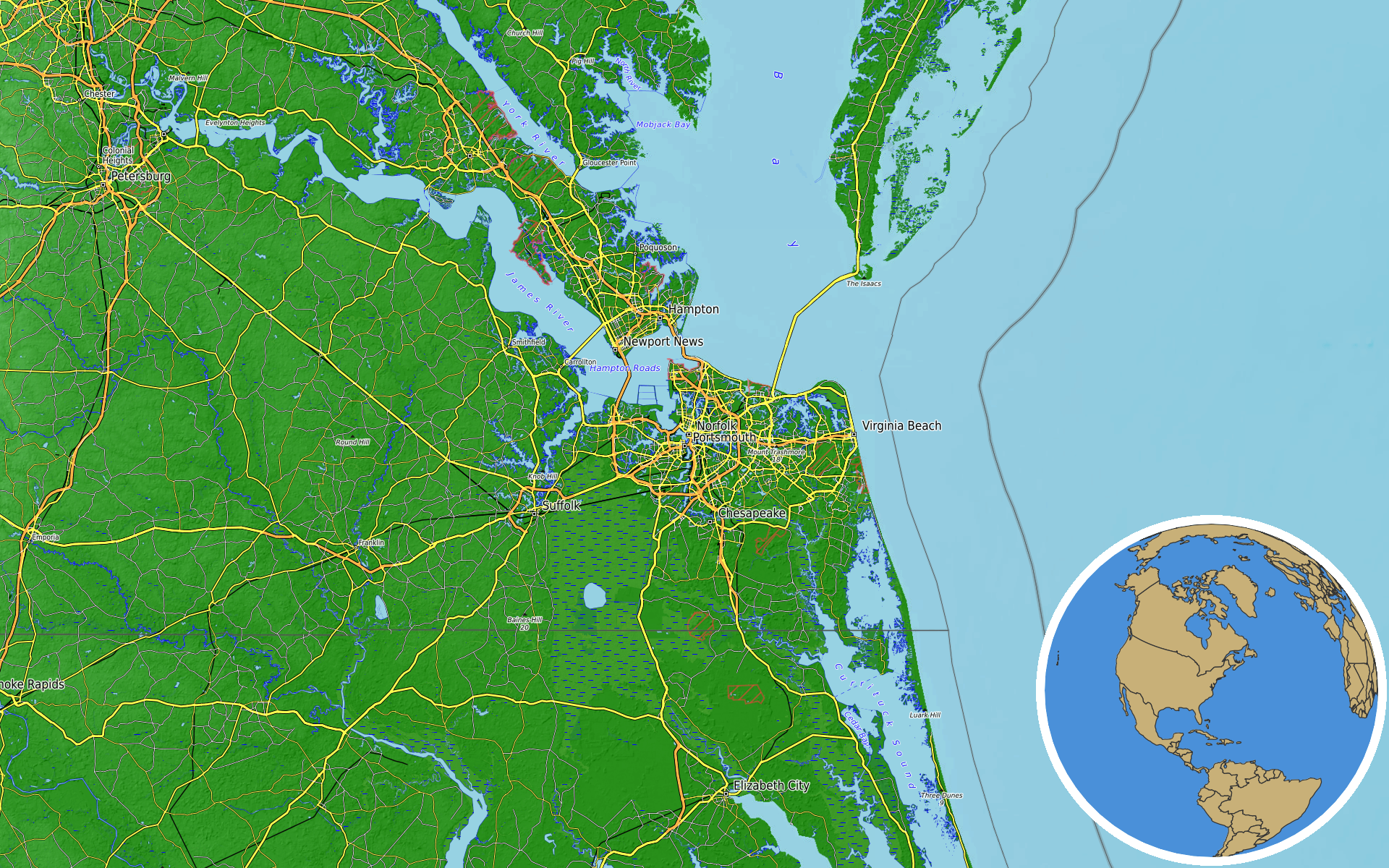
The Virginia Port Authority owns The Port of Virginia, a group of facilities centered on the harbor of Hampton Roads, according to portofvirginia.com. Its principal marine terminals include Norfolk International Terminals, Portsmouth Marine Terminal, Newport News Marine Terminal and Virginia International Gateway. Virginia International Gateway alone handles 1.2 million TEUs a year across 576 acres with 12 super post-Panamax cranes, according to freightforwarderservices.com.
Military cargo moving through Hampton Roads keeps equipment flowing to bases and overseas deployments, and the terminals that handle it sit beside some of the busiest commercial docks on the East Coast. For the average reader, smooth port operations translate into reliable supply chains and stable shipping costs for the consumer goods that travel through the same terminals.
This has happened before. The military routinely buys stevedoring capacity at the Ports of Virginia, and the port’s structure of public ownership paired with a single dedicated operator has anchored those contracts for decades, according to portofvirginia.com. The arrangement dates to the consolidation of Virginia’s terminals under one authority.
The next decision points rest with U.S. Transportation Command, which will issue individual task orders against the contract as cargo needs arise through the Aug. 20, 2031 completion date. A date for the first delivery order has not been announced.
Hampton Roads has anchored American sea power for centuries, and warships have gathered there in moments of crisis before. On March 8, 1862, the Confederate ironclad CSS Virginia steamed into Hampton Roads and sank the Union sloop Cumberland and the frigate Congress, killing more than 240 sailors, according to portofvirginia.com. The next morning the Union ironclad Monitor arrived and fought the Virginia to a draw in the first battle between armored warships. The clash ended wooden navies worldwide and reshaped the harbor that now moves military cargo under the new contract.

NewsFindr Chart Maker
Photo by NewsFindr Chart Maker
OpenTopoMap / Natural Earth – Norfolk, Virginia