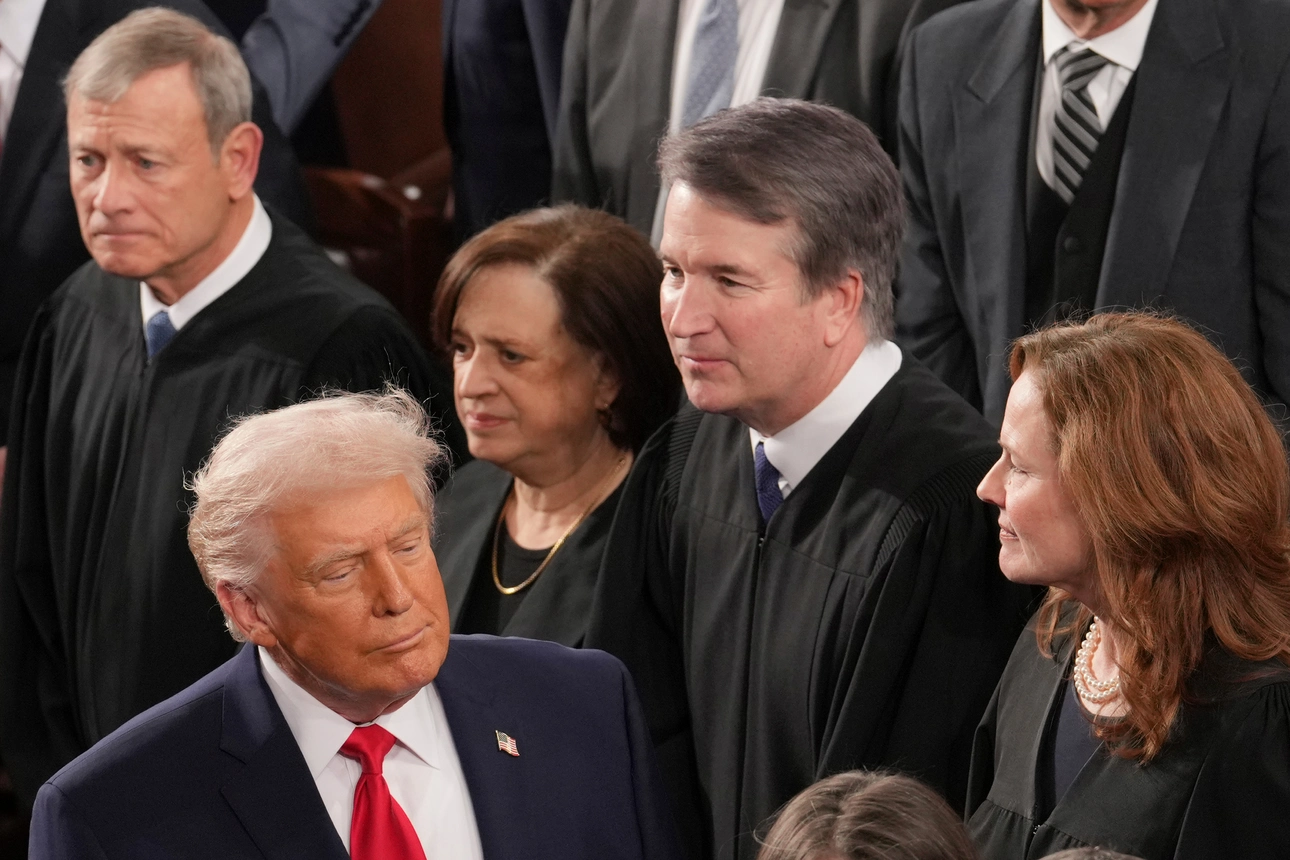
Supreme court clash defining the limits of presidential power in Trump’s second term
A series of landmark cases could reshape executive authority, testing the balance between the White House and the Constitution

NAIROBI, KENYA — A quiet but consequential battle is unfolding in Washington, where the U.S. Supreme Court now stands at the center of a national debate over the reach of executive authority. A series of closely watched cases tied to Donald Trump has brought renewed attention to a fundamental question, How powerful should the presidency be in modern America?
The cases before the Court are not isolated disputes but part of a broader legal reckoning over the limits of presidential action. They touch on issues ranging from immigration and citizenship policies to the president’s ability to dismiss officials in independent agencies and influence institutions traditionally shielded from political pressure. Together, they form a legal crossroads that could reshape how the executive branch operates long after Trump’s term.
At the heart of the matter is Trump’s assertive approach to governance. His administration has consistently argued that the president must have wide latitude to implement policies, particularly when carrying out campaign promises. Supporters frame this as a necessary correction to what they see as an unaccountable bureaucracy, insisting that elected leadership should have the authority to direct the machinery of government.
Opponents, however, view these efforts as a direct challenge to constitutional safeguards, warning that expanding executive power, risks undermining the balance carefully designed by the nation’s founders.
Lower courts have already delivered a patchwork of decisions, some pushing back strongly against the administration’s moves, while others have left room for broader presidential discretion. These conflicting rulings have heightened the stakes, placing pressure on the Supreme Court to draw a clear line. Whatever the justices decide will likely set a precedent that shapes not only Trump’s agenda but also the authority of future presidents.
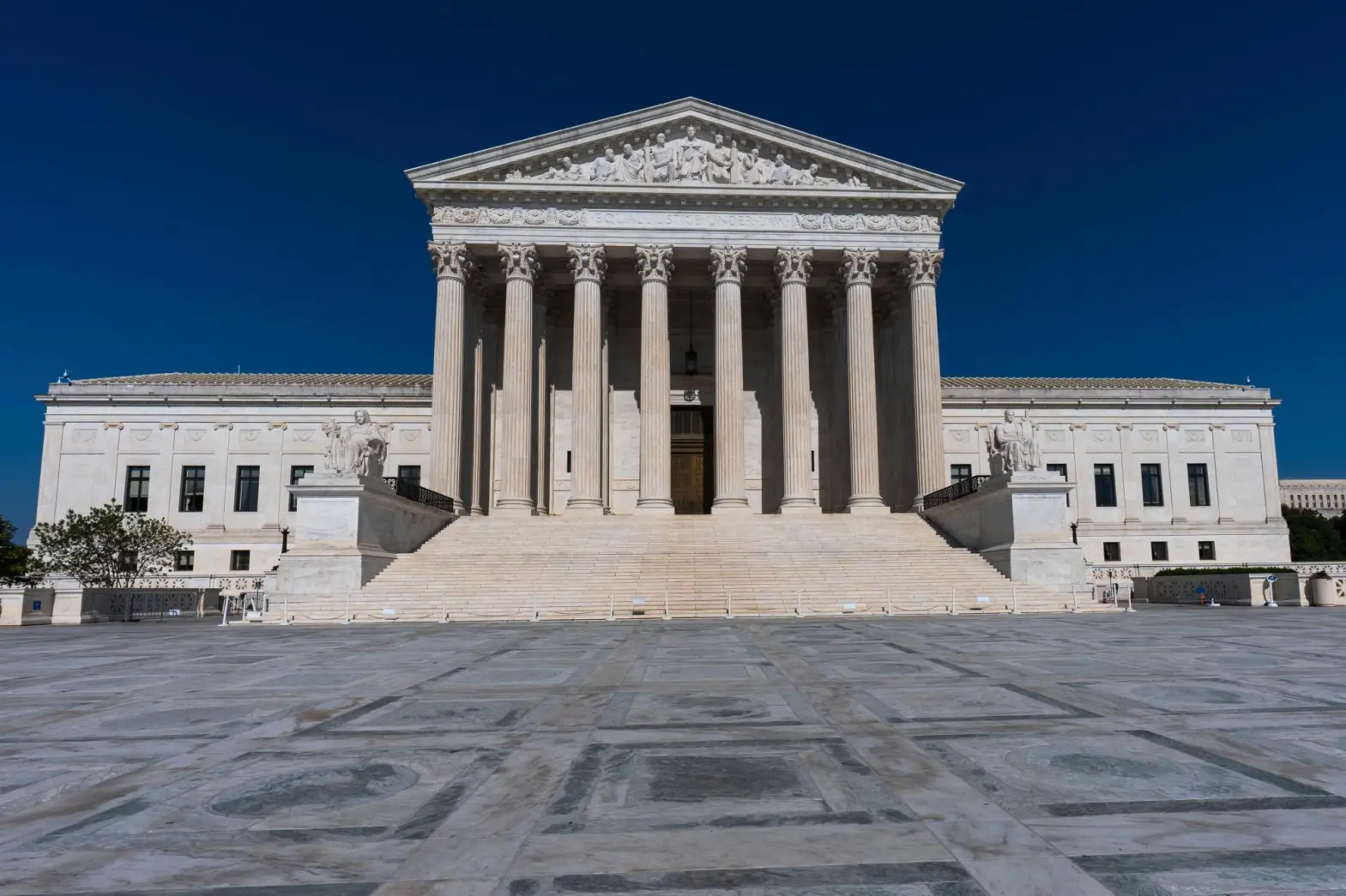

Supreme Court viewed in Washington, May 18, 2026. AP Photo by J.Scott Applewhite
The implications extend far beyond legal theory. A ruling in favor of expanded presidential powers could shift the balance of governance, allowing the White House greater control over federal agencies and policymaking. On the other hand, a decision reinforcing limits on executive authority could strengthen judicial oversight and reaffirm the role of checks and balances at a time when political tensions remain high.
“We'll always respect the Supreme Court, but we'll also keep fighting for what's right. If we don't win on one path, we'll find another way to achieve our goals within the law. That's what leadership is about, never giving up on the people who elected you," said President Trump in an interview.”
Ultimately, this is more than a legal dispute; it is a defining moment for American democracy. The conflict centers on whether the presidency should continue to evolve into a more dominant force capable of rapid action, or remain firmly constrained by institutional guardrails. As the Supreme Court prepares to weigh in, its decision will not only determine the outcome of these cases but also help define the future boundaries of presidential power in the United States.