U.S. House Passes Bipartisan Affordable Housing Bill
Measure aims to cut construction barriers, cap investor purchases amid national housing shortage and rising costs.

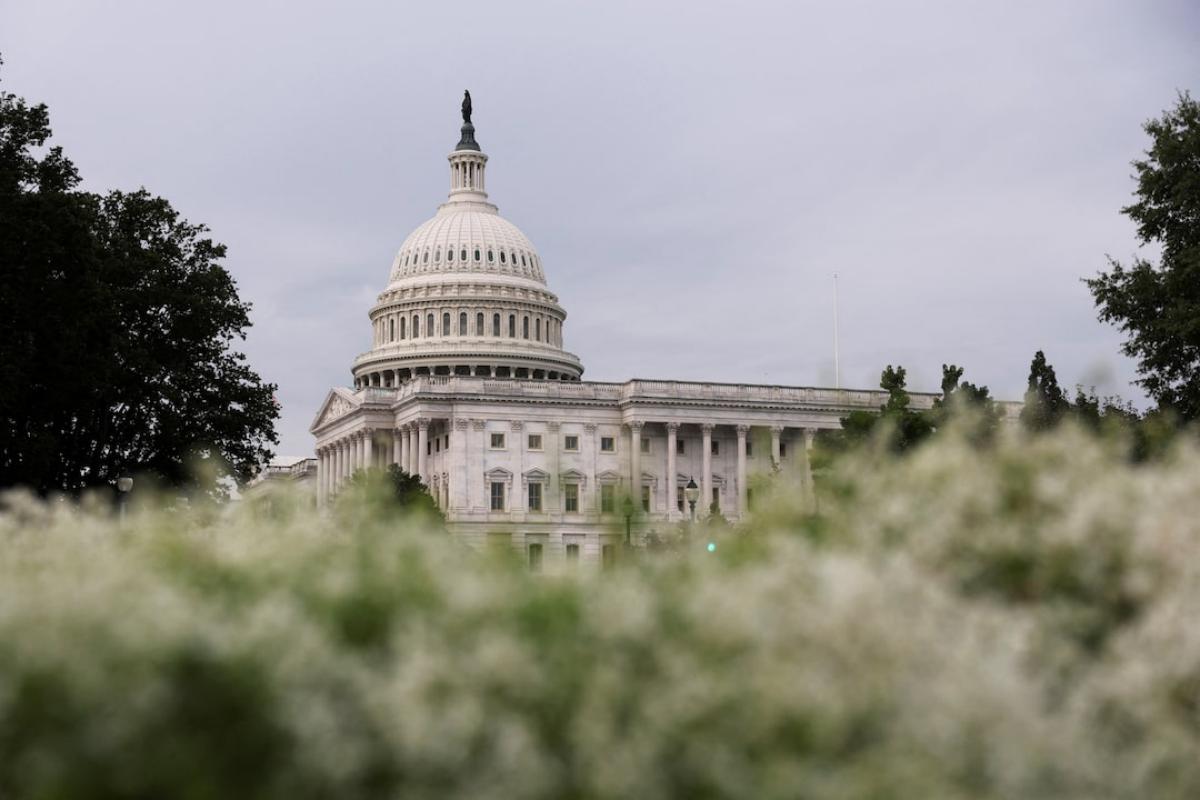
WASHINGTON — The gavel fell at 4:47 p.m. The House passed the most sweeping housing affordability legislation in a generation.
The final tally: 358-32. The Senate cleared the measure 85-5 a day earlier. The 21st Century ROAD to Housing Act now heads to President Donald Trump‘s desk. The White House signaled support. Trump is expected to sign it on Wednesday at the Capitol.
“America is facing a housing supply shortage that’s been years in the making,” said House Financial Services Committee Chairman Rep. French Hill (R-AR) during House floor debate.
The Arkansas Republican watched from the dais as the votes rolled in. He spent more than a year negotiating the compromise. Dozens of bills were combined into a single package. Alongside Ranking Member Maxine Waters[D-CA] and Senate counterparts Sen. Tim Scott (R-SC) and Elizabeth Warren (D-MA), Hill forged a rare bipartisan coalition.
“This is the first time in years that Congress has come together to make measurable, accountable changes to our housing laws,” said Hill during a House floor debate.
The U.S. faces a shortage of at least 4 million homes, according to industry estimates. Nearly half of renter households spend more than 30% of their income on housing. Rents have soared 47% since the pandemic. Mortgage rates remain elevated. Home prices have climbed 60% since 2019.
Lawmakers remain divided over how to ease the crisis. Progressives demanded aggressive restrictions on Wall Street investors. Conservatives resisted what they called federal overreach. The compromise reflects that tension.
The bill restricts institutional investors from buying more than 350 single-family homes per firm. It streamlines environmental reviews to speed construction. It ties federal Community Development Block Grant funding — a $3.3 billion program — to local housing construction rates. It expands financing for modular and manufactured housing. It codifies disaster recovery programs to expedite funds for communities rebuilding after hurricanes and wildfires.
“Housing affordability starts with supply; this bill makes meaningful progress toward building more homes and lowering costs for American families,” said Hill in a written statement issued by Hill’s Office.
All 32 “no” votes came from Republicans. Many belonged to the House Freedom Caucus.
“This is full of big government garbage and spending,” said Rep. Chip Roy (R-TX) in a public statement on social media after the vote.
Rep. Anna Paulina Luna (R-FL) led a last-minute revolt. She signed a letter with 24 colleagues vowing to oppose any Senate bills until the SAFE Act, requiring proof of citizenship to vote, was passed first.
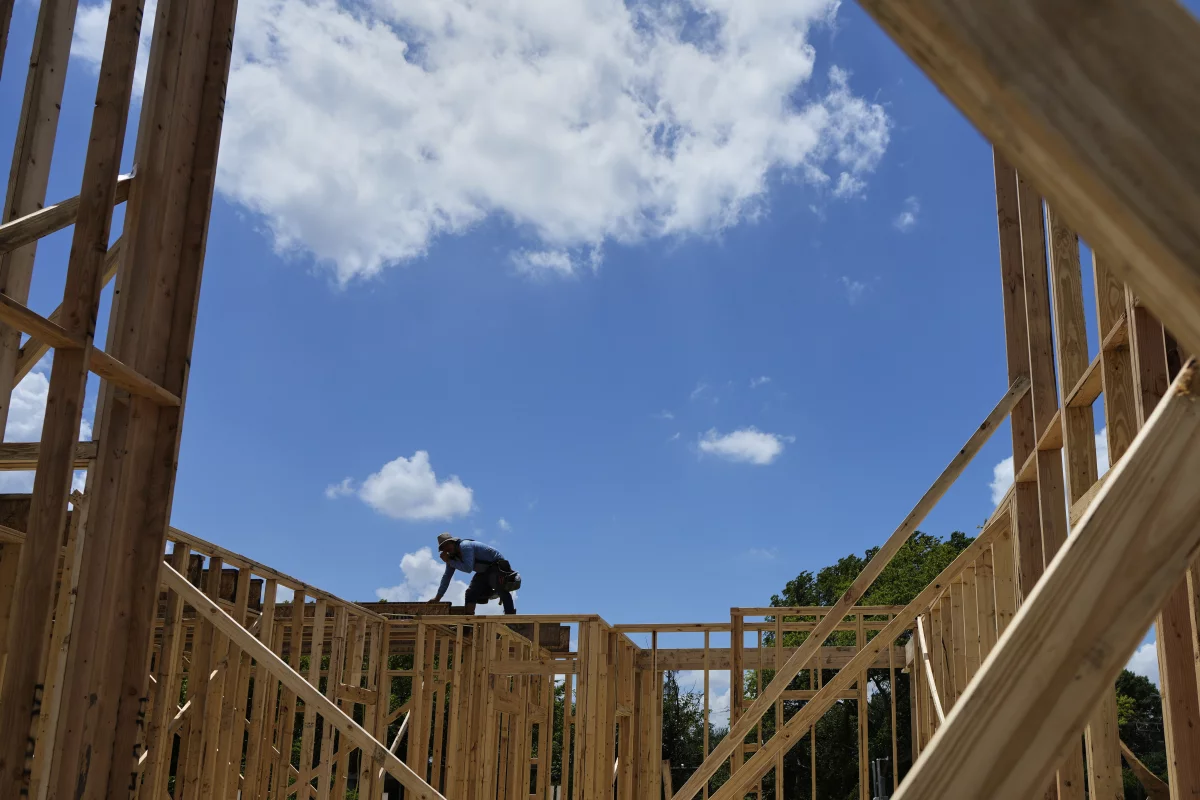

Workers build the roofing structure of a new home under construction in Richardson,Texas, July 15, 2025. Photo: Tony Gutierrez/AP
“The President should VETO the Senate ‘Housing’ Bill until they attach SAVE America,” said Luna on X.
The rebellion fizzled. Speaker Mike Johnson[R-LA] brought the bill to the floor under suspension of the rules. The measure required a two-thirds majority. It cleared with room to spare.
“The 358 vote speak for themselves. This isn't a Democratic bill or a Republican bill. It is an American bill. We still have work to do, but this is a significant step forward. The urgency is real, and Congress finally responded," said Rep. Jim Himes (D-CT). ”
Homebuilder, real estate, and mortgage-related stocks surged in trading following the bill’s passage. Investors bet on increased construction activity and streamlined regulations. For publicly traded homebuilders like D.R Horton and Lennar, the bill’s provisions cutting environmental reviews and expanding modular housing financing represent a tailwind.
“This is landmark legislation. It will help protect homeownership, improve affordability, and expand the supply of attainable housing the nation urgently needs,”said the National Association of Home Builders in a written statement issued by the NAHB.
Some analysts remain cautious. The cap on institutional investors could pressure firms that have acquired single-family rental properties. The provision requiring investors to cap holdings at 350 homes, softened from an earlier version that would have forced sell-offs within seven years, represents a regulatory shift.
The bill incorporates provisions from more than 60 pieces of legislation. Thirty-six were introduced with bipartisan sponsors. It represents a rare achievement in a Congress that has struggled to pass major legislation.
“This is a remarkable thing. In a Congress that can't agree on much, we found common ground on housing because the crisis is too big to ignore. Families are hurting. Rents are up. Homeownership feels out of reach for millions. When you have that kind of pain, you find a way to work together,"said Rep.Jim Himes.”
Trump is expected to sign the bill at the Capitol. The signing ceremony will mark the culmination of a year-long legislative journey.
“This bill will help build more homes to meet that growing demand and keep the American dream within reach,” said Hill during a House floor debate.
Whether it succeeds in closing the 4-million-home gap remains to be seen. The gavel fell. The House acted.