President Trump’s political gamble triggers bipartisan backlash
A widely supported housing reform bill stalls as the president ties its fate to controversial voting legislation, igniting tensions across Washington.

WASHINGTON — A rare display of bipartisan cooperation in Washington has unravelled after Donald Trump abruptly halted plans to approve a major housing affordability bill, insisting instead that lawmakers first pass stricter voter identification measures. The decision has drawn sharp criticism from both Democrats and Republicans, turning what had been a legislative breakthrough into a political standoff with far-reaching implications.
The housing bill, which had sailed through Congress with overwhelming support, was designed to address one of the most pressing economic concerns facing Americans today: the rising cost of housing. Lawmakers from both parties had championed the measure as a practical solution to expand housing supply, ease affordability pressures, and curb speculative practices that have driven up home prices in recent years. For many, it represented a rare moment of consensus in an otherwise divided political climate.
That sense of progress came to an abrupt halt when Trump withdrew his support for moving forward with the legislation. Rather than allowing the bill to proceed, he tied its fate to a separate and highly contentious issue of election reform. By demanding that Congress first pass stricter voter identification laws, Trump effectively transformed a policy initiative focused on economic relief into a broader political negotiation.
The reaction on Capitol Hill was swift and, notably, bipartisan. Democrats criticized the move as a cynical use of political leverage, arguing that it delays urgently needed relief for millions of Americans struggling with rising rents and homeownership costs. Some Republicans, while supportive of election reforms, also expressed unease at linking the two issues, warning that the strategy could undermine progress on housing and alienate voters concerned about affordability.
At the center of the controversy lies a deeper conflict between competing priorities. On one side are lawmakers and advocates who view the housing bill as an immediate necessity, emphasizing the real-world consequences of inaction. With housing shortages intensifying in many regions and affordability slipping further out of reach for first-time buyers, they argue that delaying the bill risks worsening an already fragile situation.
On the other side, Trump and his allies maintain that election integrity is a foundational issue that cannot be separated from broader governance. They frame the decision as a strategic effort to ensure that critical reforms are addressed simultaneously, presenting the move as a matter of principle rather than politics. By linking the two issues, they aim to increase pressure on Congress to act decisively.
The standoff has also exposed fractures within the political landscape. While partisan divisions remain sharp, the episode has revealed unexpected fault lines within both parties. Some Republicans have questioned whether the tactic risks overshadowing policy achievements, while some Democrats have voiced frustration at the derailment of a bill they had helped shape and support.
Beyond the immediate political fallout, the situation raises broader questions about how legislation is negotiated and advanced in Washington. The use of one policy area as leverage for another is not new, but the scale and visibility of this standoff have brought renewed attention to the practice. Critics argue that such tactics can erode trust and complicate efforts to address urgent issues, while supporters contend that they are sometimes necessary to break legislative deadlock.
As the impasse continues, the future of the housing bill remains uncertain. Some lawmakers have suggested alternative paths forward, including advancing the legislation independently or revisiting it through new negotiations. Others warn that prolonged delays could weaken the bipartisan support that initially propelled the bill through Congress.
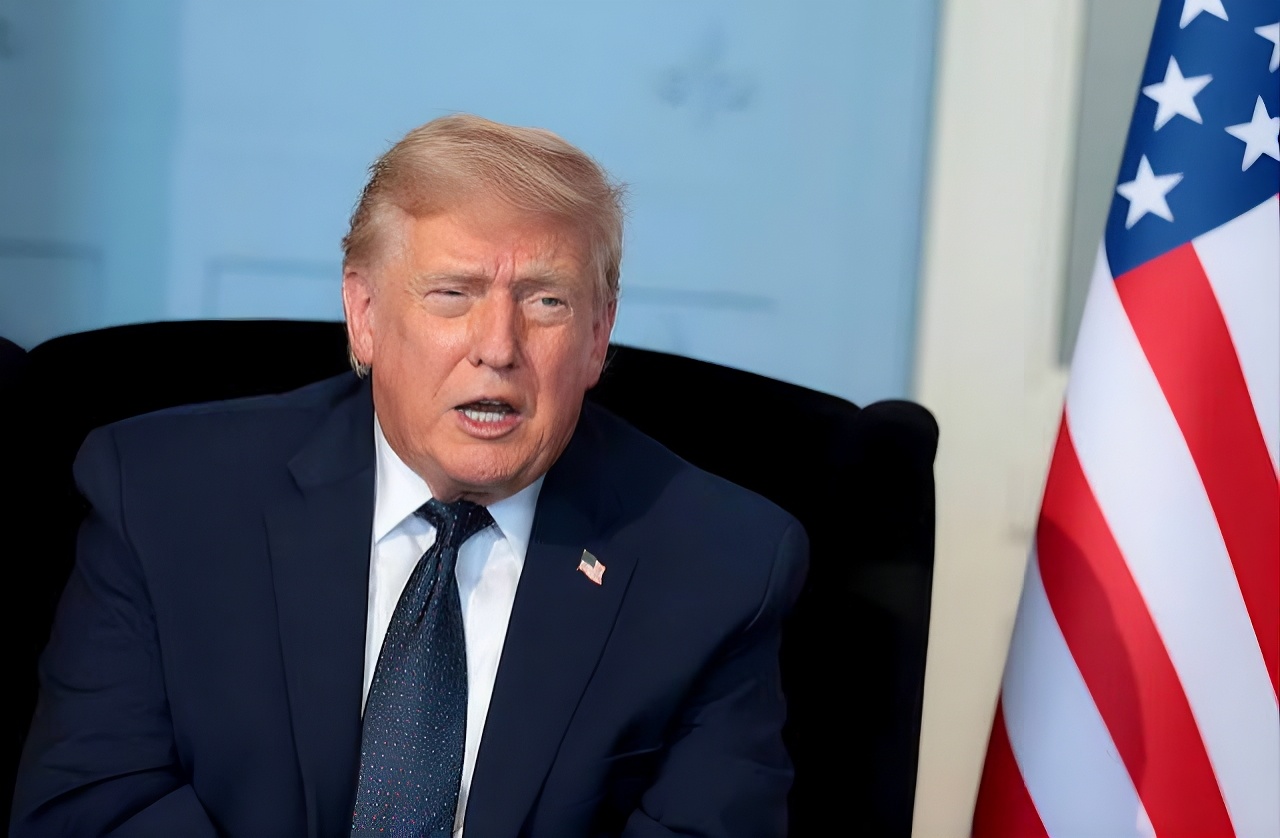

President Donald Trump at cabinet meeting in the Cabinet Room Washington, DC on August 26, 2025 at 7:42 PM. Photo: Chip Somodevilla/Getty Images. © Getty images
For now, what was once seen as a straightforward effort to tackle a nationwide housing challenge has become a symbol of Washington’s broader struggles. The intersection of economic urgency and political strategy has created a moment where competing priorities collide, leaving millions of Americans watching closely as leaders debate not just policy, but the terms under which it is delivered.
“I have tremendous support, really tremendous. People understand what we are doing. Sometimes leaders have to take strong positions, and not everyone is going to agree right away. But in the end, they'll see this is about protecting the country and making sure everything else works properly," said President Trump on a live interview.”
In the end, the outcome of this standoff may extend beyond the fate of a single bill. It could shape how future legislation is negotiated, how political leverage is applied, and how effectively government responds to the everyday concerns of the people it serves.