Trump Higher Education Crackdown Reshapes Colleges Nationwide
Visa restrictions, DEI rollbacks, lawsuits and funding battles create uncertainty across U.S. universities.
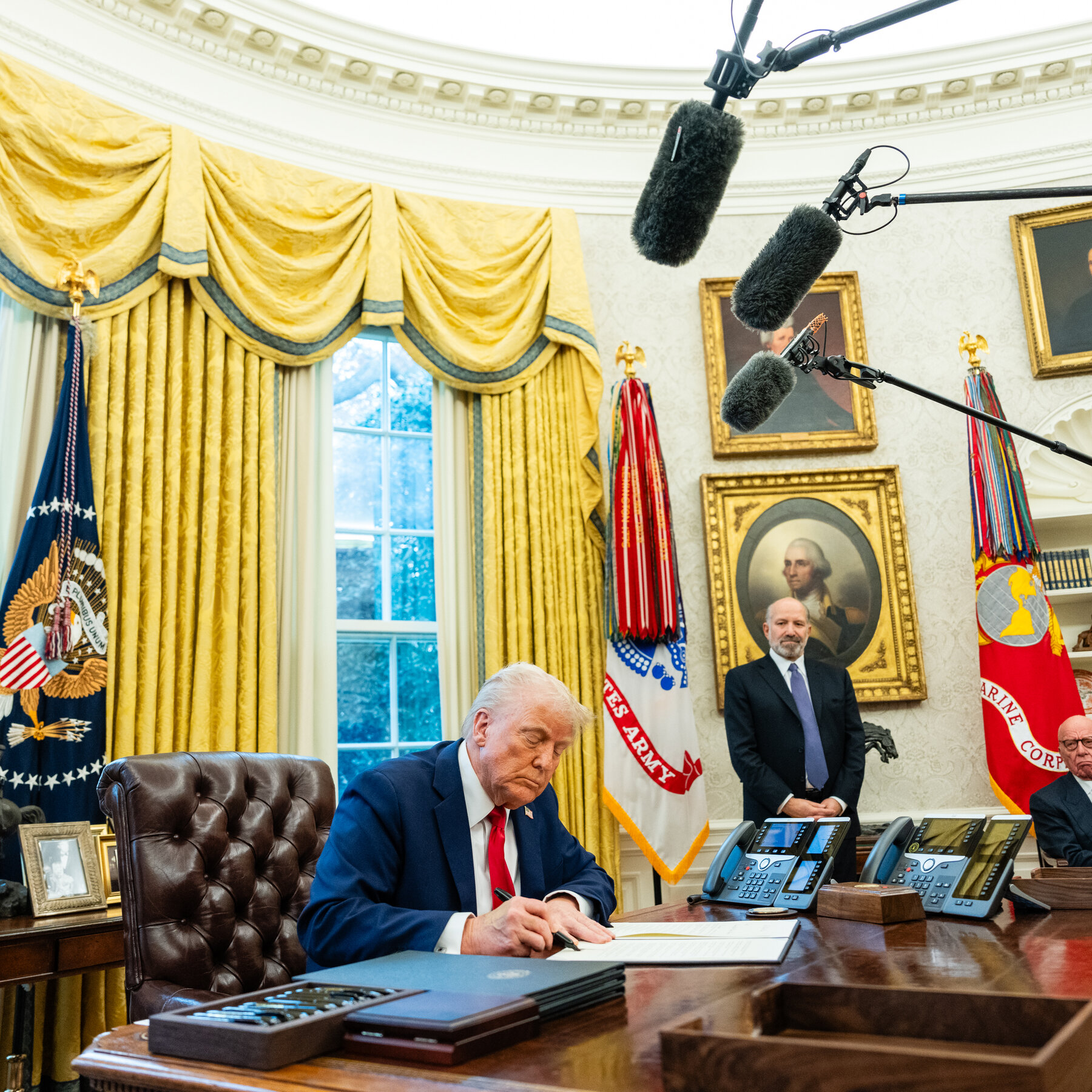
WASHINGTON — President Donald Trump has emerged as the focal point of a trend that’s changing higher education as colleges and universities in the United States are reevaluating diversity initiatives, reviewing international student policies, and facing increased pressure from a federal review. It has become a national political issue for students, professors, taxpayers, and research institutions.
This trend is reflected in the moves universities are making in response to federal pressure. Some institutions have curtailed or restructured diversity, equity, and inclusion (DEI) programs, or sued the government over its actions. International student programs are also being looked at more closely, leading to some uncertainty for colleges that rely on international students and their costs.
cvbcvb
Trump has said that colleges that take in substantial federal aid ought to be more accountable. He has also attacked institutions like Harvard, which, he has suggested, takes billions of dollars in taxes but doesn’t care about issues of campus culture and governance. His critics say the crackdown is inappropriate and will likely do more damage than good. Some critics have questioned the measures, claiming that they endanger academic freedom and institutional independence.
The battle is a sign of an emerging ideological schism regarding the role of higher education. But university administrators, faculty associations, and civil liberties activists say colleges should be allowed to create their own programs and conduct research free from political influence to meet the needs of a wide range of students. Those pushing for more federal regulation say that universities are now too detached from public scrutiny and deserve more accountability requirements if they are receiving public funds.
The impacts don’t stop in college. Students can have changes in academic programs, scholarships, and support services. International students may encounter other obstacles in securing visas and enrolling in U.S. schools. Local communities and businesses that benefit from universities for research, innovation, and the development of new skills are also interested in the results. Meanwhile, taxpayers have to ask themselves whether the federal government’s education spending is producing the desired results.
But the discussion is far from being over so far as lawsuits are concerned, and as universities try to modify their policies. Federal officials and university administrators today may have an impact on the next generation of campus culture, research funding, international education, and admissions. The issue now isn’t if a federal investigation will affect higher education; it’s how much?
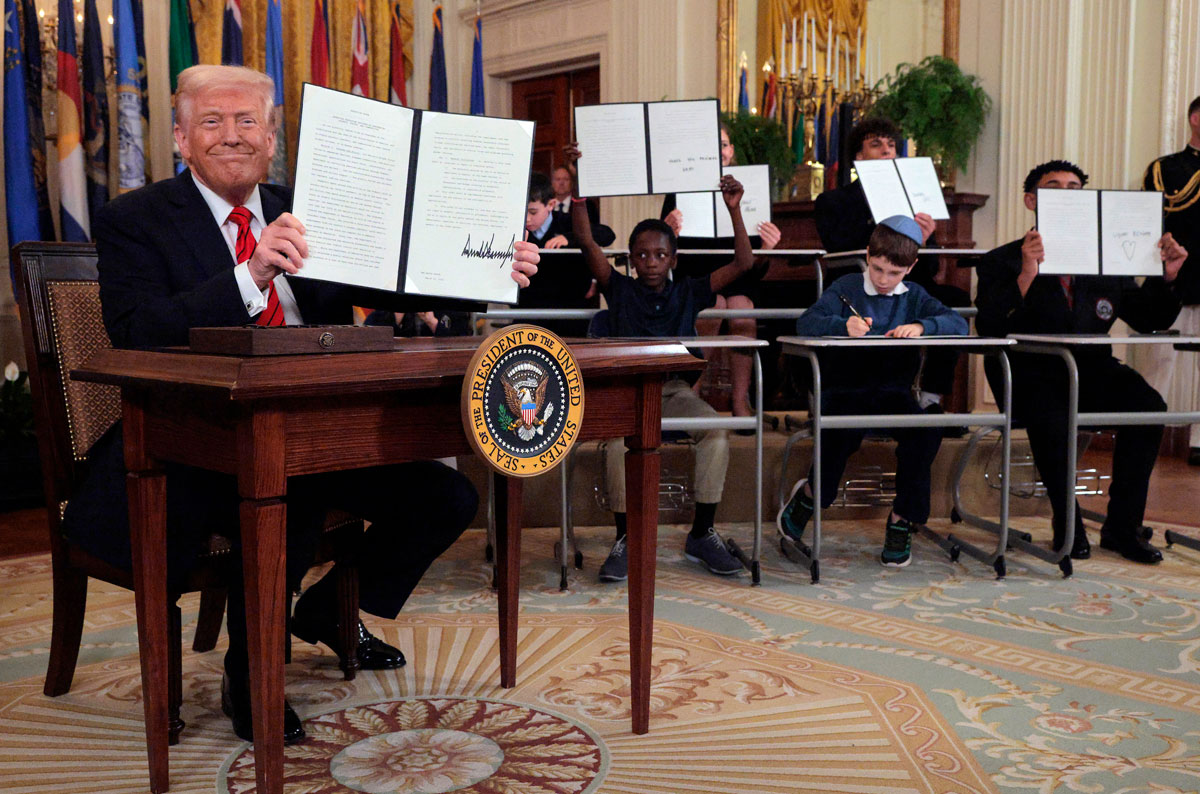

President Donald Trump and students display a signed executive order during a White House event in Washington, D.C., USA
Trump’s comments reflect the rationale behind an increasingly aggressive federal approach toward higher education institutions. His administration has argued that universities receiving substantial public funding should face greater accountability regarding diversity initiatives, campus governance, and the use of taxpayer dollars.
Critics, however, contend that the crackdown threatens academic independence and could discourage international students, research partnerships, and institutional innovation. As universities respond with lawsuits and policy changes, the dispute has evolved into a national debate over who should shape higher education policy.
The outcome could influence funding decisions, campus programs, and the future relationship between colleges and the federal government for years to come.