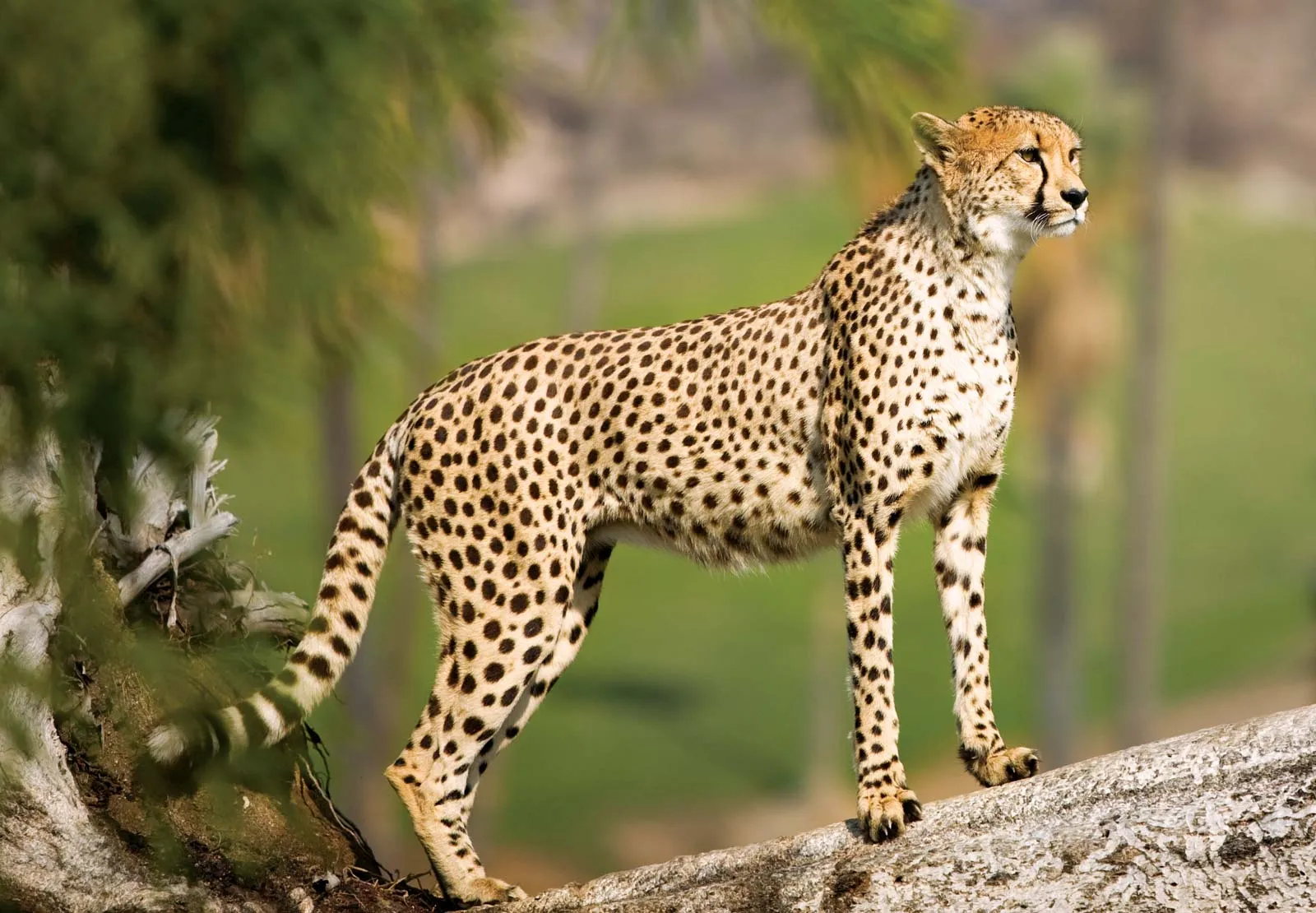
Cheetahs Return to India After 70 Years in Landmark Conservation Effort
Indian's ambitious conservation project marks the return of the world's fastest land animal, decades after the species disappeared from the country.

INDORE, INDIA — India's National Tiger Conservation Autority [NTCA] is facing growing pressure as the country’s ambitious cheetah reintroduction program enters a critical phase, with concerns rising over animal deaths, adaptation struggles and whether India’s habitats can sustain the species in the long term.
For officials, the project was meant to symbolize hope and the return of a species declared extinct in India more than seventy years ago. Instead, it has become a test of whether modern conservation efforts can balance scientific ambition with animal welfare.
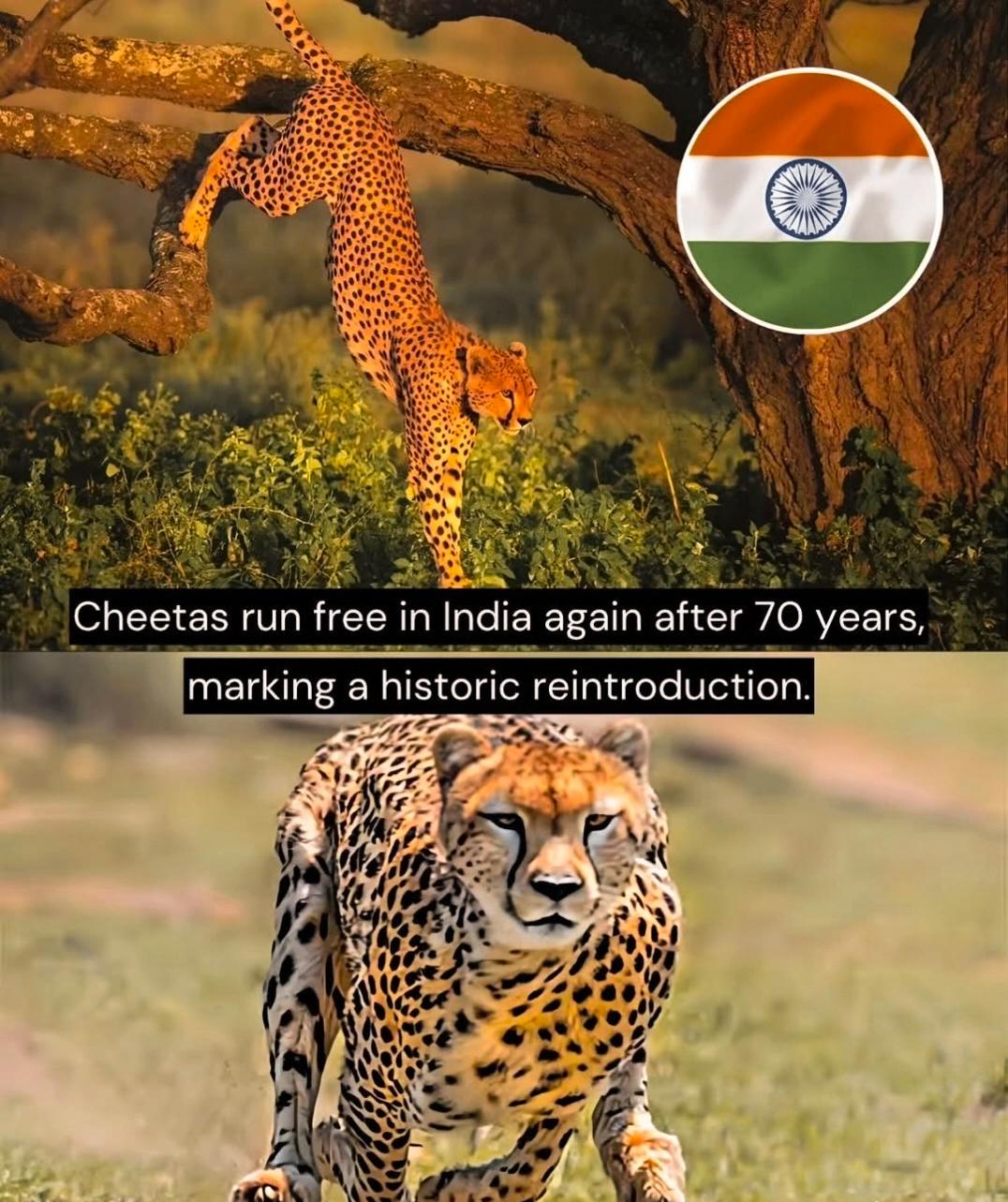

Cheaters running free in Kuno National Park ,Madinya Pradesh ,India, September 17, 2026. Photo: Brent/Stirton. ©2022 Getty Images
The cheetah reintroduction project was launched to restore ecological balance and revive a species that disappeared from India in 1952. Cheetahs from African countries were relocated to selected Indian reserves in a move celebrated by conservationists as one of the most significant wildlife restoration efforts in recent history. The project generated excitement nationally and internationally, with supporters calling it a landmark achievement.
“Wildlife restoration projects are long-term efforts and occasional setbacks should not be mistaken for failure,” said DR.SP Yadav a director genery and member of NTCA.
But as the animals settled into their new surroundings, challenges began to emerge. Deaths of some relocated cheetahs sparked public concern and criticism from wildlife experts and animal rights groups. Questions also surfaced about whether the animals were adapting successfully to unfamiliar environments and whether existing habitats would support future populations.
The conflict now places conservation authorities and critics on opposite sides. Supporters insist that large scale wildlife restoration projects naturally involve risks and require time before results can be judged fairly. Critics argue that the welfare of the animals and habitat limitations should receive greater attention before expansion continues.
The stakes extend beyond wildlife numbers. Success could strengthen India’s reputation as a leader in global conservation and inspire similar projects worldwide. Failure could damage public trust and raise ethical concerns over relocating vulnerable species
India’s cheetah program exists within a broader global movement aimed at restoring endangered and extinct wildlife populations. Conservation projects around the world increasingly rely on relocation and reintroduction efforts, but many continue to face difficult questions about long-term sustainability and ethical responsibility.
As India’s cheetah experiment becomes a model for future wildlife restoration or a cautionary lesson in the complexity of bringing a lost species back home.