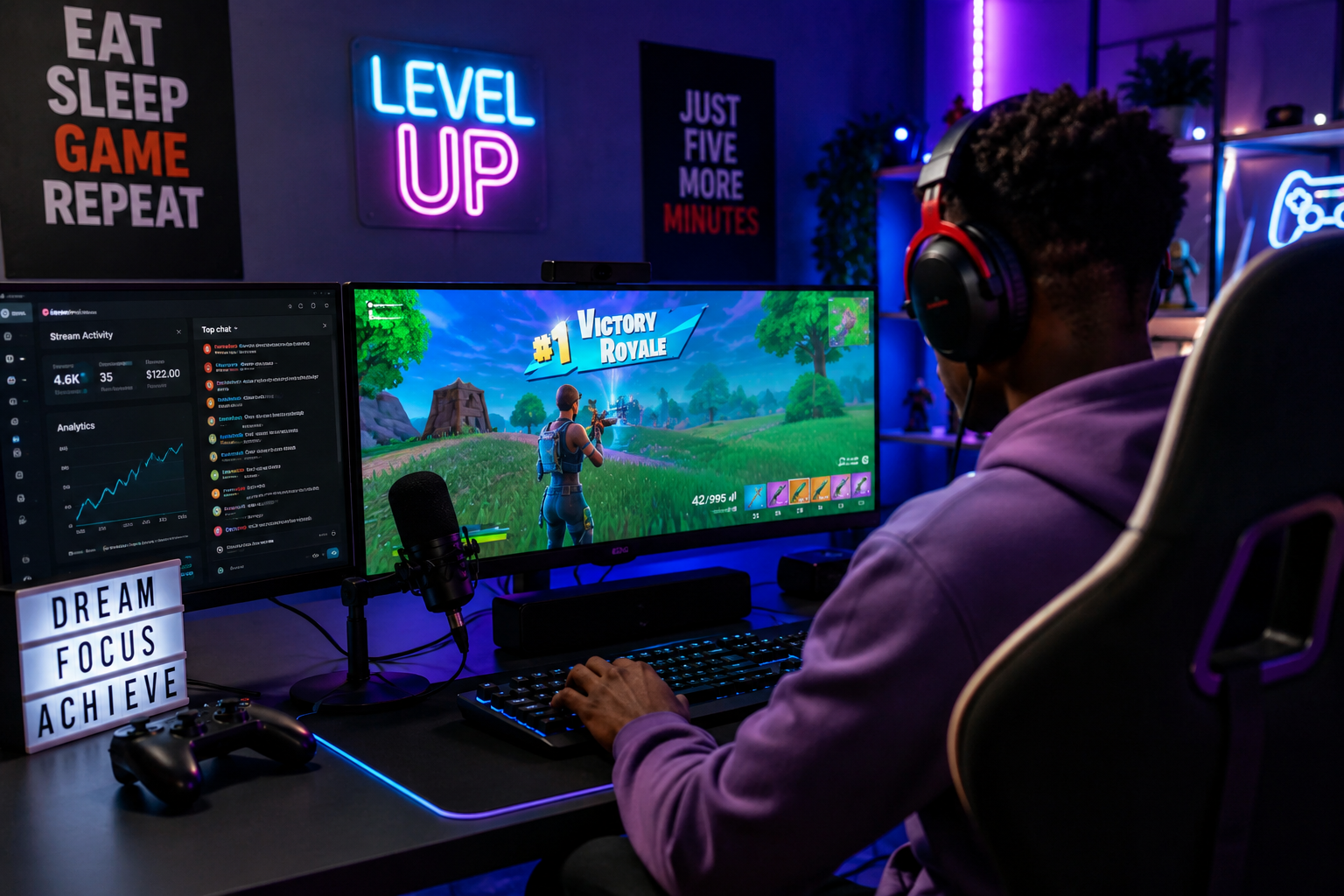
The Growing Reality of Gaming as a Career
From hobby to profession: exploring how gaming is creating new job opportunities for the youth.

NORTH, VIRGINIA — When 17-year-old gamers packed an arena to compete for prize money worth thousands of dollars, it became clear that video games were no longer just a pastime. Across the world, competitive gaming, live streaming, and online content creation are opening doors to careers that barely existed a decade ago.
What was once seen as a distraction from school or work is now generating income for professional players, streamers, game developers, and digital creators, raising a new question for parents, educators, and young people alike
The shift is gaining attention from parents, schools, and employers who are beginning to recognize the economic potential of the gaming industry. Universities in several countries now offer esports scholarships, while professional gaming organizations recruit talented players much like traditional sports teams scout athletes.
Brian Otieno represents a generation that has grown up with digital technology at its fingertips. The 18-year-old student first began playing video games on a mobile phone borrowed from a family member and quickly developed a passion for competitive gaming. Friends describe him as determined and curious, often spending hours learning new strategies, watching professional players, and improving his skills.While he still prioritizes his education, Brian Otieno believes the gaming industry offers opportunities that previous generations never had. His story reflects the hopes of many young people who see video games not simply as a source of entertainment but as a platform for creativity, community, and potential career growth.
The video game industry has grown into a massive global economy worth well over 180 billion dollars annually, supported by more than 2 billion players worldwide, according to industry reports such as Statista. This rapid expansion has created a wide ecosystem of careers that did not exist a generation ago, including professional esports players, streamers, content creators, game developers, and event organizers.
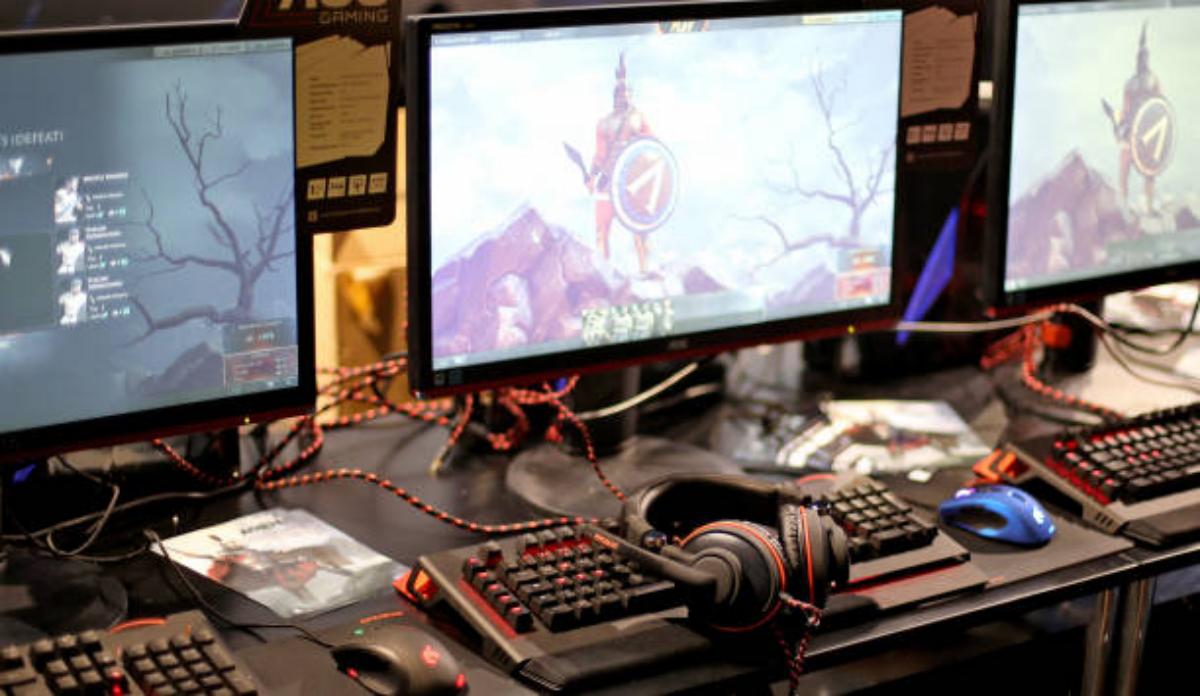

Cumputers set up and waiting to be played at the computer game festival on 22 January 2016(1)
Competitive gaming has become especially significant, with esports tournaments now offering prize pools worth millions of dollars and attracting sponsorships from major global brands, while top players train full-time much like traditional athletes.
At the same time, platforms like YouTube and Twitch have turned everyday gamers into digital entrepreneurs, where successful creators earn income through advertisements, paid subscriptions, donations, and brand partnerships, sometimes building audiences that rival mainstream television.
While the rise of video games as a career path is creating new opportunities for millions of young people, it is also fueling strong resistance from educators, parents, and critics who question whether gaming can truly offer stable, long-term employment. Many schools still prioritize traditional careers such as medicine, law, engineering, and business, viewing gaming as a distraction that can interfere with academic performance and future job security.
Parents, in particular, often worry that excessive gaming may lead to addiction, reduced social interaction, and wasted study time, especially in regions where stable jobs are already difficult to secure. On the other hand, supporters of the trend, including professional gamers, esports organizations, and digital content creators, argue that gaming is a legitimate modern industry that rewards skill, creativity, and consistency, offering real income opportunities through tournaments, streaming platforms, sponsorships, and game development.
To understand the debate more clearly, different voices from education, industry, and the gaming community highlight the tension behind the growing trend. A secondary school teacher in Nairobi notes that while some students show impressive digital skills through gaming, many become overly distracted, spending long hours playing instead of focusing on their studies and future academic paths.
From the industry side, an esports coach argues that gaming has become more structured and professional, pointing out that dedicated players now follow training schedules, join competitive teams, and earn income through sponsorships and tournaments, much like athletes in traditional sports.
Looking forward, analysts suggest that the industry will continue expanding as digital entertainment grows and more institutions begin recognizing esports and game development, but they also caution that success remains highly competitive and uncertain, raising an ongoing question of whether gaming will become a stable career path for the many or only a successful few.