Egypt coach’s message to Iran shows football’s power beyond politics
Ahead of a decisive World Cup clash, Egypt's coach backs Iran, highlighting how football can unite rivals amid regional tensions.
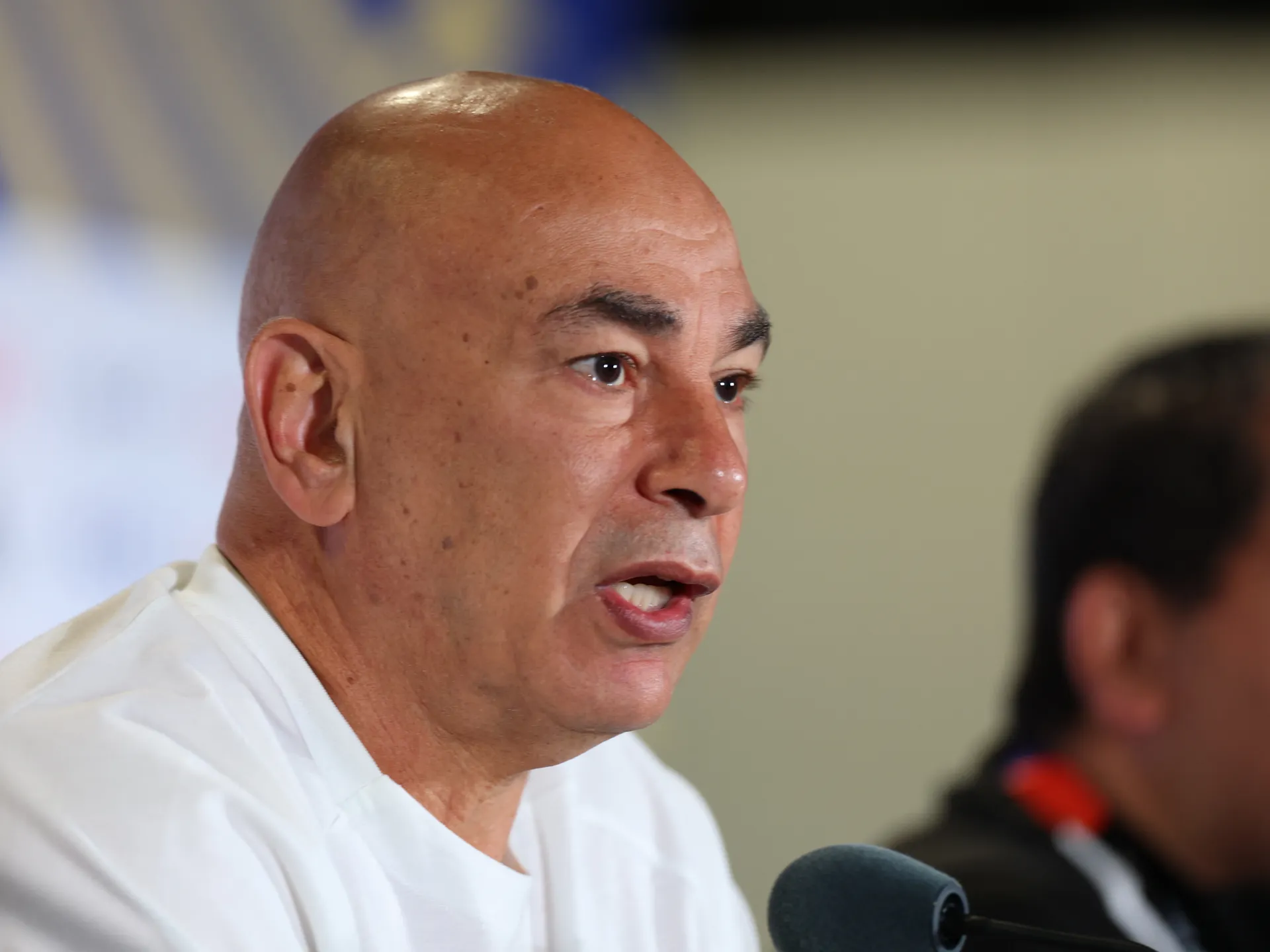
ARLINGTON, TEXAS — The press conference room erupted with questions about tactics, lineups, and the pressure of the World Cup, but Hossam Hassan chose to go elsewhere with his words. The national team coach took a moment to express his support for Iran as Egypt prepares for its own campaign, which will take place amid regional tensions.
Hassan said that from a man’s point of view, who has been around the game for decades and knows that players have things to carry away beyond the scoreboard. At that moment, Hassan reminded the football world that compassion and competition could go hand in hand, even on the sport’s biggest stage.
Football, for Hassan, is more than just about winning matches. Fierce determination and relentlessness, hallmarks of the former Egyptian striker’s playing days, are now transferred to leadership. He is motivated by coaching Egypt with pride and to inspire a new generation to play.
But coaching has other pressures. Each decision is judged by supporters, the media, and football officials, and each result defines the public opinion. In addition to tactics and training sessions, Hassan has to ensure that his team is cohesive, focused, and emotionally ready in one of the world’s most challenging sporting environments.
In the face of the growing intertwining of politics and global affairs with international sport, that task is now more difficult. Iran was playing its World Cup final in a match watched by millions, and by publicly showing support for football, Hassan was voicing his opinion that it is a unifying factor, not a dividing one. His comments were applauded by those who saw sport as a tool to unite people, but criticized by others as evidence of coaches focusing on their own teams.
Hassan has bought into that dichotomy, declaring that an appreciation of opponents and empathy towards fellow professionals fortifies the values that football ought to uphold. He’s a leader who believes in defining character not just by winning, but by being human.
Hassan’s way of working extends beyond the confines of Egypt’s dressing room. A successful World Cup increases engagement among soccer fans, attracts commercial investment, enhances sponsorship opportunities, and boosts soccer’s image in Egypt worldwide. More importantly, his message has brought to the supporters’ minds that football has a way of transcending the ninety minutes between matches.
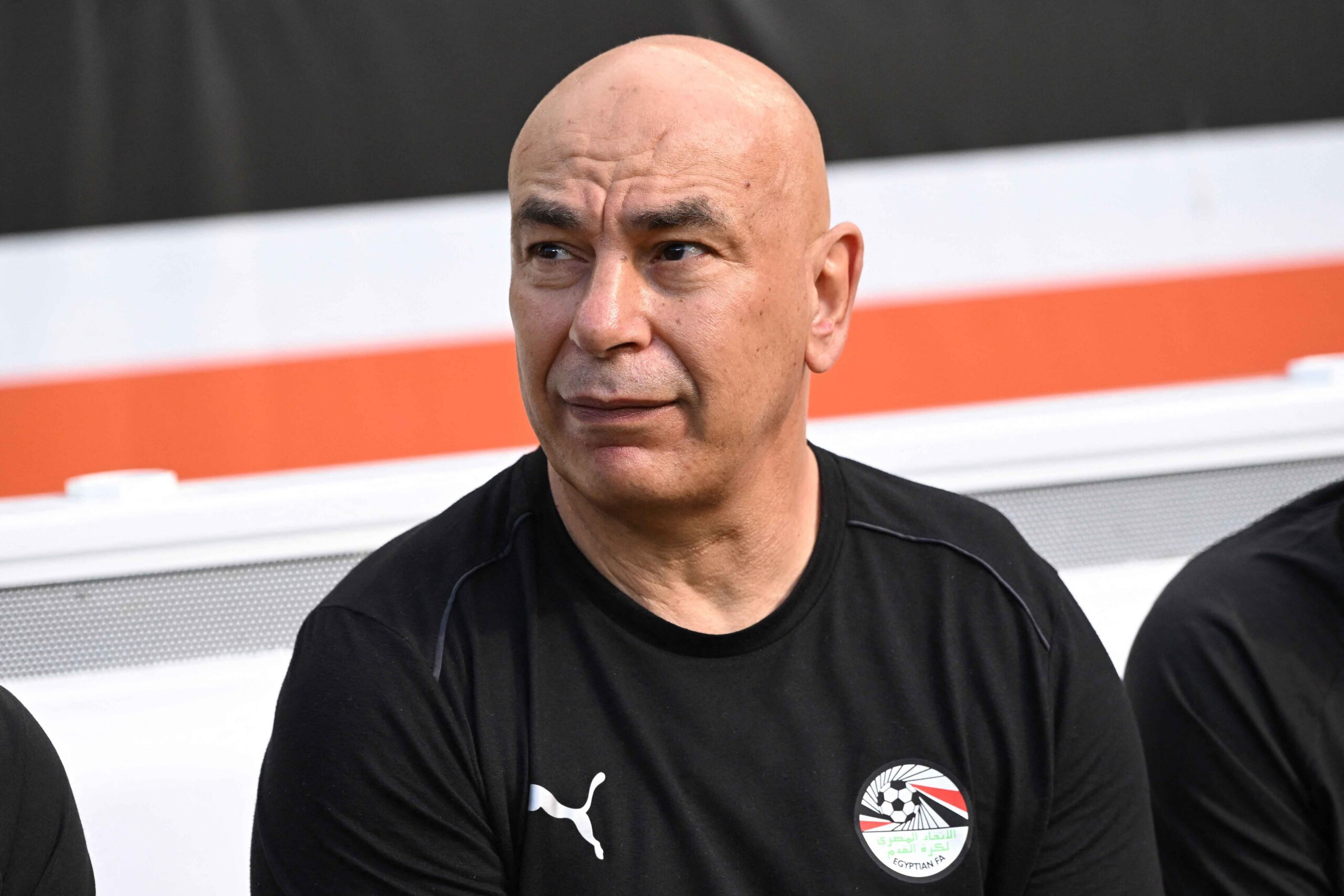

Hossam Hassan attends a press conference in Houston, Texas, USA.
As the tournament moves forward, Hassan will be looking to secure more wins and trophies for Egypt, but perhaps the legacy he will leave is even bigger: the ability to be a leader in the face of the unity spreading throughout the world around the game.
Hossam Hassan‘s remarks reveal the reasoning behind one of his most important decisions as Egypt’s head coach: building a squad based on trust rather than relying solely on star players. His confidence in every member of the team reflects a leadership philosophy centered on unity, depth, and collective responsibility. With Egypt aiming to progress further in the World Cup, Hassan appears committed to rotating his squad when necessary while keeping the team competitive.
As the tournament unfolds, his legacy may be defined not only by results but also by creating a resilient team capable of succeeding together, regardless of who takes the field.