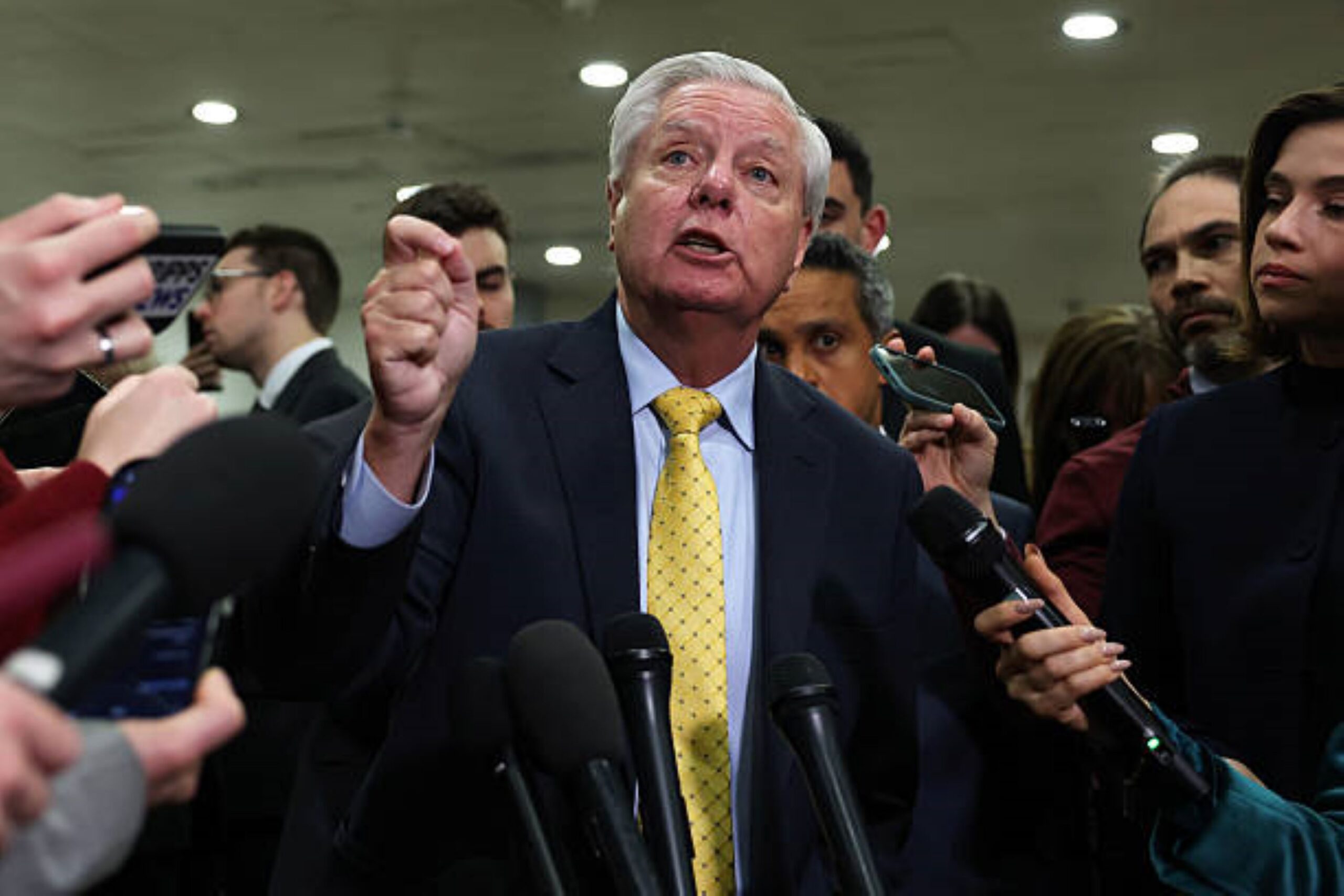
Republican Senator Lindsey Graham dies suddenly, leaving political vacuum
The longtime senator and key Trump ally passed away at 71, triggering uncertainty within Republican leadership and U.S. foreign policy circles.

WASHINGTON — U.S. Senator Lindsey Graham, a central fixture of American politics for over three decades and one of the Republican Party’s most influential foreign policy figures, died suddenly on Saturday evening, July 11, 2026, at the age of 71.
The District of Columbia medical examiner’s office released preliminary findings on Sunday confirming the cause of death as an aortic dissection described as a sudden rupture of the body’s main artery stemming from underlying arteriosclerotic cardiovascular disease. Emergency personnel were dispatched to his Capitol Hill home at approximately 8:30 p.m. Saturday following a report of chest pains, where they attempted CPR before transporting him to an area hospital.
The lawmaker’s death stunned Washington, as Graham had shown no public signs of illness and had just returned hours earlier from an official diplomatic visit to Kyiv. On Friday, July 10, he met with Ukrainian President Volodymyr Zelenskyy to discuss wartime strategy and Russian sanctions, marking his several visits to the country since the conflict began.
Tributes have highlighted his long tenure in public service, as well as his ability to build relationships across party lines, even during periods of intense partisanship. Allies have described him as a loyal figure within Republican ranks, while critics have pointed to the changes in his political stance over time.
First elected to the House during the 1994 “Republican Revolution” and later to the Senate in 2002, Graham built a reputation as one of Washington’s most formidable foreign policy hawks. An Air Force veteran who served 33 years in active and reserve capacities before retiring as a colonel, Graham consistently advocated for robust U.S. international engagement and military readiness.
He was an unwavering defender of the U.S.–Israeli alliance and a vocal critic of the Iranian regime. Following the news, Israeli Prime Minister Benjamin Netanyahu and Ukrainian President Zelenskyy mourned him.
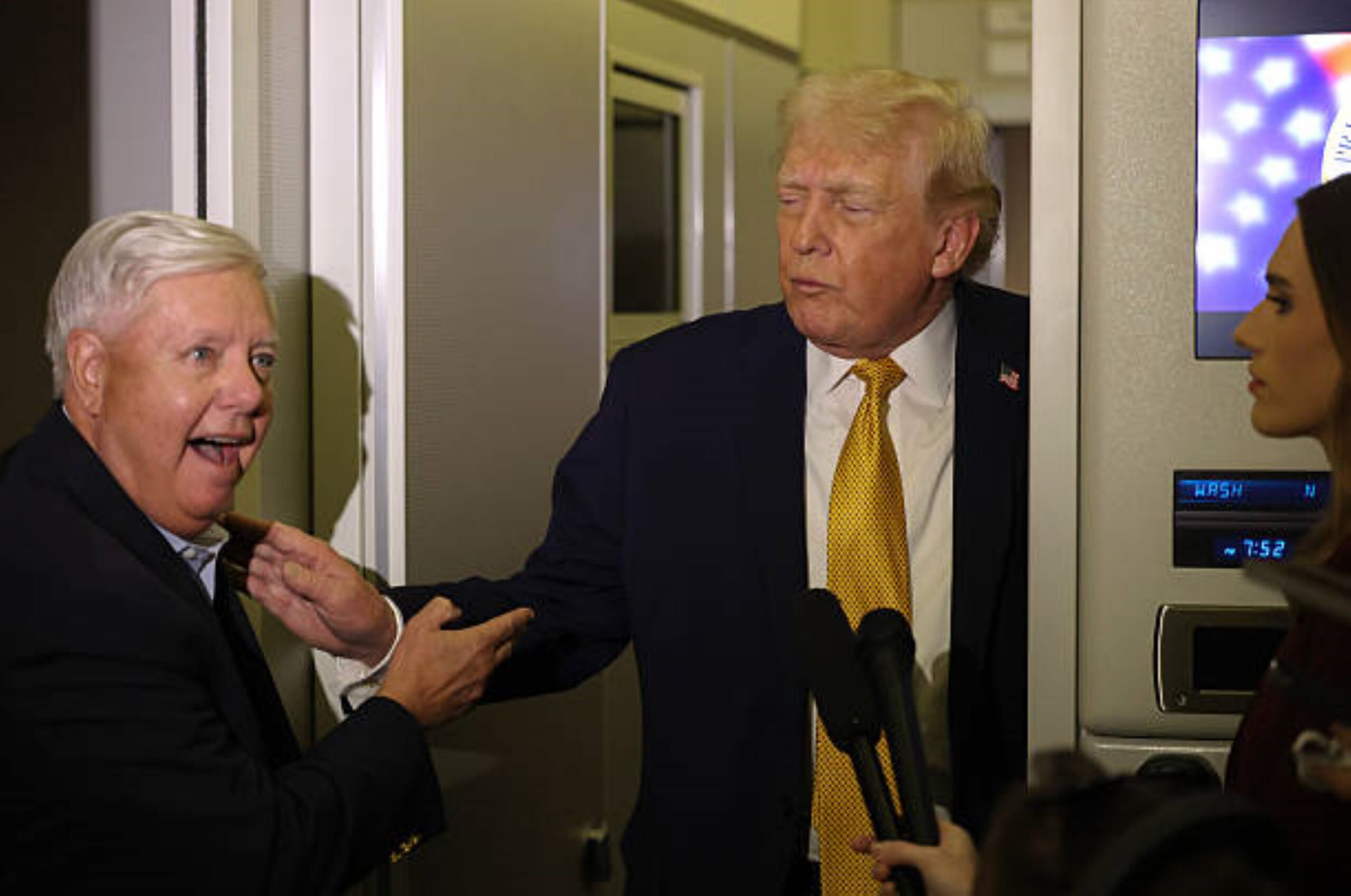

President Donald Trump (right) and Senator Lindsey Graham (left) exchange a gesture in Washington, DC, on January 4, 2026 at 6:59 PM. Photo: Joe Raedle/Getty Images. © Getty Images.
Domestically, Graham’s political career was defined by its pragmatism and evolving alliances. Originally a close confidant to the late Senator John McCain, Graham went from a fierce 2015 primary critic of Do nald Trump t o one of his most influential defenders on Capitol Hill, notably championing the appointment of conservative judges and voting against Trump’s 2021 impeachment conviction.
“Well, it's a big loss. There's no question. Lindsey understood strength. He believes in a strong America, and so do I. We have a lot of very talented people, but replacing someone like him is not easy. We'll continue to be strong, very strong. And he brought a lot of experience that's hard to replicate," said President Trump in an interview as he mourned the late senator.”
At the time of his death, Graham was running for a fifth Senate term, having comfortably secured the Republican nomination just weeks prior in June. His passing opens up a significant legislative vacancy ahead of a compressed congressional work period.