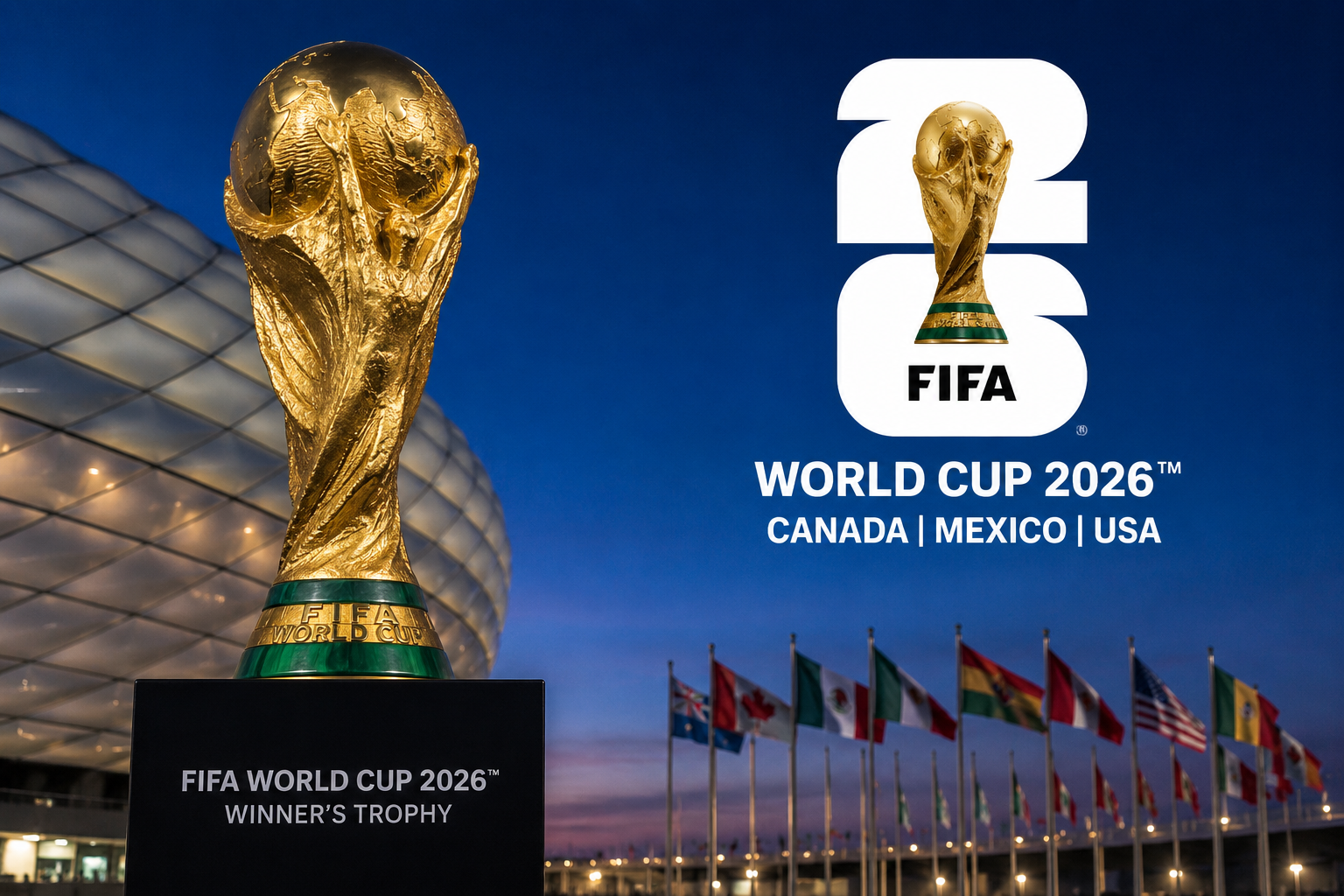
2026 World Cup Rules Shake Up Football as FIFA Unveils New Tournament Regulations
Expanded 48 team format and updated competition rules could reshape the race for football's biggest prize

AT — A new era of international football begins in 2026 as FIFA introduces groundbreaking World Cup regulations, expanding the tournament to 48 teams and redefining the battle for the sport’s most coveted trophy across North America. As countdown clocks tick toward kickoff, Gianni Infantino carries the weight of a gamble that could redefine football’s future. The expanded 2026 World Cup is not just a format change. It is a test of his belief that the world’s game can welcome more nations without losing its competitive edge. Every packed stadium, logistical challenge, and historic first will be measured against that vision. Through Infantino’s eyes, the tournament is a chance to open football’s biggest stage to countries that once stood on the margins, while proving that growth and tradition can coexist under the brightest spotlight in sports.
“The biggest benefit is a better football experience. We want more active playing time, clearer decision-making, and a game that flows naturally. Fans will have a competition that showcases the best of football with a few interruptions as possible," said Arsene Wenger, a legendary French football manager and former player.”
The battle over FIFA’s new World Cup rules extends far beyond boardrooms and press conferences. On one side stands FIFA, championing a larger tournament designed to give more nations a seat at football’s most exclusive table. On the other hand are players, managers, and critics who question whether expansion comes at the expense of the sport’s competitive balance and the well-being of those expected to perform at the highest level. What’s at stake is not only the quality of the matches but also the physical toll on athletes facing an increasingly crowded calendar. As football’s biggest spectacle grows in size and complexity, the challenge lies in determining whether greater opportunity can coexist with the standards and intensity that made the World Cup a global obsession in the first place.


Neymar FIFA World Cup in US, June 17, 2026. Neymar is part of the Brazilian squad of the 2026 FIFA World Cup. Photo: Jane Doe/Reuters
The road to the 2026 World Cup has been shaped by years of change within global football. Seeking to make the tournament more representative of the sport’s worldwide growth, FIFA approved its largest expansion in history, bringing dozens of new teams into the spotlight. The decision arrives at a time when football is wrestling with competing demands for greater inclusivity, commercial expansion, and player protection. As a result, the 2026 tournament has become more than a championship; it is a proving ground for how the sport intends to evolve in decades ahead.