
Inside the World’s Largest Mercedes-Benz Collection
From classic icons to supercars, one man built a Mercedes fortune..

EUROPA, ITALY — The first thing visitors notice inside Hassan Al-Mansouri‘s collection is the silence. The new model reveals the enduring value and global fascination with the iconic luxury brand.
Rows of rare Mercedes-Benz classics sit beneath soft lighting, their polished surfaces reflecting decades of automotive history. Al-Mansouri walks among them carefully, stopping occasionally to inspect details that most visitors overlook. Some of the vehicles are worth millions of dollars, turning what began as a personal passion into a collection that attracts enthusiasts from around the world.
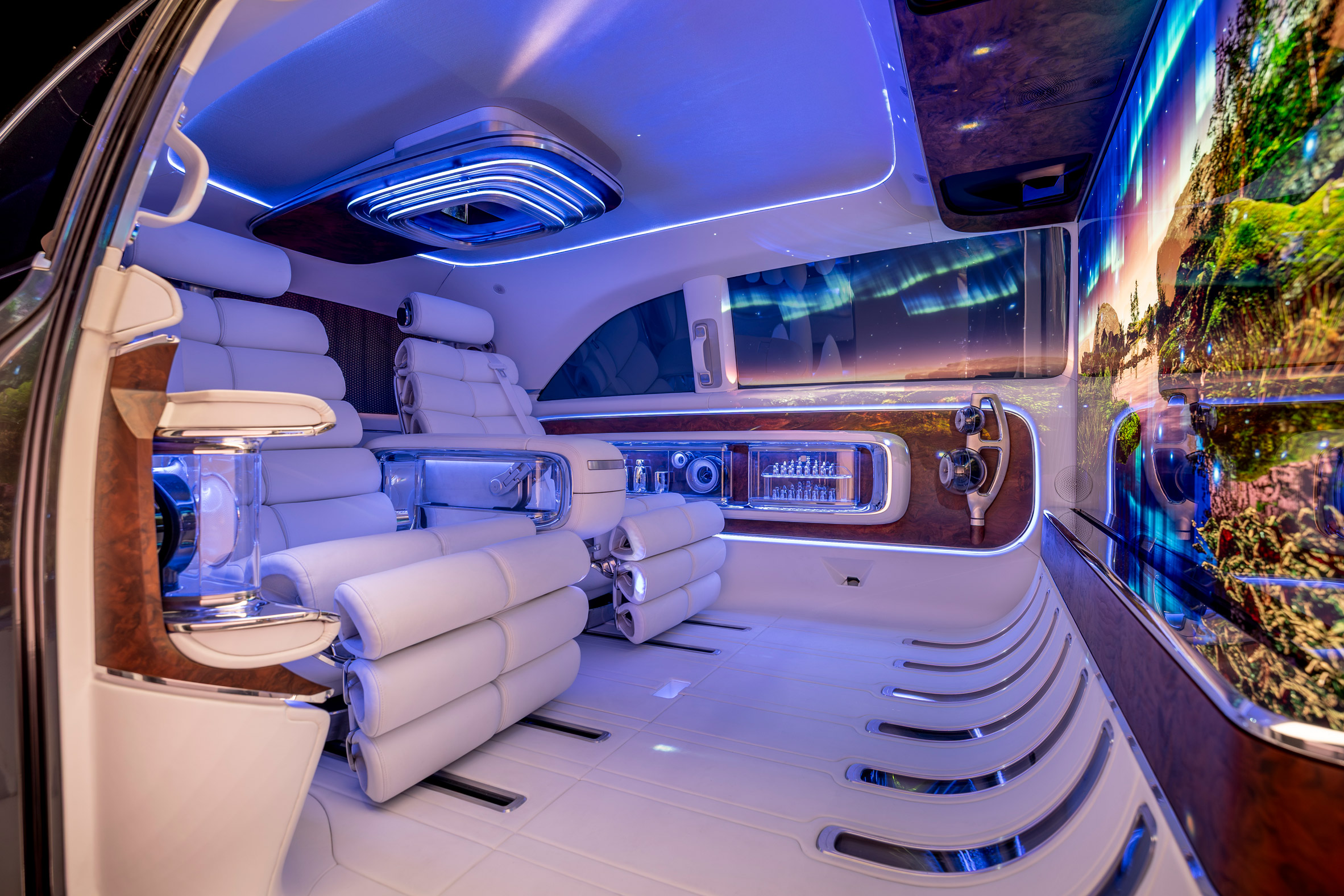

Hassan Al-Mansouri Captures the interior of the Mercedes-Benz Vision V concept van. in Dubai, June 16, 2026
Luxury car collecting is evolving from a niche hobby into a significant investment market as wealthy buyers compete for rare and historic vehicles. Classic Mercedes-Benz models are among the most sought-after automobiles, with collectors drawn by their rarity, craftsmanship, and historical significance.
The rising demand has transformed private collections into attractions that generate interest far beyond the automotive community. Enthusiasts, investors, museums, and tourists increasingly visit exhibitions and collector events to view vehicles that are rarely seen outside private garages.
For collectors like Al-Mansouri, the appeal is not only financial.
Many owners see themselves as custodians of automotive history. Restoring and maintaining a rare Mercedes-Benz can require years of work, specialized expertise, and substantial financial investment. Preserving these vehicles ensures that important milestones in automotive engineering survive for future generations.
“These cars are more than investments. They represent engineering milestones, cultural heritage, and stories that deserve to be preserved for future generations.””
— Al-Mansouri
Supporters of the trend argue that collectors play a vital role in protecting historically significant vehicles. Without private investment, many rare automobiles might deteriorate or disappear entirely. Rising values also encourage owners to spend more on restoration and preservation.
Yet the boom has created growing tension.
Critics argue that soaring prices are turning historic vehicles into financial assets rather than cultural treasures. As values increase, ownership becomes increasingly limited to the ultra-wealthy, making many iconic cars inaccessible to ordinary enthusiasts. Some historians question whether historically important automobiles should remain hidden in private collections instead of being displayed to the public.
Collectors face challenges as well.
The value of a collection often brings higher insurance costs, increased security requirements and expensive maintenance obligations. Climate-controlled storage, specialized technicians and replacement parts add significant costs that continue long after a vehicle is purchased.
Despite those concerns, demand shows little sign of slowing. The number of affluent buyers entering the collector-car market continues to grow while the supply of rare historic vehicles remains limited. That imbalance has helped sustain rising values, particularly for iconic Mercedes-Benz models with unique histories and limited production numbers.
Standing beside one of his favorite cars, Al-Mansouri focuses less on auction prices and more on the craftsmanship that first inspired his passion. For him, each vehicle tells a story that extends beyond its market value.
As luxury car collections continue to attract investors and visitors alike, the debate remains unresolved. Are these rare automobiles investments designed to generate wealth, or historical artifacts that deserve preservation for the public? The answer may determine the future of the global collector-car market.