Burkina Faso ends diplomatic relations with France, redrawing power in the Sahel
The diplomatic split reflects a wider shift in West Africa as former French allies seek new partnerships amid growing security and political tensions.

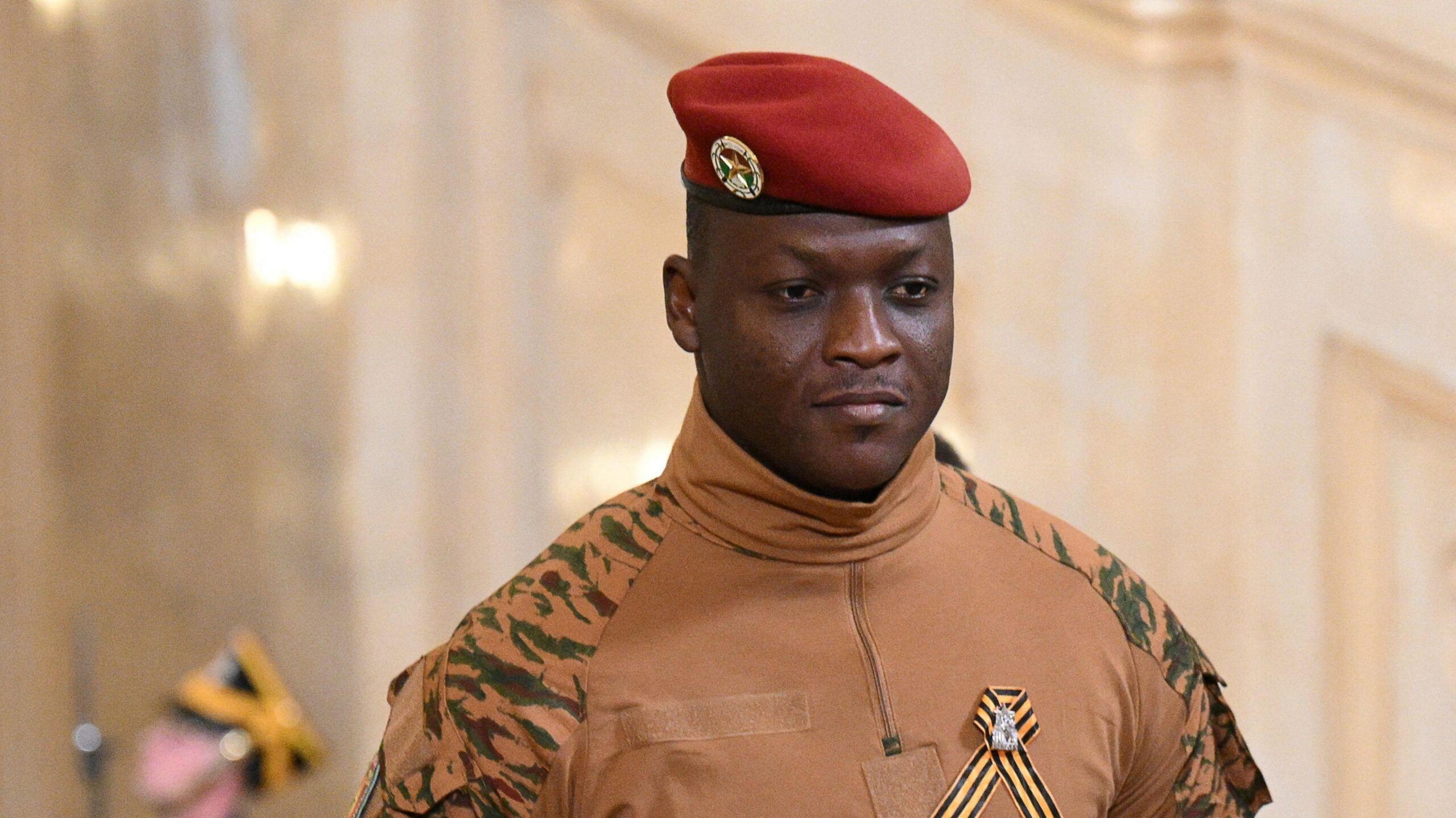
OUAGADOUGOU, BURKINA FASO — Captain Ibrahim Traoré, Burkina Faso’s transitional president, has led the country’s decision to sever diplomatic relations with France, marking a major geopolitical shift in the Sahel. Announced in Ouagadougou on June 26, 2026, the move ends decades of formal ties as Burkina Faso accuses France of undermining its sovereignty and security, allegations Paris firmly denies.
For Captain Ibrahim Traoré, the diplomatic rupture reflects his pledge to restore Burkina Faso’s independence from foreign influence. Since taking power in 2022, he has positioned himself as a leader determined to place national sovereignty at the center of government policy while confronting a persistent Islamist insurgency. His supporters view the decision as a reclaiming of Burkina Faso’s future, while critics fear it may leave the country more isolated internationally.
The dispute pits Burkina Faso’s military-led government against France over competing claims of sovereignty, security, and influence. Ouagadougou argues that France has interfered in the country’s affairs and failed to support its security needs, while France rejects the accusations and says it respects Burkina Faso’s sovereignty. At stake is not only the future of bilateral relations but also the balance of power across the Sahel, where several governments are redefining their international alliances.
Relations between Burkina Faso and France have steadily deteriorated since Traoré came to power in 2022. French troops were withdrawn, military cooperation was suspended, diplomats were expelled, and Burkina Faso strengthened ties with new international partners. The diplomatic break formalizes years of growing tension and reflects a broader regional trend of military-led governments distancing themselves from France.
“There's an immediate impact in the sense that to a large extent the Burkina Faso, the military and even militaries in Niger and Mali would then have to step up. These armies do not have the capacity, neither do they have any the competence or the capabilities to be able to deal with these problems. It doesn't mean that they cannot build such capacities. That is why it is really important to stress that the new security partnerships that are forming with Russia is just not going to address these problems," said Gilbert Gurma, Burkina Faso citizen.”
Attention now turns to how both countries will manage the diplomatic fallout. France is expected to announce its response while monitoring the status of its citizens and interests in Burkina Faso. Regional leaders and international partners will also be watching closely to see whether the rupture reshapes security cooperation, foreign investment, and political alliances across the Sahel.