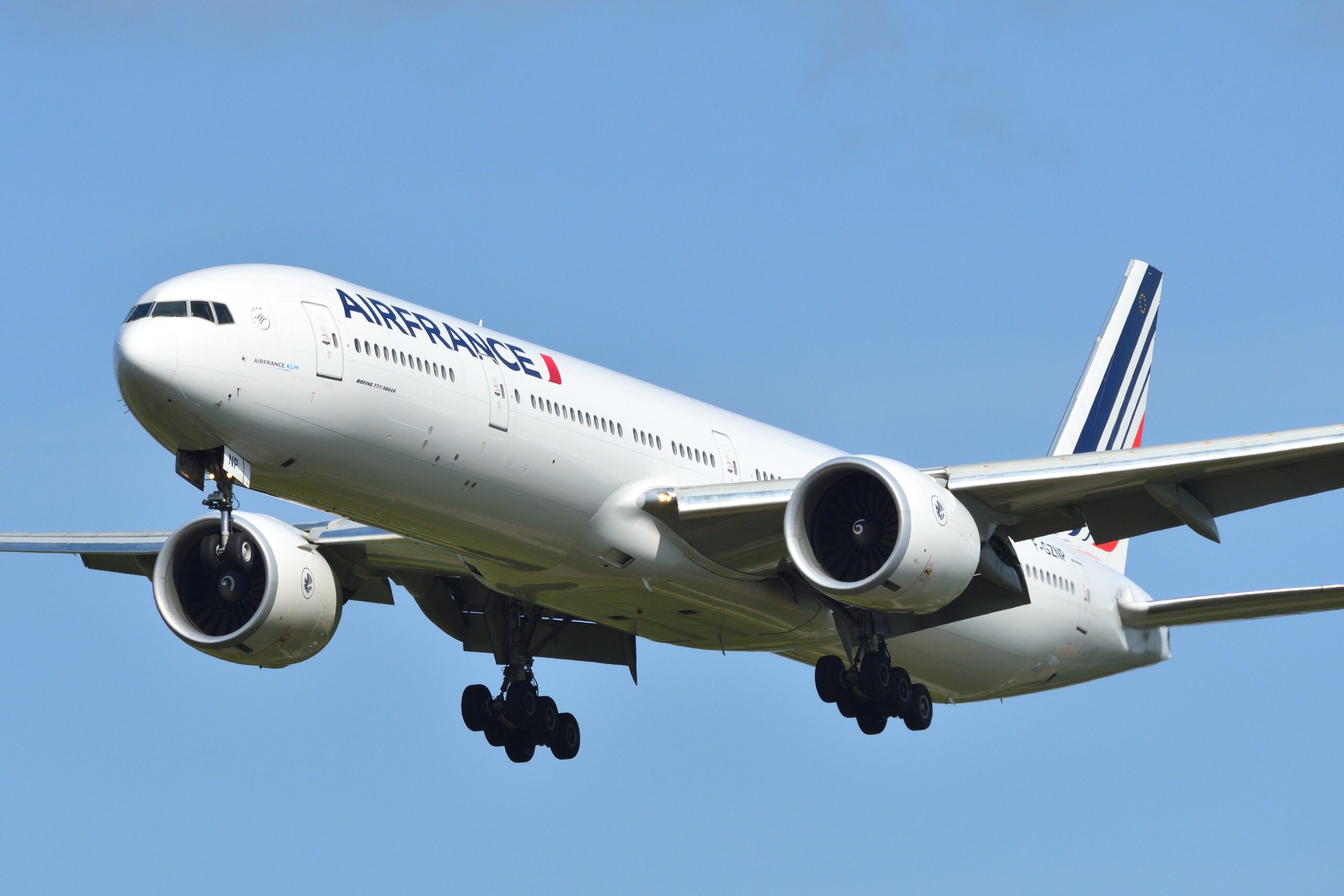
Independence Day activities disrupt Regan Runways Operations
The July 4th celebrations are projected to cause temporary airspace disruptions

WASHINGTON — For most travelers, Ronald Reagan Washington National Airport is defined by movement. Aircraft arrive and depart throughout the day, carrying thousands of passengers through the heart of the nation’s capital. This Independence Day, however, the airport will experience something unusual: silence.
As Washington prepares for large-scale July 4 celebrations, federal aviation officials have implemented temporary airspace restrictions that will significantly reduce flight operations at Reagan National. Military flyovers, security measures, and fireworks displays tied to the holiday will take priority, leaving one of America’s busiest airports noticeably quieter than normal.
The change is expected to affect hundreds of flights and thousands of travelers. Some passengers have already adjusted their schedules, while airlines have revised operations to accommodate the temporary restrictions. What is typically a peak summer travel period will instead become a carefully managed pause in air traffic.
Unlike disruptions caused by severe weather or technical problems, this slowdown is planned months in advance. Authorities coordinate closely with airport officials, security agencies, and event organizers to ensure that Independence Day activities can proceed safely. The restrictions are designed to create a secure airspace for military aircraft participating in ceremonies and aerial demonstrations above the capital.
For travelers, the impact may be frustrating, but aviation officials stress that safety remains the top priority. Chris Rocheleau, Deputy Administrator of the Federal Aviation Administration, has emphasized the importance of balancing public celebrations with the safe movement of aircraft. Such measures help protect both those attending events on the ground and those traveling through the region.
“The temporary restrictions were implemented to ensure the safety of both the public and aviation operations. Large-scale Independence Day events include military flyovers, aerial demonstrations, and power displays that require protected airspace. Restricting flights allows these activities to take place safely while minimizing risks to aircraft, passengers, and spectators", said Chris Rocheleau, Deputy Administrator of the Federal Aviation Administration.”
The effects will extend beyond Washington because airlines operate interconnected networks; delays at Reagan National may influence schedules at airports across the country. Aircraft arriving from other cities, along with connecting passengers, could experience adjustments throughout the holiday period.
However, for locals, the quieter skies will provide a rare contrast to the airport’s usual activity. Instead of hearing a steady stream of departing jets, many will look upward to watch military flyovers and evening fireworks celebrating the nation’s 250th anniversary.
As the celebrations conclude and restrictions are lifted, aircraft will once again return to the runways. Travelers will continue their journeys, airlines will resume normal schedules, and the familiar sounds of aviation will fill the skies above Washington.
Until then, Reagan National’s temporary silence serves as a reminder that some events are significant enough to momentarily pause even the busiest transportation systems. On this Fourth of July, the focus shifts from departures and arrivals to a national celebration unfolding in the shadow of the nation’s landmarks.