Sterile Fly Supply in Jeopardy as Screwworm Poses Major Risk to Texas Ranchers
Critical Shortage Looms for Sterile Fly Program as Disease Rates Climb

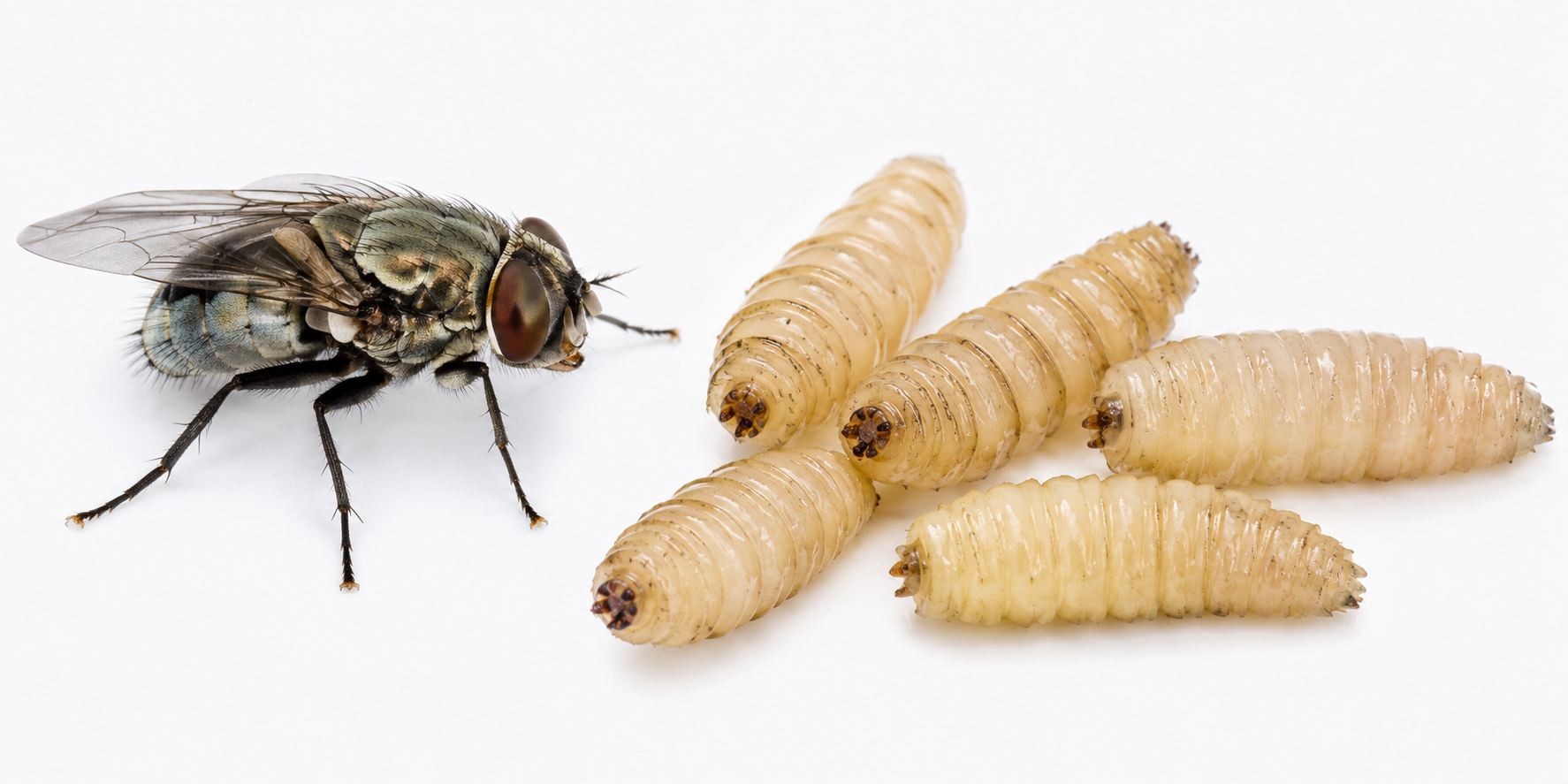
TEXAS CITY, TEXAS — The U.S. Department of Agriculture (USDA) is struggling with a possible shortage of sterile flies as it confronts an increasing New World screwworm threat in Texas, sparking fears that the flesh-eating parasite could spread across one of the country’s largest cattle-producing areas and cause considerable economic damage to the livestock industry.
For well over 160 years, the United States Department of Agriculture (USDA) has been working to protect America’s farms from devastating pests and diseases. Now the agency faces one of its biggest animal health challenges in decades as the New World screwworm returns to Texas. Now, with the threat of a sterile fly shortage mounting, the USDA’s main weapon against the flesh-eating parasite, pressure is mounting on the department to contain the outbreak before it spreads through the U.S. cattle industry. For ranchers whose livelihoods depend on healthy livestock, the USDA response could be the difference between quickly snuffing out the parasite and watching it bloom into a costly agricultural crisis.
At its core, the crisis is a race against time. At the other end is the New World screw worm, a flesh-eating parasite that can spread quickly through livestock, causing serious injuries, killing animals and costing pricey quarantines. On the other is the U.S. Department of Agriculture (USDA), which uses millions of sterile male flies to break the insect’s breeding cycle and stop an outbreak from getting out of hand. But with growing doubts about whether enough sterile flies can be produced and released, the agency’s ability to stay ahead of the parasite is being challenged.
“It's very serious. If one animal gets infected, it can spread fast if it is not caught early. That means more inspections, more treatment costs, and a lot more stress for ranchers." Said Janet walker, a third – generation rancher from Texas.”
The stakes are far higher than in government labs. Texas has one of the largest cattle industries in the United States, supporting the livelihoods of thousands of ranchers who rely on healthy herds to be successful. If containment efforts fail, producers could face devastating financial losses from sick animals, restrictions on movement, increased veterinary costs, and less access to markets.
A prolonged outbreak could also reverberate through the consumer food supply, driving up prices for beef and disrupting one of America’s most important agricultural sectors. The results of this battle will determine not only the fate of the outbreak but also the economic security of innumerable farming families and rural communities.
In 1966, the New World screw worm was eradicated in the U.S. after a decades-long campaign in which sterile male flies were released to prevent the parasite from reproducing. The pest had been limited to parts of Central America for years, and the USDA and international partners kept up surveillance to stop it from moving north. More recently the parasite has spread through parts of Mexico, causing new alarm among U.S. officials. The USDA has increased surveillance, quarantine, and sterile fly releases in response to confirmed cases in Texas in an effort to prevent thescrew wormm from re-establishing itself in the United States.
However, the significance of the screwworm outbreak should be viewed from the perspective of public policies. Indeed, the issue has a broad range of implications since the problem influences not only the ranching community but also consumers, taxpayers, and even the nation’s food security. In case the pest starts spreading, there will be less cattle and, thus, higher meat prices in the USA. Moreover, the government will have to invest more money in order to produce more sterile flies, control the borders, quarantine the livestock, and compensate for the losses of the farmers. At the same time, veterinary services and inspections might become under strain due to the redirection of resources.
The significance of the screwworm outbreak should be viewed from the perspective of public policies. Indeed, the issue has a broad range of implications since the problem influences not only the ranching community but also consumers, taxpayers, and even the nation’s food security. In case the pest starts spreading, there will be fewer cattle and, thus, higher meat prices in the USA. Moreover, the government will have to invest more money in order to produce more sterile flies, control the borders, quarantine the livestock, and compensate for the losses. At the same time, veterinary services and inspections might become under strain due to the redirection of resources.
Therefore, this issue raises several questions regarding accountability. Firstly, was the USDA prepared for this outbreak after years of screwworm eradication? Secondly, why is there a fear of a shortage of sterile flies, and can the situation be addressed? Finally, are there enough biosecurity and border surveillance efforts to stop the invasive pests? With all of that, it is reasonable to expect increased scrutiny of this situation on the part of lawmakers and taxpayers.
Federal and state officials will keep expanding surveillance, enforcing rules on moving livestock, and releasing sterile flies. They are monitoring for screwworm cases in Texas and nearby states. The USDA is checking if it can make sterile flies. This is important to stop the outbreak. In the coming weeks, lawmakers, ranchers, and industry leaders will watch to see if the USDA’s actions are enough to stop the screwworm from spreading. They will see if more money and emergency steps are needed to protect the U.S. cattle industry and the nation’s food supply. The cattle industry and food supply are at risk. Everyone is watching the USDA’s actions to stop the screwworm.