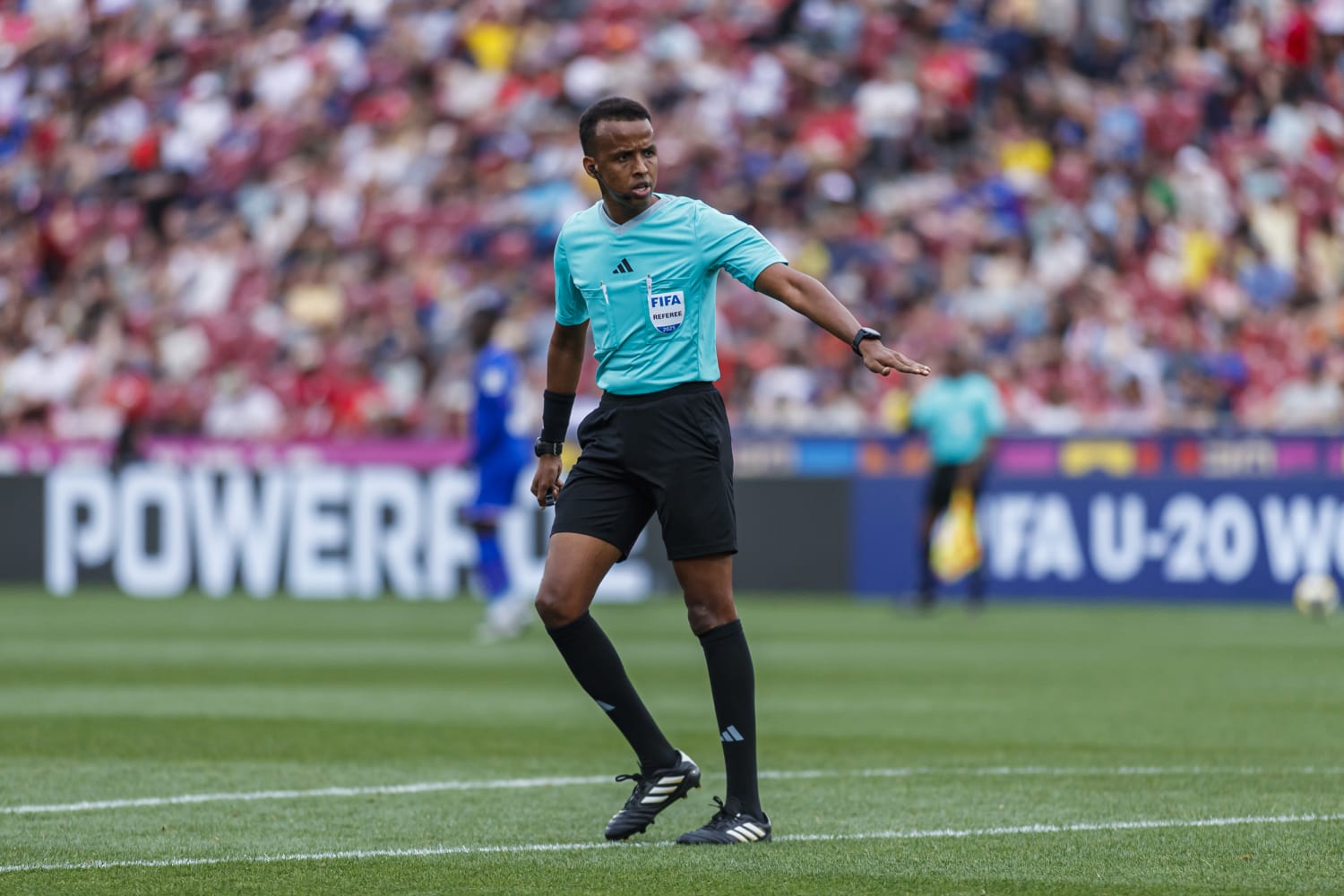
Somali Referee Misses World Cup Role After U.S. Entry Denial
FIFA-approved official Omar Artan faces immigration barriers despite preparations for football's biggest tournament.
MOGADISHU, SOMALIA — FIFA referee Omar Artan has been excluded from World Cup duties after U.S. entry restrictions prevented him from travelling for tournament-related assignments.
The decision has attracted attention across Somalia and the wider football community, where Artan is regarded as a symbol of sporting achievement and national pride.
His absence from one of football’s biggest events has reignited debate about how immigration policies can affect international sport and the opportunities available to qualified officials from countries facing travel restrictions.
Artan’s exclusion is linked to U.S. entry restrictions affecting Somali passport holders. Selected by FIFA for World Cup duties, he was unable to participate despite meeting professional requirements for the role.
The incident has drawn significant attention because Artan is one of Somalia’s most recognized sports figures and has represented the country internationally for years. His case comes amid broader discussions about border security, visa policies, and the challenges global sporting organizations face when participants encounter barriers to international travel.
For Artan, the exclusion is both professional and personal. Raised in Somalia during years of conflict, he built a respected career in football and became one of Africa’s leading referees. His achievements earned recognition from football authorities and the Somali government, which praised his efforts to promote peace through sport.
Despite reaching the highest levels of officiating, Artan was unable to take part in refereeing assignments for which he had been selected. The lack of a clear explanation has left him frustrated and searching for answers.
The dispute brings to light the clash between immigration policy and international sporting participation. U.S. authorities imposed travel restrictions on Somali nationals, while critics argue that such measures can unfairly affect individuals with strong professional records.
Supporters point to Artan’s accomplishments and reputation as evidence that he deserved the opportunity to serve.
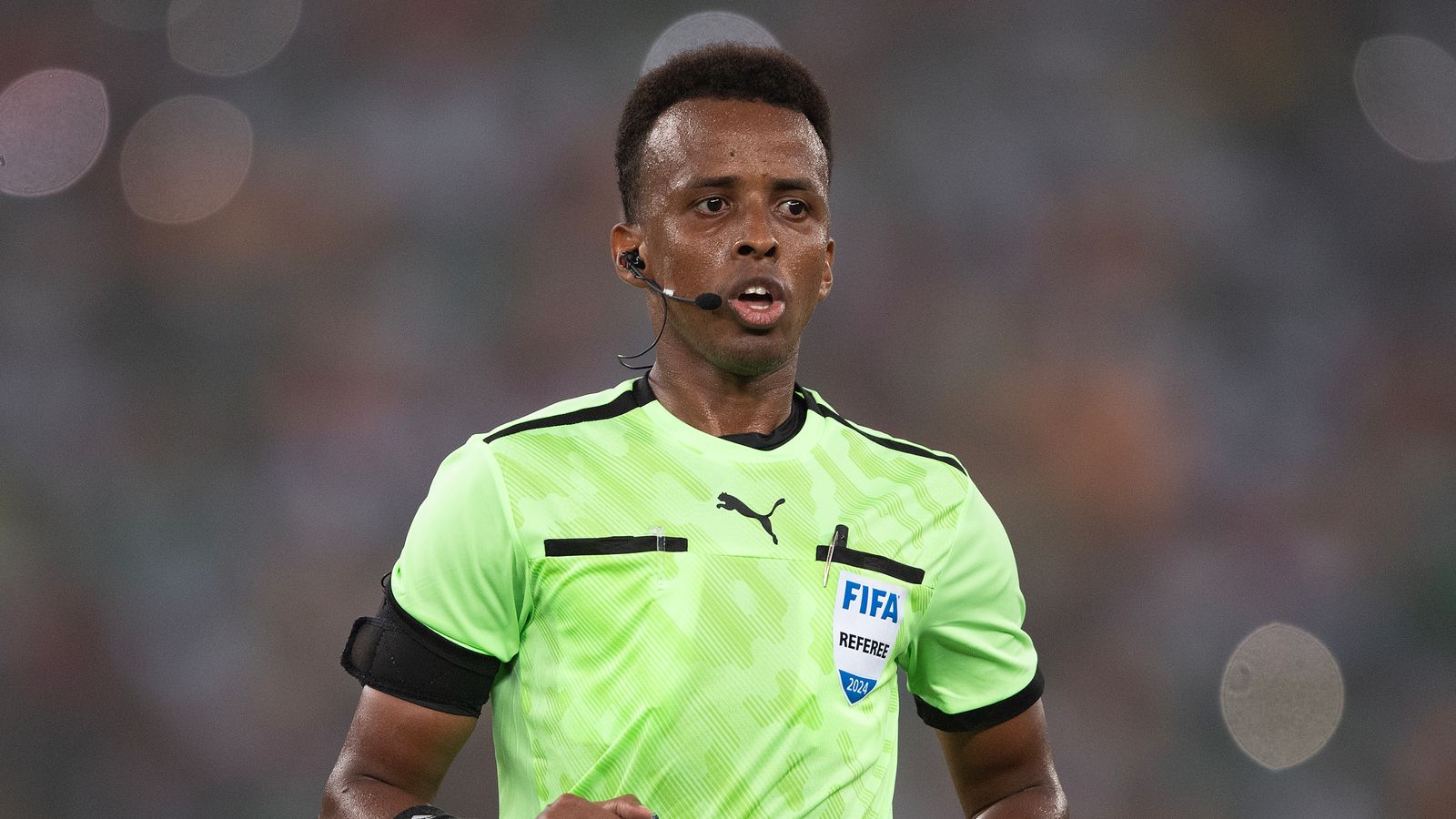

skysports-omar-artan-referee_7268690
The case raises broader concerns about fairness and inclusion, and about whether global sporting events can guarantee equal access for officials regardless of nationality. The controversy intensified when his FIFA selection failed to overcome the travel barriers.
Muhammad, who spoke about Artan’s situation, said the referee remains uncertain about why he was excluded. According to Muhammad, Artan has spent years building a reputation as an award-winning official and ambassador for peace through football.
He said no direct explanation has been provided and that the only known factor is the travel restrictions affecting Somali passport holders. His account reflects the disappointment felt by supporters who believe Artan’s achievements should have allowed him to participate in the tournament.
The matter remains unresolved, with no detailed public explanation provided for Artan’s exclusion. Supporters continue to call for greater transparency, while the case raises questions about how future international sporting events will address similar situations.
For many observers, the controversy extends beyond football, highlighting the impact government policies can have on individual careers and international representation.