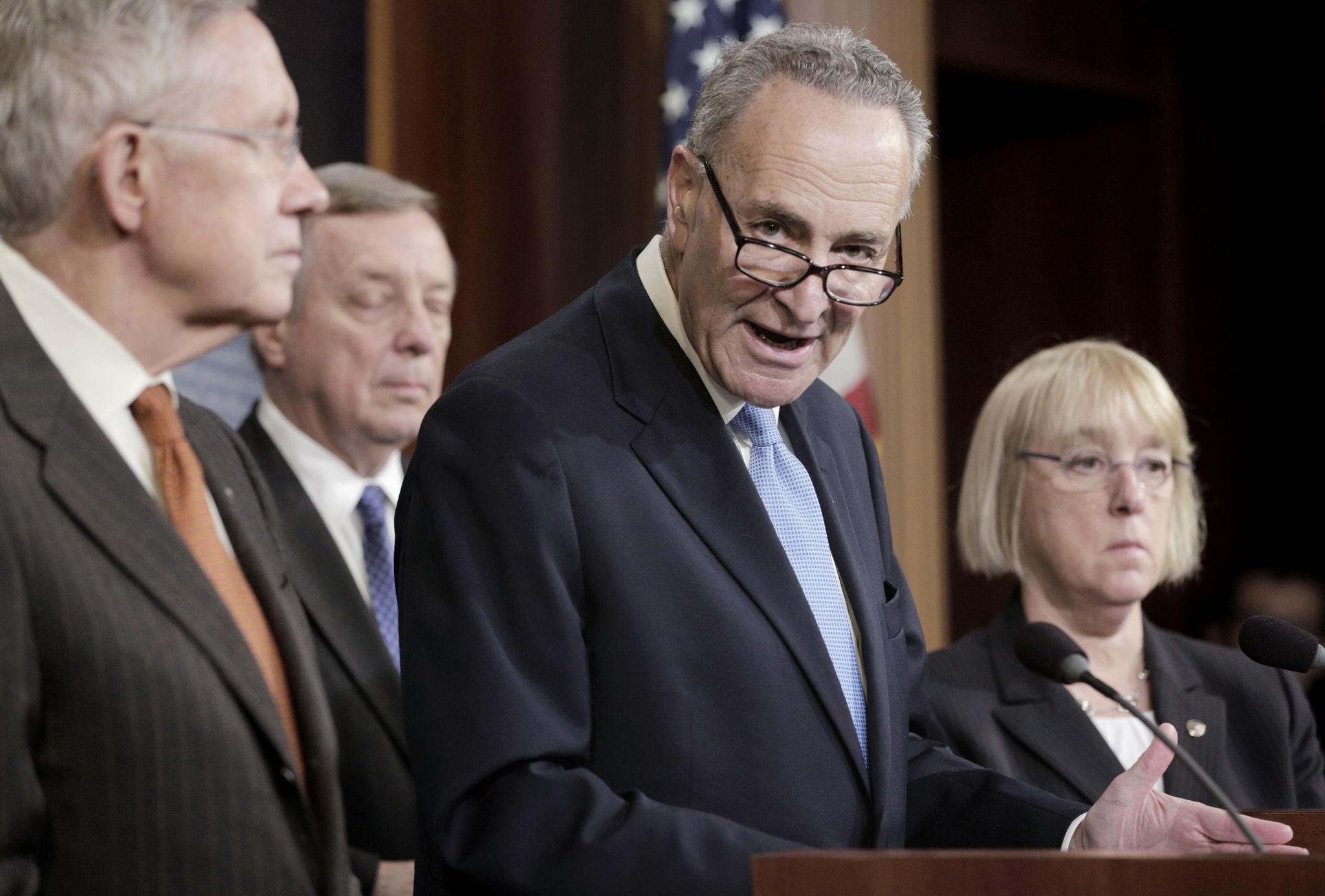
Senate Moves Forward On Immigration Bill As Democrats Target Trump’s Influence
Legislative push highlights deepening political divide ahead of key elections.
Legislative push highlights deepening political divide ahead of key elections.

Legislative push highlights deepening political divide ahead of key elections.
NAIROBI, KENYA — The U.S. Senate has taken a significant step toward passing a major immigration enforcement bill, advancing legislation that is expected to spark intense political debate in the coming weeks.
The proposed measure focuses on increasing funding and resources for immigration authorities, including expanded support for enforcement operations and border security efforts. Supporters argue that the bill is necessary to strengthen the country’s ability to manage migration and uphold existing laws.
However, the legislation has quickly become a political flashpoint. Democrats are using the debate to draw attention to President Donald Trump’s continued influence over Republican policy positions, framing the bill as closely aligned with his hardline approach to immigration.
Party leaders on the Democratic side have signaled that they intend to make the issue a central part of their broader political strategy, portraying Republican backing of the measure as evidence of loyalty to Trump rather than an independent policy stance.
Republicans, meanwhile, have largely defended the bill, emphasizing the need for stronger enforcement and national security. Many within the party argue that the proposal responds to ongoing concerns about border management and reflects priorities shared by a significant portion of the electorate.
The Senate’s move to advance the legislation sets the stage for further debate and potential amendments, with lawmakers expected to clash over both the bill’s substance and its political implications.
“"You have to start with enforcement. Without strong borders, nothing else works. Once you have control, then you can talk about other reforms. But right now, securing the country has to be the priority," president Trump commented on a live interview.”
As discussions continue, the measure is likely to remain at the center of a wider struggle over immigration policy, party identity, and Trump’s role in shaping the Republican agenda heading into future elections.