West Coast Drivers Hit Hardest As U.S. Gas Price Gap Widens
Experts blame refinery issues, taxes and oil volatility for rising fuel costs nationwide.
Experts blame refinery issues, taxes and oil volatility for rising fuel costs nationwide.
CALIFORNIA CITY, CALIFORNIA — Drivers in West Coast states are paying significantly more at the pump than in much of the country, widening a fuel-price gap across the United States as refinery shortages, higher state taxes, and oil market volatility keep gasoline prices well above the national average while lower-cost states continue to see comparatively cheaper fuel.
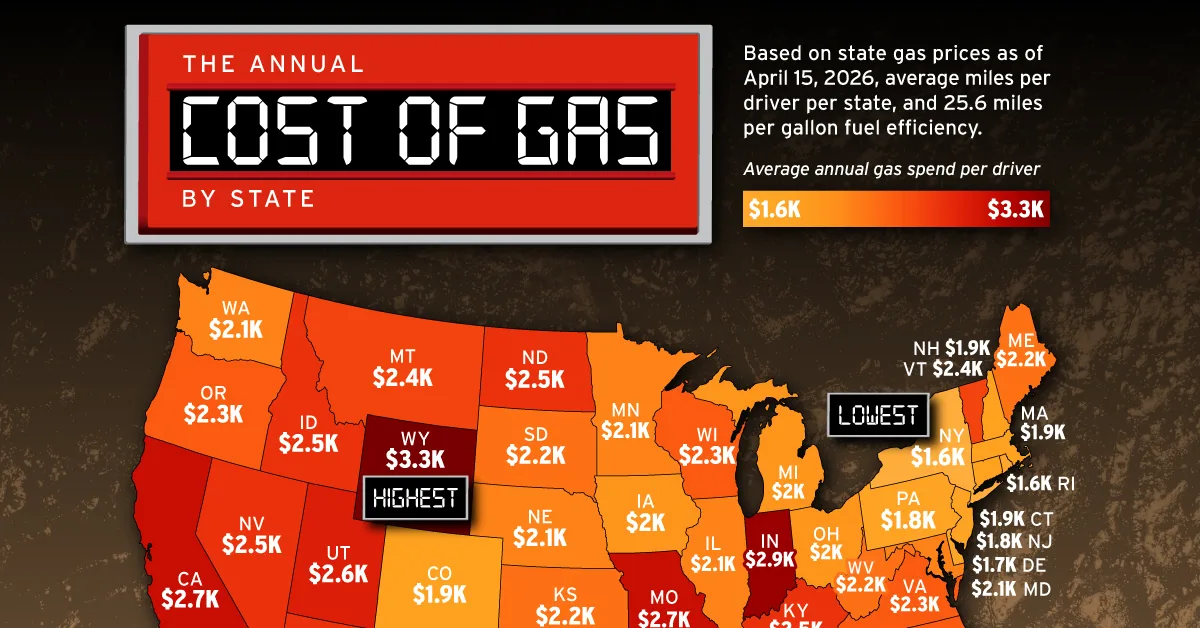
AAA fuel tracking data shows the national average price for regular gasoline at about $4.56 per gallon, but drivers in high-cost states continue paying substantially more, highlighting a widening regional gap in fuel costs across the country. AAA data and energy market reporting show West Coast states consistently among the most expensive because of refinery limitations, transportation costs, state fuel taxes, and exposure to global oil market swings.

The-Cost-of-Gas-by-State
California has remained one of the nation’s costliest fuel markets, with state energy analysis showing refining and distribution costs running above national levels while regional supply constraints place added pressure on prices. Research on refinery capacity has also found that refinery outages and supply reductions could have an outsized impact on West Coast fuel markets compared with other regions.
Additional market volatility has added pressure nationwide. Analysts point to crude oil price swings, refinery outages, and broader global supply disruptions as major drivers affecting pump prices, while lower-cost Gulf Coast states generally benefit from closer proximity to major refining infrastructure.
Drivers paying higher fuel prices are pushing back against costs that strain household budgets and make everyday commuting more expensive, especially in states where gasoline prices remain far above the national average. At the same time, experts continue debating the main cause of the imbalance. Some analysts point to state fuel taxes and environmental fuel requirements, while others argue that refinery shortages and global oil market volatility play a larger role in driving regional price spikes.
The disagreement creates tension among consumers seeking relief at the pump, policymakers balancing environmental and infrastructure priorities, and energy market analysts tracking supply disruptions that could quickly push prices higher. Lower-cost fuel states benefit from stronger refinery access and lower tax burdens, while drivers in higher-cost regions continue absorbing the impact of supply constraints and market instability.
The conflict remains unresolved, with analysts continuing to debate whether refinery limitations, fuel policies, or global oil markets carry the greatest responsibility for higher costs. As refinery operations and seasonal fuel demand change in the coming months, drivers will be watching whether regional price gaps narrow or continue widening.
Patrick De Haan spends his work tracking the forces shaping fuel prices across the United States, watching refinery disruptions, oil market swings, and regional supply constraints that can quickly change what drivers pay at the pump. As Gas Buddy’s head petroleum analyst, his daily work centers on explaining why motorists in some parts of the country, especially the West Coast, often face significantly higher fuel costs than drivers elsewhere.
Through market analysis and consumer fuel tracking, De Haan has become a leading voice helping Americans understand why gasoline prices rise unevenly across states. His work places him at the center of a growing national concern as refinery shortages, taxes, and oil volatility continue to widen the gap between high and low cost fuel markets.
As an expert tracking fuel markets nationwide, De Haan studies refinery disruptions, oil market shifts, and regional supply conditions that shape gasoline costs across the United States. His work puts him close to a growing divide in fuel prices, where West Coast states continue to pay substantially more than many other parts of the country as refinery shortages, taxes, and market volatility push prices upward.